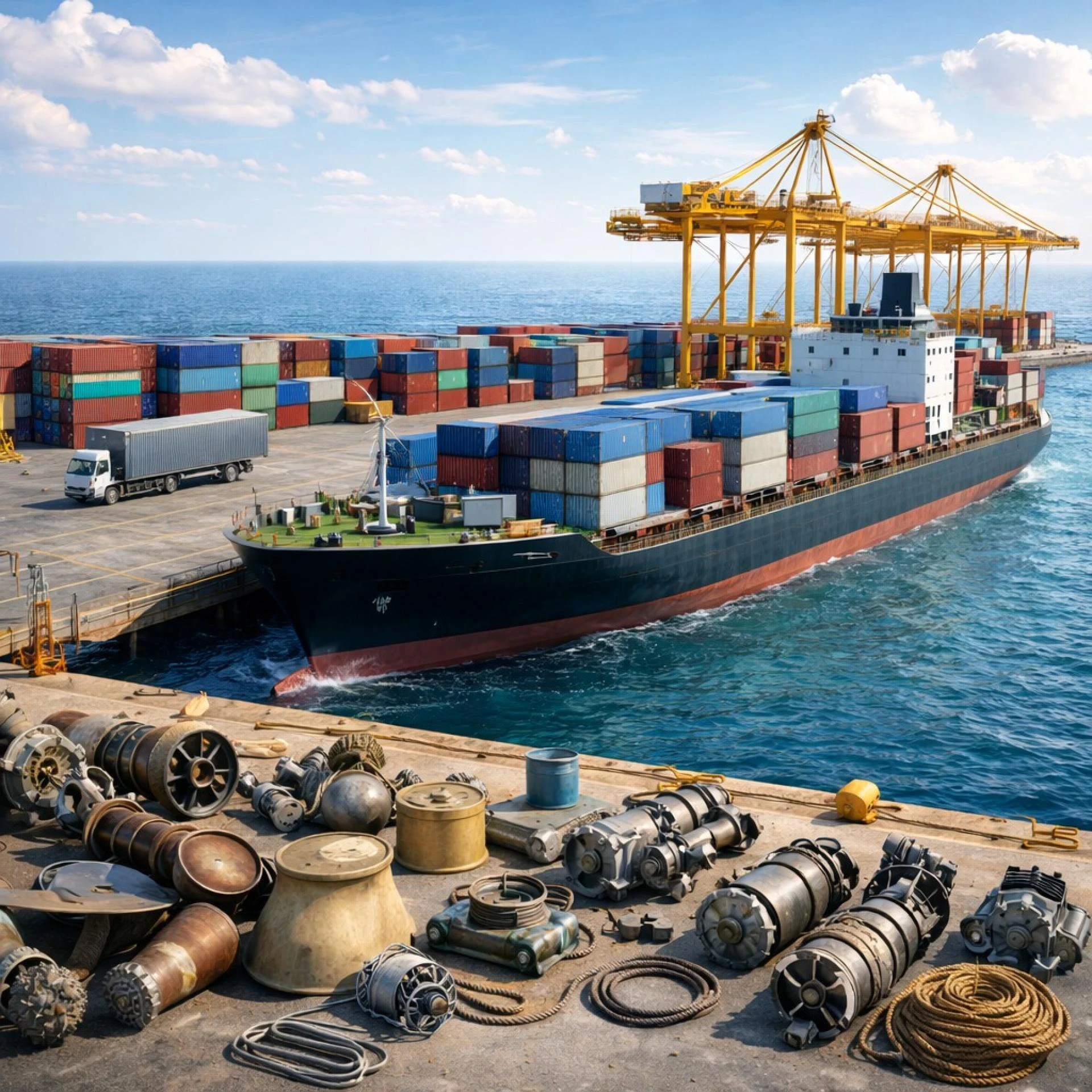

The marine industry is very important for global trade. Most goods in the world travel by sea. Food, fuel, clothes, machines, and many other things reach different countries by ships. Because of this, the marine industry also affects the environment. Today, sustainability is not just a trend. It is a real need. Ship owners, operators, and suppliers are now trying to work in a cleaner and safer way.
Why Sustainability Is Important
Shipping helps countries grow and connect with each other. But it also creates pollution. Ships release gases that harm the air and increase global warming. Oil spills and waste can damage the sea and kill marine life.
People are now more aware of these problems. Customers and governments want cleaner shipping. Sustainability also helps companies save money and build a good image. So, it is good for both the environment and business.
Cleaner Fuels
One big change in the marine industry is the use of cleaner fuels. Many ships now use low sulfur fuel to reduce pollution. Some companies are also trying LNG, methanol, and biofuels. These fuels produce less harmful gases.
There is also interest in electric and hybrid ships. These ships are useful for short routes. In the future, hydrogen and ammonia may also be used. But this will take time and investment.
Energy Saving on Ships
Saving energy is one of the easiest ways to reduce pollution. Modern ships are designed to use less fuel. Better hull shapes help ships move smoothly in water.
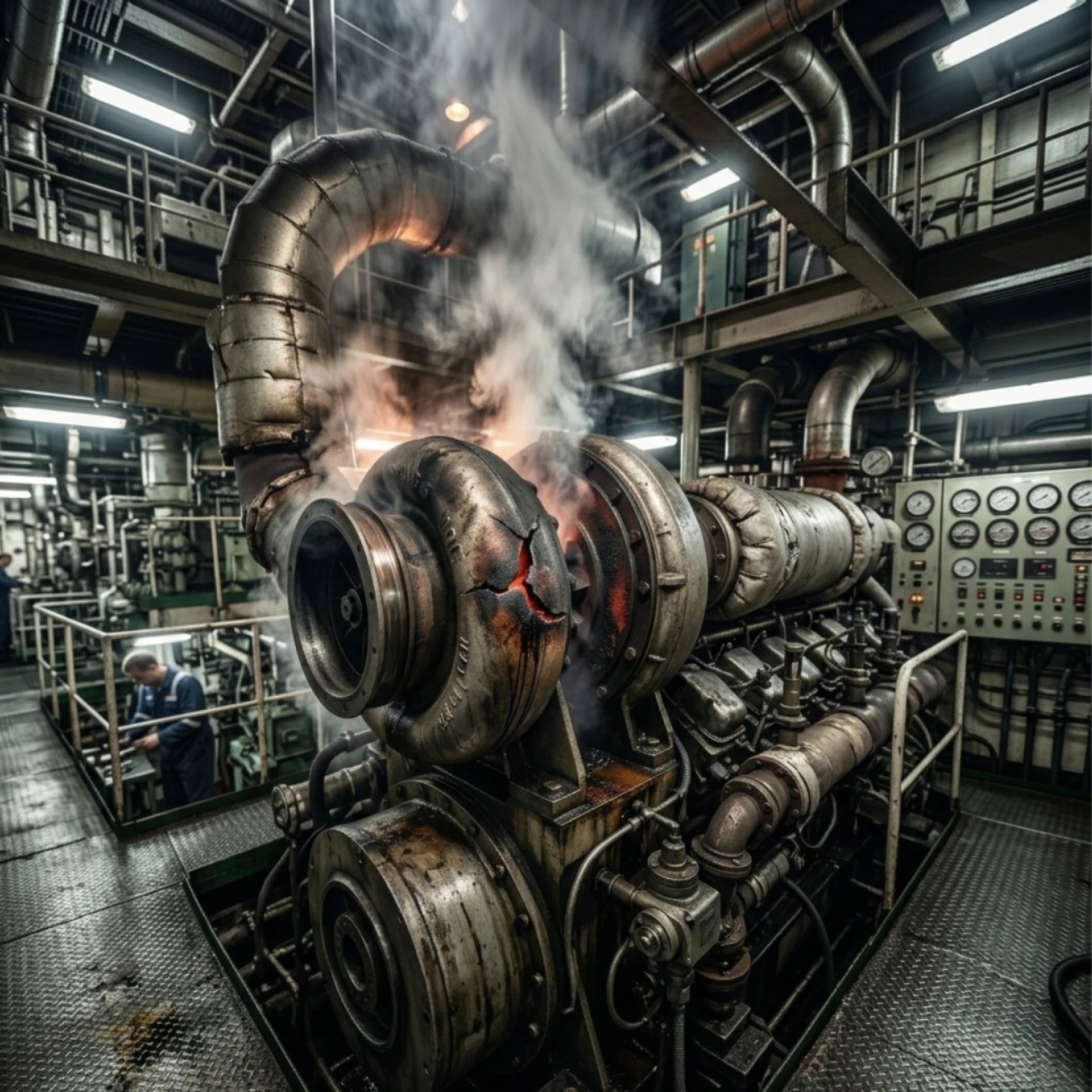
Simple steps also help. Regular maintenance, clean hulls, and good propellers improve fuel use. When machines work properly, ships burn less fuel. Digital tools also help crews monitor fuel and plan better routes.
Waste Management
Ships produce different types of waste such as plastic, food, oil, and chemicals. If this waste goes into the sea, it can harm the environment.
Today, most ships follow strict waste rules. Waste is separated and given to port facilities. Recycling is also becoming common. Metals and machinery are reused instead of thrown away.
Ship recycling is also important. Old ships should be broken in a safe way. This protects workers and prevents pollution.
Refurbished Marine Spare Parts
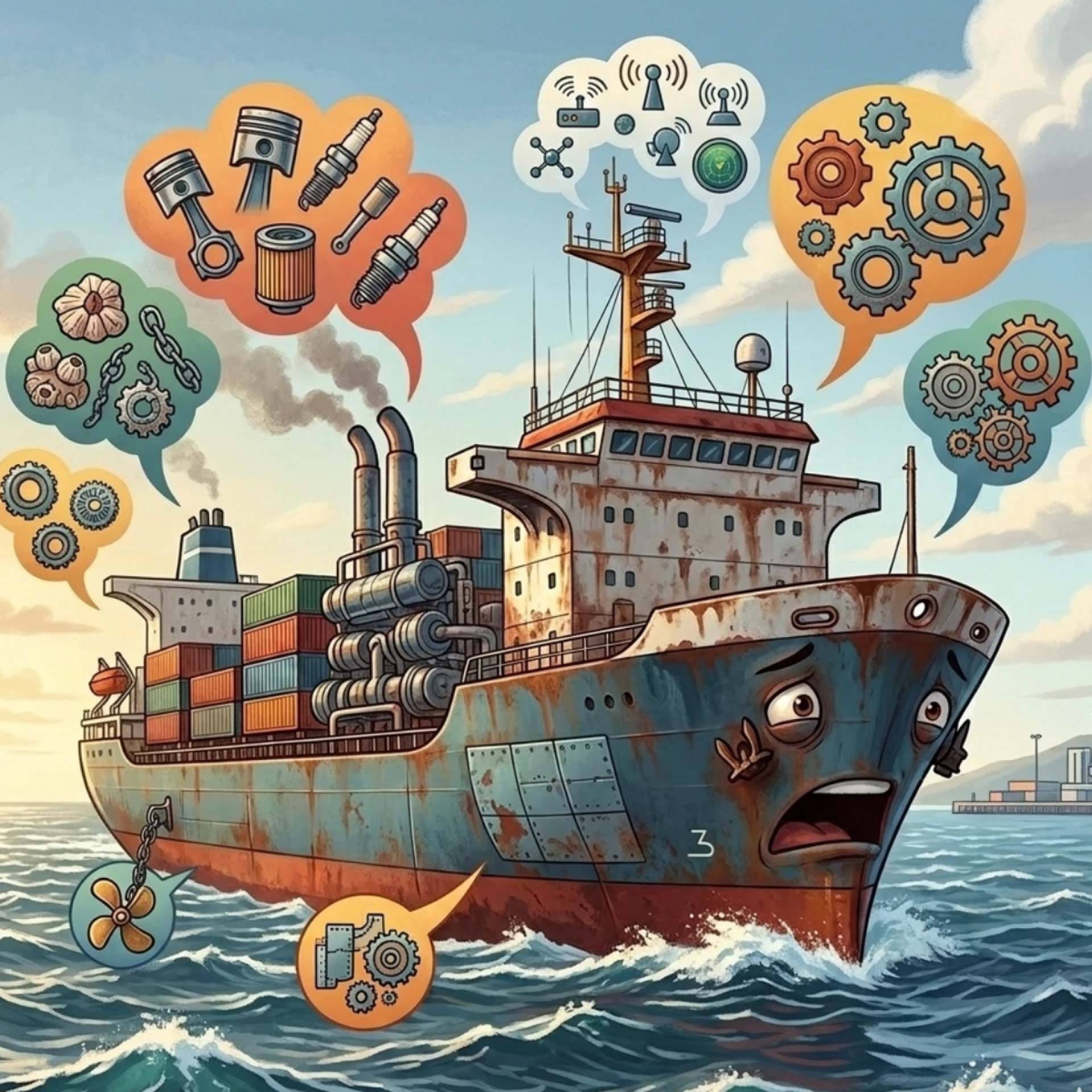
Sustainability is not only about new technology. It is also about using old parts in a smart way. Many spare parts from old ships are still in good condition. These parts can be checked, repaired, and reused.
This reduces waste and saves natural resources. It also helps ship owners save money. Refurbished parts are often available quickly, which reduces waiting time.
Today, many companies focus on extending the life of machines instead of always buying new ones.
Digital Technology
Technology is helping the marine industry become more sustainable. Digital tools help ships plan better routes and reduce fuel use. They also help find problems early and avoid breakdowns.
Smart ports reduce waiting time. This saves fuel and lowers pollution. Data and automation improve safety and efficiency.
Challenges
Even with progress, there are still challenges. New technology is expensive. Small companies may not be able to invest easily. There is also confusion about which fuel will be best in the future.
Infrastructure is another problem. Alternative fuels need storage and supply. Without global support, change will be slow.
Crew training is also needed. Workers must learn new skills to handle modern systems.
Regulations and Cooperation
Governments and global organizations are setting rules to reduce pollution. These rules help the industry move in the right direction.
Cooperation is also important. Ship owners, suppliers, ports, and authorities must work together. Sustainability is a shared responsibility.
The Future
The future of the marine industry will focus on balance. The goal is to transport goods while protecting the environment. Cleaner fuels, efficient ships, recycling, and technology will play a big role.
Customers are already asking for greener transport. Companies that change early will gain trust and business.
Conclusion
Sustainability in the marine industry is a long journey. Every small step matters. Cleaner fuels, energy saving, recycling, and refurbished spare parts are helping the industry move forward.
With better technology, awareness, and teamwork, the marine industry can grow in a responsible way. Protecting the oceans is important for the future of trade and the next generation.
As the marine industry continues to move toward a more sustainable future, every decision—from fuel choices to equipment maintenance—plays an important role. Using high-quality refurbished spare parts, maintaining machinery properly, and supporting responsible recycling can significantly reduce waste and extend the life of marine equipment. Companies like Labdhi Marine are contributing to this effort by supplying reliable marine spare parts and helping ship operators keep their vessels running efficiently without unnecessary waste. By combining smart practices, better technology, and responsible sourcing, the marine industry can continue to support global trade while protecting the oceans for future generations


























Sign in to leave a comment.