

If ships could talk, they wouldn’t complain for no reason.
They’d talk only when they were already tired.
A ship doesn’t wake up one day and decide to break down. Long before alarms start flashing and engines shut down, it gives small, quiet signs — extra vibration, a strange sound, a slight rise in temperature. In the marine world, breakdowns are rarely sudden. They are ignored conversations.
So let’s imagine, just for a moment, that your ship could speak to you. What would it say?
“I’m Just Asking for Clean Fuel and Oil”
This would probably be the first thing your ship says.
Filters don’t look important. They’re small, inexpensive, and easy to forget. But to a ship, filters are life. Dirty fuel filters choke the engine. Blocked lube oil filters let metal particles circulate where they shouldn’t.
A ship wouldn’t ask for expensive upgrades here. It would say,
“I don’t need anything fancy. Just don’t make me run on dirty fuel.”
Changing filters on time is one of the simplest acts of care — and one of the most neglected.
“My Fuel Injectors Are Working Harder Than You Think”
Fuel injectors never get a break. They open and close thousands of times every minute, under extreme pressure and heat. Over time, they wear out. Spray patterns change. Combustion becomes uneven.
The ship feels it before you see it — slight power loss, more smoke, higher fuel consumption.
If it could talk, it might say quietly,
“I’m burning more fuel because I can’t burn it properly anymore.”
Replacing or overhauling injectors on time doesn’t just save fuel. It protects pistons, valves, and your peace of mind.
“I’m Trying to Tell You My Bearings Are Tired”
Bearings don’t fail suddenly. They warn you. They heat up. They vibrate. They whisper before they scream.
Main bearings and crankpin bearings carry enormous loads every second the engine runs. When they wear out, they put the entire engine at risk.
A ship would probably say,
“I’m running hotter than usual. Please listen before it gets worse.”
Ignoring bearing wear is one of the fastest ways to turn a manageable repair into a nightmare.
“I Can’t Breathe Properly Anymore”
That’s how a ship would describe worn exhaust valves.
Valves open and close in extreme temperatures, dealing with hot gases day after day. When they wear out, the engine loses compression, power drops, and fuel consumption rises.
The ship wouldn’t dramatize it.
It would just say, “Something feels off when I breathe.”
Replacing valves and seat rings on time keeps the engine healthy and balanced — and prevents serious top-end damage.
“I’m Overheating, and It’s Not My Fault”
A ship never overheats without a reason.
Cooling pumps wear out. Seals leak. Heat exchangers clog slowly, quietly. By the time alarms go off, the system has already been struggling for a while.
If ships could talk, they’d sound almost defensive:
“I’m not overheating because I’m weak. I’m overheating because something small was ignored.”
Timely replacement of cooling system components keeps temperatures stable and prevents damage that no engine forgives.
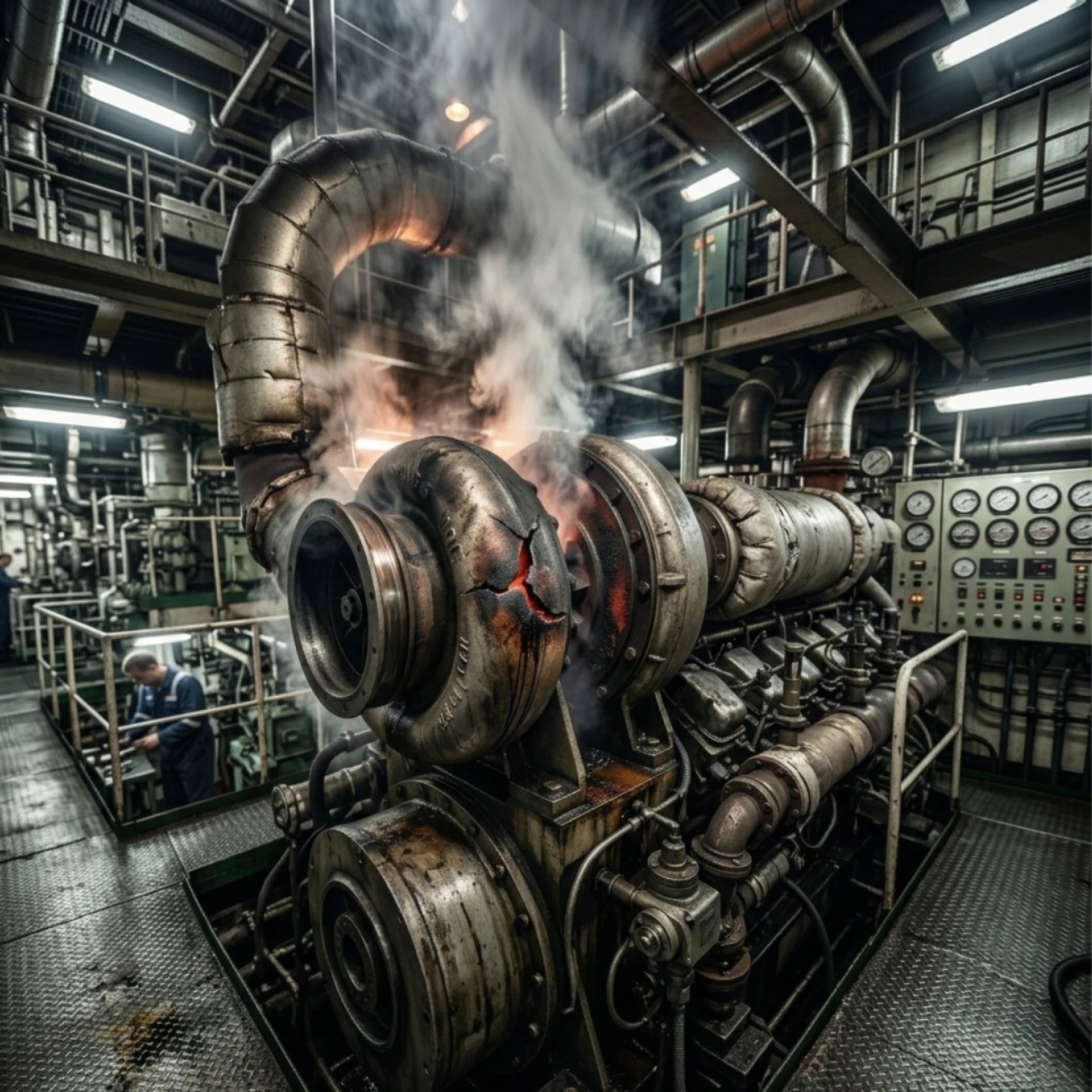
“You Love My Speed — Remember My Turbocharger”
Turbochargers help ships move faster, carry heavier loads, and burn fuel more efficiently. But they work brutally hard, spinning at incredible speeds.
When turbo bearings wear or blades get damaged, the engine suffers — black smoke, power loss, higher fuel consumption.
A ship might say, half-joking, half-serious:
“You enjoy my performance, but you forget the part that makes it possible.”
Looking after the turbocharger is looking after the heart of your vessel’s efficiency.
“My Pumps Never Stop Working”
Fuel pumps, lube oil pumps, freshwater pumps — they don’t rest. They quietly keep everything moving, circulating, flowing.
When pumps get weak, pressure drops. Systems suffer. Alarms follow.
If ships were honest, they’d say,
“Don’t wait for me to stop before you replace what keeps me alive.”
Pump overhauls done on time save you from emergency breakdowns and costly off-hire periods.
“Even Small Leaks Hurt”
Gaskets and seals don’t get attention until they fail. But a small leak today can become a major problem tomorrow — oil contamination, water ingress, loss of pressure.
A ship would gently remind you,
“It’s a small part. Please don’t wait for a big mess.”
Replacing seals and gaskets during routine maintenance is one of the smartest habits in marine operations.
What Ships Would Really Want You to Know
If ships could talk, they wouldn’t blame you.
They’d just want you to listen.
They’d tell you that most failures are predictable.
That small parts protect big systems.
That maintenance done on time costs far less than repairs done in panic.
Ships are strong. They’re built for rough seas and long journeys.
But even the strongest machines need care.
And if you listen closely — before alarms, before breakdowns — you’ll hear them asking for help.
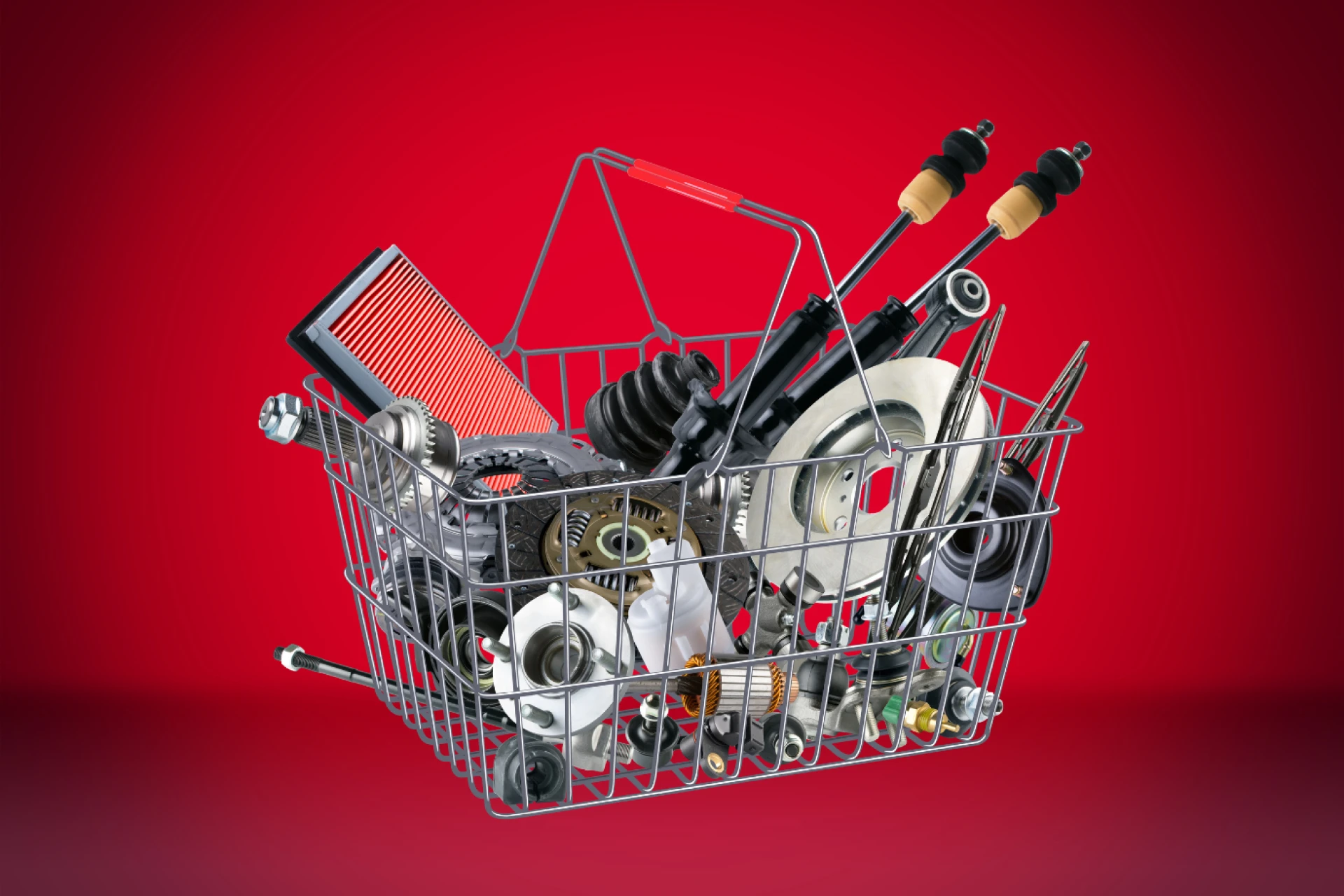
In the middle of all this listening and preventive care, having the right partner makes all the difference. At Labdhi Marine, the focus has always been on understanding what ships truly need — reliable spare parts, timely support, and solutions that prevent problems before they turn into breakdowns. Whether it’s filters, injectors, valves, pumps, or critical engine components, Labdhi Marine helps shipowners and engineers keep their vessels running smoothly, safely, and efficiently. Because when ships are taken care of on time, they don’t have to beg — they just keep sailing.






























Sign in to leave a comment.