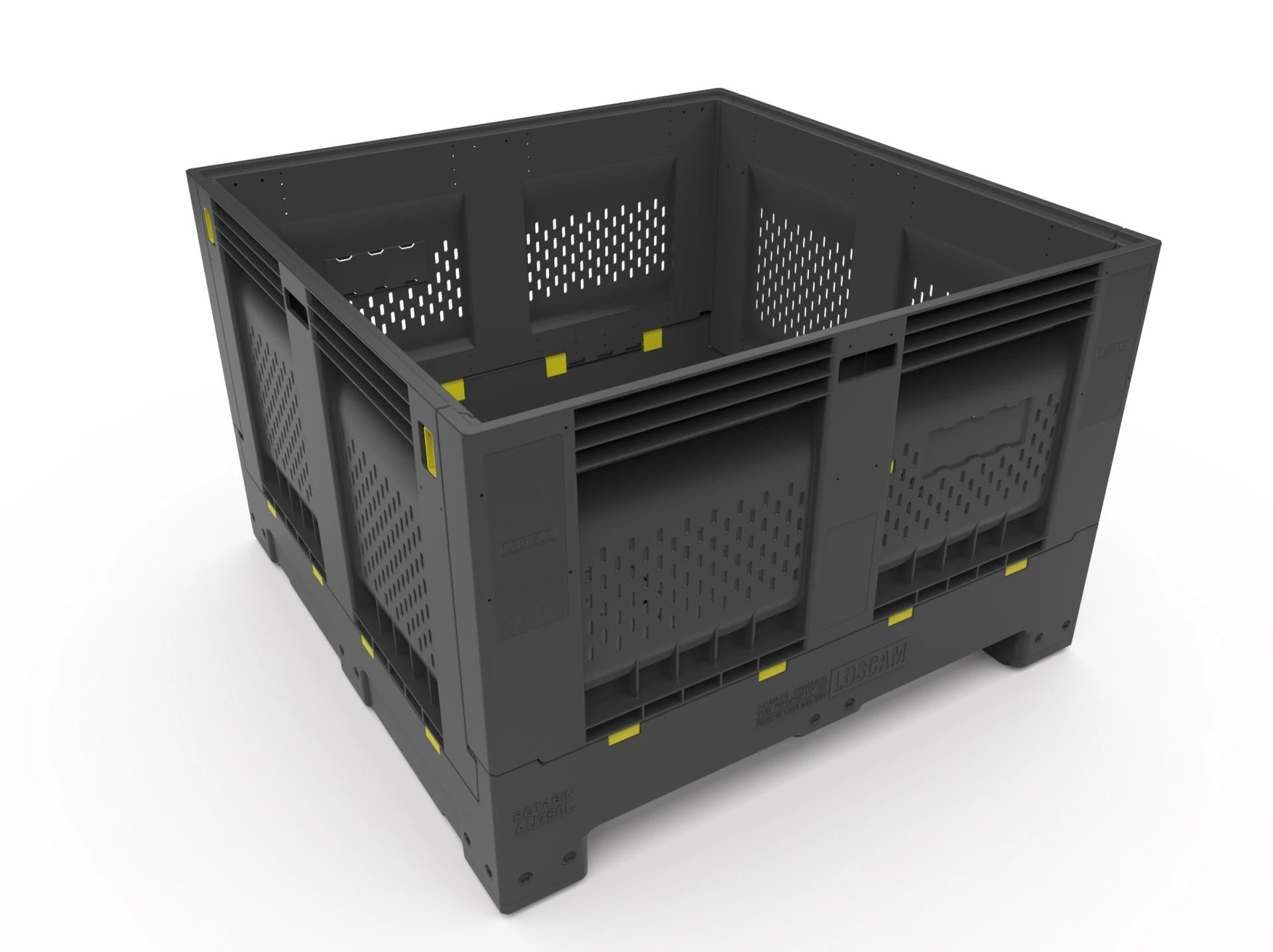

Sustainable packaging is becoming increasingly significant as industries attempt to decrease waste and the supply chain carbon footprint. Companies worldwide are turning to eco-friendly alternatives that reduce environmental impact while providing operational flexibility. Innovations have provided solutions like foldable bins and pallet crates that facilitate warehousing and delivery and encourage the effective use of materials. This approach highlights the importance of incorporating sustainability throughout the packaging process, including design and disposal, enabling resources to be managed responsibly and reducing overall waste substantially.
Innovative materials and designs
The advancement of packaging materials and design has changed the way goods are stored and shipped. Designers and engineers are searching for lightweight but strong materials and products that can be reconfigured or reused multiple times. For example, modern foldable bins are a result of design ingenuity that allows for better space saving without giving up strength, they have been reimagined for better stability and ease of assembly.
A shift is emerging towards using adaptable, modular solutions that accommodate changing consumer demands within a global market. This drive is being powered by innovations that enable sustainability by using fewer resources.
Environmental concerns and waste reduction
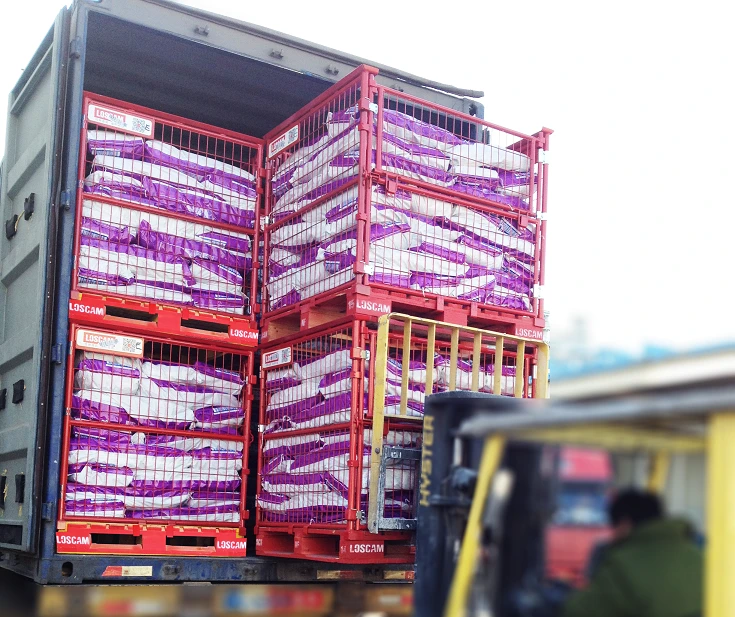
This shift is largely driven by its significant environmental advantages. Industries are taking meaningful steps to reduce overall waste generation by reducing single-use packaging and encouraging recyclability and reuse. Integrating foldable bins into systems minimises the need for bulky, disposable alternatives, whereas optimised pallet crates help streamline logistics, decreasing unnecessary trips and fuel consumption. The combination of design and functionality not only cuts the carbon footprint of packaging but also conserves natural resources and reduces landfill contributions, creating a win-win for businesses and the planet.
Sustainable practices result in long-term cost reductions as businesses shift away from using expensive, non-recyclable materials. Businesses that adopt these practices gain both market leadership and positive brand perception from environmentally conscious consumers who choose to support them. The movement toward sustainability represents an essential transformation that leads our society toward environmental responsibility and a brighter future.
Operational and logistical advantages
Efficient packaging systems help businesses better manage their inventory through improved tracking and handling capabilities. Companies can optimise product placement and achieve better facility organisation through modular packaging solutions. The streamlined order fulfilment process and reduced stock discrepancies minimise waste while eliminating the need for unnecessary restocking. The implementation of lightweight materials in packaging leads to reduced shipment weight, which results in lower fuel expenses and decreased environmental impact from transportation.
Businesses can leverage digital technology advancements to implement smart solutions with RFID tags, which enhance real-time tracking and reduce inventory losses. Integrating space-efficient methods with reduced handling requirements and lower transportation expenses creates operational efficiency and productivity gains. Companies investing in these innovations can successfully compete in markets that prioritise sustainability and cost-effectiveness while also driving profits and environmental progress.
Economics and cost savings
Beyond the economic gain, sustainable packaging enhances the supply chain’s resilience. With businesses adopting eco-friendly solutions like recyclable or biodegradable materials, dependency on traditional packaging that needs a lot of resources and produces a lot of garbage has decreased. The switch to sustainable alternatives lowers the environmental impact and offers financial savings.
Furthermore, eco-savvy companies are rewarded with a competitive advantage by gaining loyalty with environmentally conscious customers. Lowering carbon footprints and adopting circular economy principles mean organisations cut operational costs and improve profits, leading to long-term growth with a positive outcome for the environment.
Companies that practice sustainability can also establish strong connections with community and government, to help guarantee their long term stability. By investing in innovative green technologies that reduce waste and conserve scarce resources, they help fuel further economic development. Not only do these responsible actions improve brand reputation, but they catalyse industry wide changes towards better business practices, ultimately promoting a healthier planet and a more equitable global economy. It makes for transformative change across all sectors.
Future trends
The advancement of sustainable solutions will accelerate as industries focus more on environmental stewardship. Scientists are exploring next-generation materials alongside innovative designs to minimise waste production and energy usage. The future of greener packaging will combine smart sensors within packages to monitor conditions while using bio-based materials that break down naturally without creating harmful residue.
This will continue alongside digital innovations and improved recycling technologies. The packaging sector will experience substantial changes that combine economic growth with environmental protection as businesses and regulators understand the necessity of sustainable solutions.
The worldwide effort to achieve environmentally-friendly packaging demonstrates the collective dedication to waste reduction and carbon footprint minimisation across industries. Companies that adopt innovative solutions, such as foldable bins and pallet crates, achieve streamlined logistics operations and reduced costs while actively protecting the planet. The packaging industry’s evolution will lead to a sustainable future by integrating advanced design with operational efficiency and eco-conscious practices.































Sign in to leave a comment.