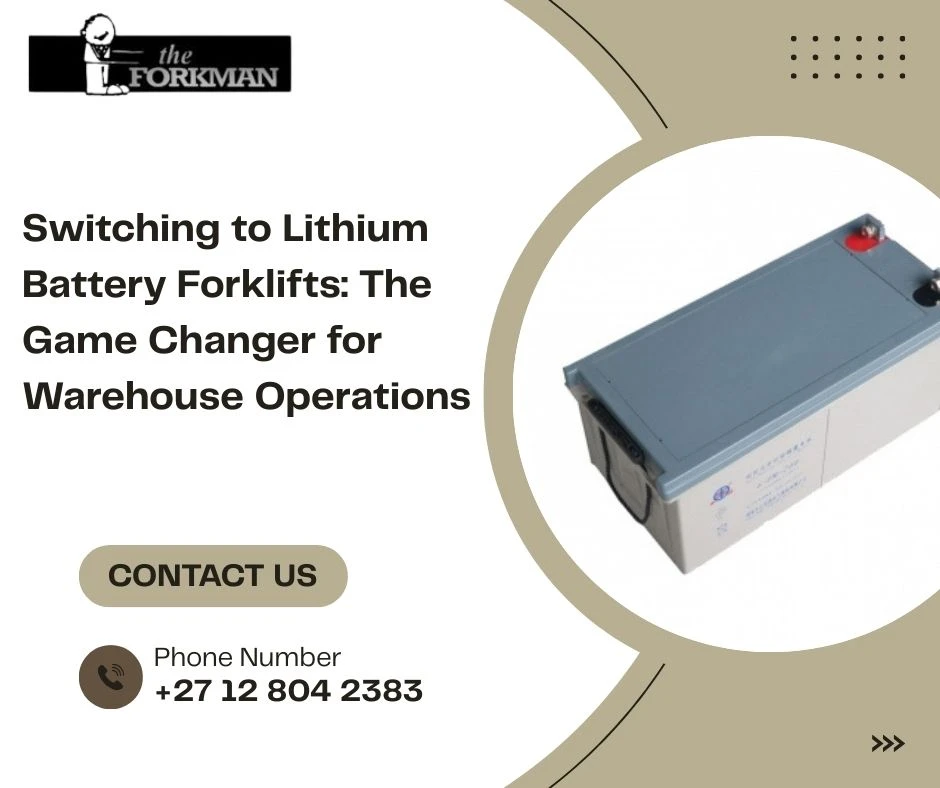

Warehouse operations in South Africa are evolving rapidly, with businesses looking for ways to improve efficiency and reduce costs. One of the biggest shifts in material handling equipment is the move towards lithium battery forklifts. These modern machines offer several advantages over traditional lead-acid battery forklifts, making them a true game changer for warehouse managers and operators. Adopting lithium battery forklifts can transform how warehouses operate, improving productivity, safety, and sustainability.
Understanding the Benefits of Lithium Battery Forklifts
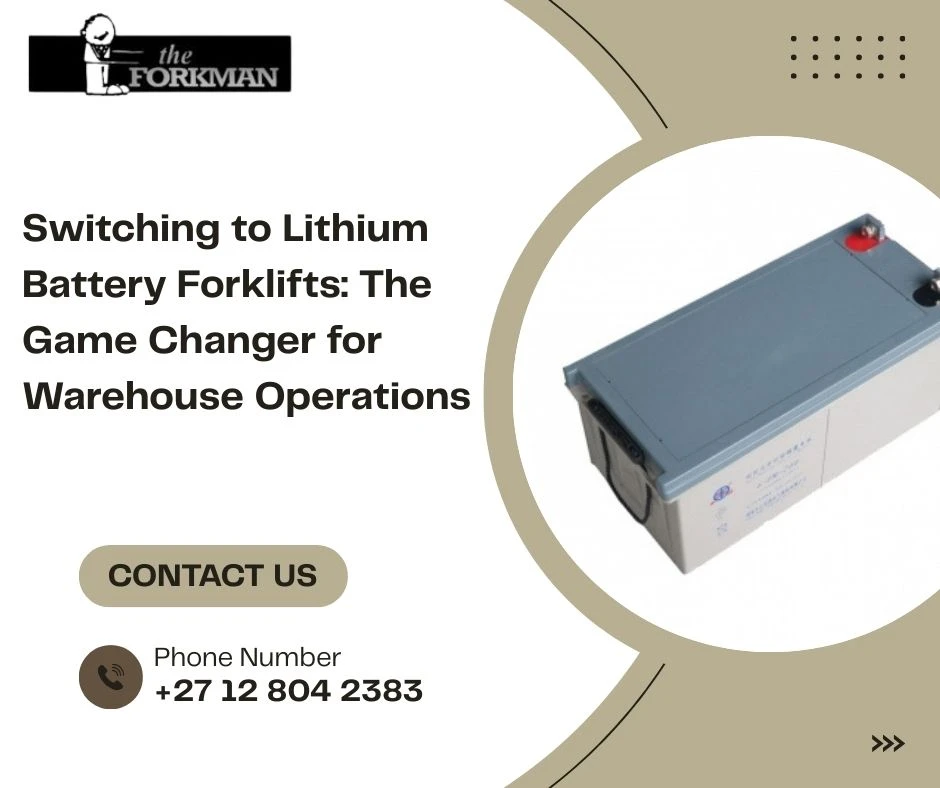
Lithium battery forklifts provide numerous benefits that make them appealing for South African warehouses. Compared to traditional lead-acid batteries, lithium batteries charge much faster and require less maintenance. This means less downtime for forklifts and more continuous operation throughout the workday. Additionally, lithium batteries last longer, which reduces the need for frequent replacements and lowers long-term costs. The lightweight design of lithium batteries also improves forklift performance, allowing for smoother and more efficient handling of goods. These advantages contribute to a more productive warehouse environment where operators can focus on their tasks without worrying about battery issues.
Improved Safety and Environmental Impact
Safety is a major concern in warehouse operations, and lithium battery forklifts offer improvements that support a safer work environment. Lithium batteries do not produce harmful gases during charging, unlike lead-acid batteries that require well-ventilated charging rooms. This reduces the risk of exposure to dangerous fumes for warehouse staff. Furthermore, lithium batteries have built-in safety features that protect against overheating and short circuits, minimizing fire hazards. From an environmental standpoint, lithium batteries are more eco-friendly. They have a longer lifespan and can be recycled more effectively, helping warehouses in South Africa reduce their carbon footprint and comply with environmental regulations.
Enhancing Operational Efficiency in South African Warehouses
One of the key reasons South African warehouses are switching to lithium battery forklifts is the boost in operational efficiency. The faster charging time allows forklifts to be charged during short breaks, eliminating the need for large battery swap systems or long charging periods. This flexibility helps warehouses maintain a steady workflow without interruptions. Additionally, lithium battery forklifts require less maintenance, freeing up resources that can be redirected to other important tasks. The increased uptime and reliability of these forklifts translate into faster order fulfillment and better overall warehouse performance. For warehouses competing in a fast-paced market, this efficiency can provide a critical competitive advantage.
Cost Savings and Long-Term Investment
While lithium battery forklifts may have a higher initial purchase price than traditional models, the long-term benefits make them a smart investment for South African warehouses. The reduced maintenance costs, longer battery life, and lower energy consumption contribute to significant savings over time. Lithium batteries are more energy-efficient, which means lower electricity bills for charging. Additionally, the durability and reliability of lithium forklifts reduce repair expenses and extend the overall lifespan of the equipment. When considering the total cost of ownership, many warehouses find that switching to lithium battery forklifts pays off by improving productivity and reducing downtime, making it a financially sound decision.
Conclusion
The shift to lithium battery forklifts marks a significant advancement for warehouse operations in South Africa. With benefits that include faster charging, improved safety, operational efficiency, and cost savings, these forklifts are quickly becoming the preferred choice for businesses looking to modernize their material handling equipment. For warehouses aiming to stay ahead in a competitive market, embracing this technology can lead to better performance and stronger sustainability. When you’re ready to make the switch and experience these advantages firsthand, trust The Forkman to provide expert advice and quality solutions tailored to your warehouse needs.




















Sign in to leave a comment.