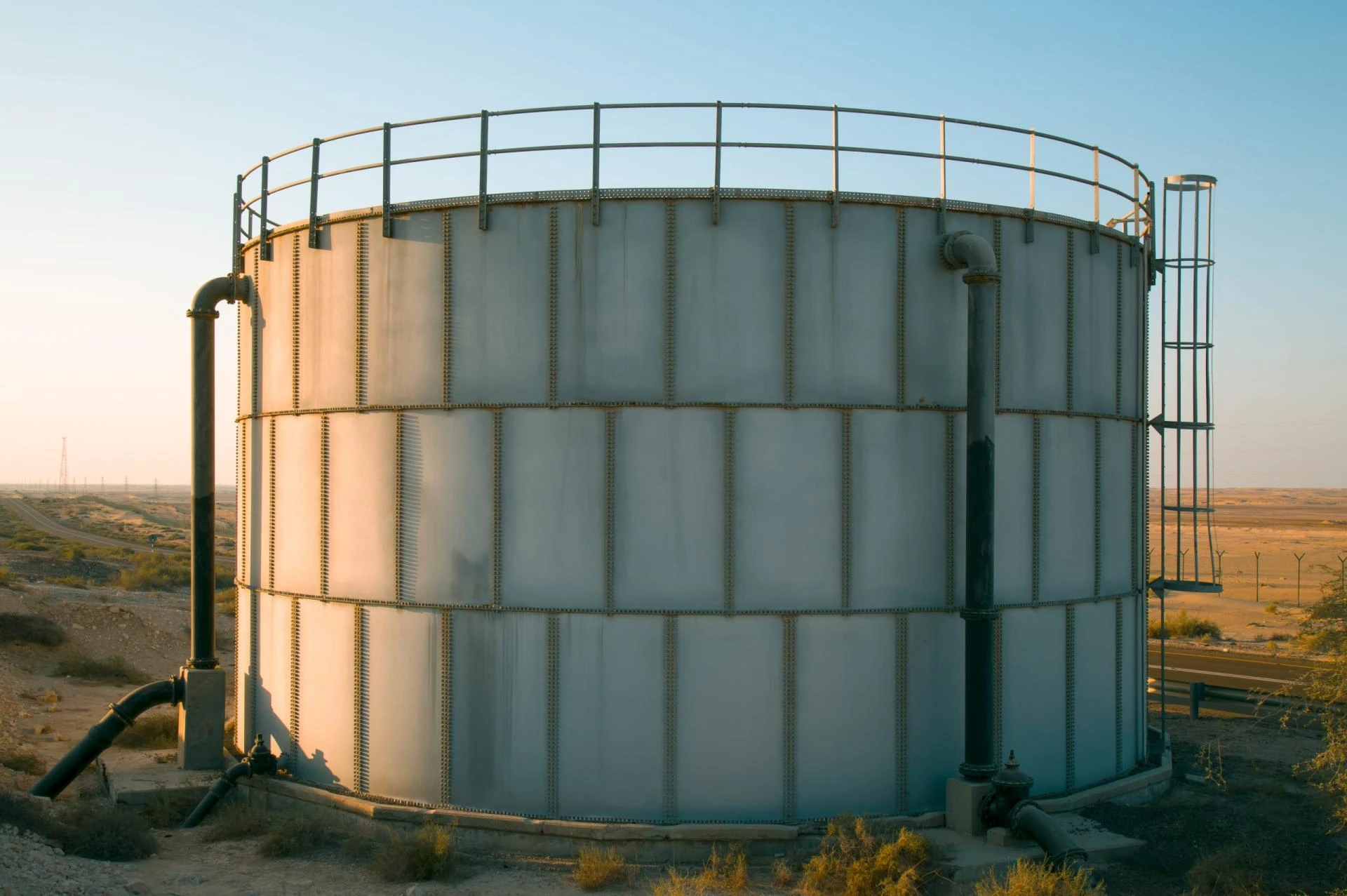

Have you ever wondered why so many water tanks fail earlier than expected despite regular maintenance? The majority of the time, the solution lies under the surface, that is, internal corrosion, leaks, and material deterioration that are not detected until the expensive harm is done. In this situation, tank liners are essential for safeguarding water storage systems and increasing their useful life.
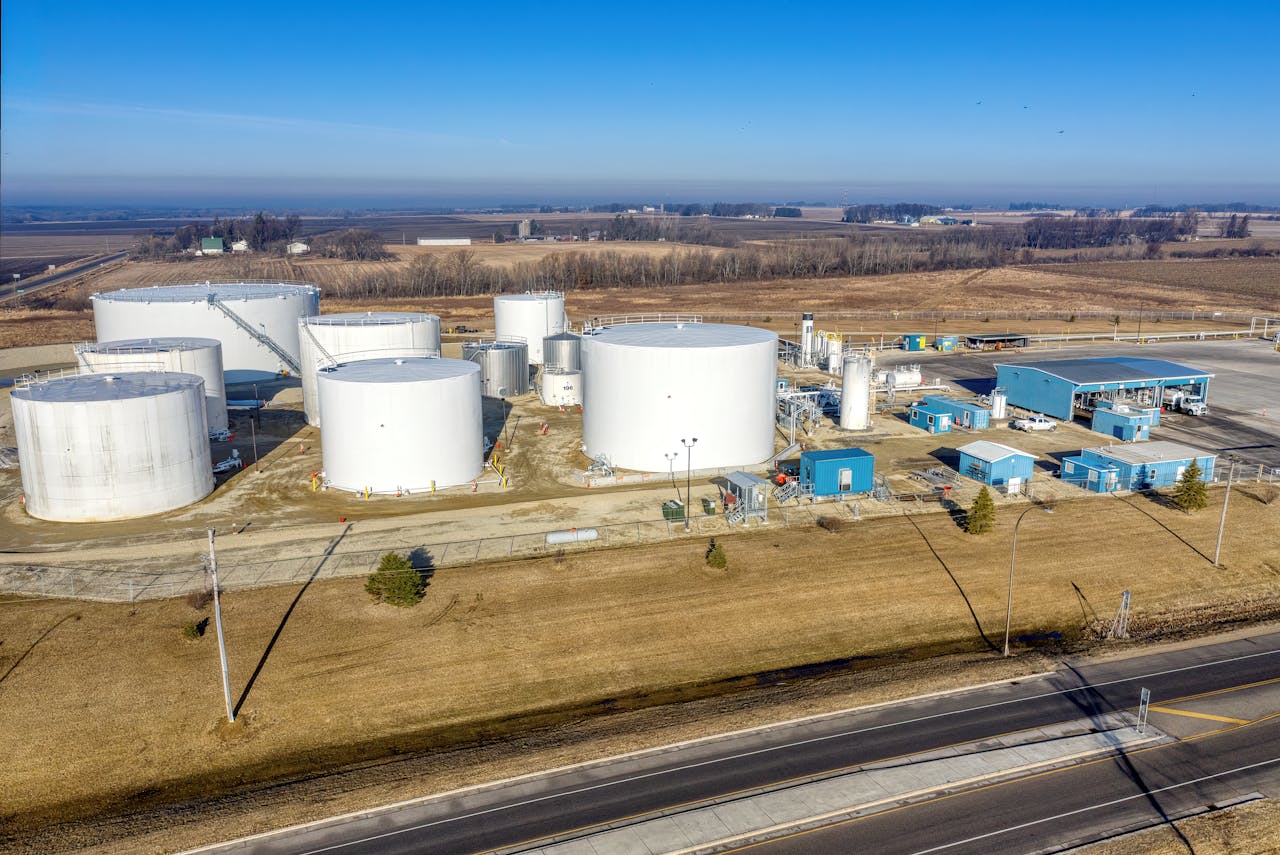
Additionally, tank liners are now a conventional, reasonably priced way to protect tanks against wear, chemical exposure, and structural degradation in the sectors, including:
- Commercial
- Municipal
- Industrial
Read on for information below to learn the role of tank liners in storage safety, fire water systems, and more. Let’s get started!
The Important Role Tank Liners Play in Storage Safety
Tank liners are barriers preserved inside tanks to prevent liquids from coming into direct contact with the tank’s structure. Also, they serve as a hindrance against problems like
- Corrosion
- Pollution
- Leaks
All the above issues can compromise compliance and safety.
Furthermore, modern tank liners are designed to provide long-term performance, flexibility, and durability. It is regardless of whether they are used in industrial storage, fire protection infrastructure, or potable water systems. Hence, because of their versatility, they can be used with a variety of tank materials and applications.
Why Tank Liners Are Essential for Water Storage Systems
Over time, water tanks are subjected to temperature fluctuations, moisture, pressure, and chemical reactions. Even reinforced tanks erode internally over time. Therefore, by establishing a regulated interior climate and installing water tank liners, these dangers are greatly reduced.
Key benefits include:
- Extended tank lifespan
- Reduced maintenance and repair costs
- Improved water quality and hygiene
- Enhanced structural protection
Additionally, tank Liners are an important investment for enterprises looking to maximize asset performance, not an optional update.
How Do Concrete Tank Liners Protect Structural Integrity
Because of their strength, concrete tanks are frequently utilized; yet, they are also susceptible to water seepage, chemical attack, and cracking. Also, to compensate for these flaws and maintain the tank's structural integrity, concrete tank liners have a smooth inner layer.
Therefore, by isolating concrete surfaces from stored water, Concrete Tank Liners help prevent:
- Internal erosion
- Algae growth
- Chemical leaching
- Costly reconstruction
Additionally, this method is especially useful for outdated infrastructure that is too costly or impractical to upgrade.
The Role of Tank Liners in Fire Water Systems
Systems for preventing fires depend on complete dependability. The failure of any fire water tank can result in serious safety and compliance issues. Tank Liners are therefore frequently used in combination with regular Fire Water Tank Inspection programs.
Moreover, specialists evaluate material performance, joint integrity, and liner condition during inspections. Superior Tank Liners provide peace of mind when it counts most by ensuring that fire water tanks stay functional, leak-free, and in compliance with regulations.
Why Tank Liners Outperform Full Tank Replacement
Replacing a broken tank can be costly, time-consuming, and disruptive. Tank Liners, on the other hand, enable the refurbishment of existing tanks without requiring a lengthy downtime.
Also, from an operational perspective, Tank Liners offer:
- Faster installation timelines
- Lower capital expenditure
- Minimal site disruption
- Sustainable asset reuse
Additionally, the most practical option for companies that prioritize efficiency and lifecycle management is to line existing tanks.
From Water Storage to Fire Protection: Tank Liner Applications
Tank liners adaptability makes them appropriate for a variety of industries, such as:
- Municipal water storage
- Mining and industrial processing
- Fire protection systems
- Agriculture and irrigation
Furthermore, water Tank Liners are customized for each application to fulfill specific chemical, environmental, and regulatory standards, ensuring reliable performance even in the most taxing situations.
Choosing the Right Tank Liner Solution
Tank liners differ from each other. Several variables, including tank size, liquid held, operational conditions, and compliance requirements, influence the choice of solution.
A professional provider will evaluate:
- Tank material and condition
- Usage requirements
- Installation constraints
- Long-term maintenance needs
Additionally, the appropriate liner system provides measurable long-term benefit when paired with professional advice and regular Fire Water Tank Inspection.
Maintenance and Longevity of Tank Liners
Even though tank liners are made to last, regular inspections guarantee peak performance. Also, preventive maintenance enables prompt intervention before minor problems worsen and helps identify early wear indicators.
Furthermore, properly maintained ones can outlast unlined tanks by decades and reduce overall ownership cost.
Last Lines
Protecting current assets is as important as creating new ones in today's infrastructure-driven companies. Also, Tank liners are a conventional, cost-effective, and environmentally friendly way to increase tank longevity, enhance security, and guarantee operational dependability.
Additionally, with the right system backed by routine fire water tank inspections, organizations can future-proof their water storage infrastructure with concrete tank liners or specialized tank liners. Furthermore, these are effective when longevity, performance, and compliance are important considerations.
Looking to extend the life of your tanks without costly replacements?
Find out how your water storage systems can be protected for decades with high-performance tank liners. To learn more about customized lining solutions made for dependability, security, and long-term value, get in touch with the professionals right now.
























Sign in to leave a comment.