
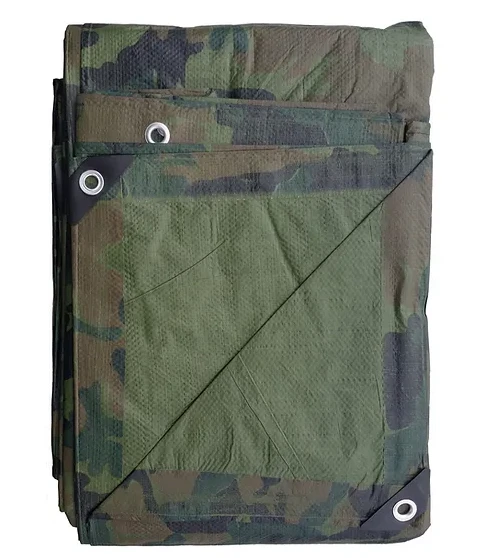
A tarp cover, commonly known simply as a tarp, is a flexible, waterproof or water-resistant sheet made of materials such as polyester, canvas, or polyethylene. Tarps are reinforced with eyelets, ropes, or other fasteners, making them incredibly versatile and useful in various situations. Whether you're a homeowner, a camper, a farmer, or a construction worker, a tarp cover can be an essential tool to protect your assets, shield from weather, and even aid in recreational activities.
Versatile Uses of Tarp Covers
1. Weather Protection
One of the primary uses of tarp covers is to protect against adverse weather conditions. During heavy rains or storms, a tarp can be used to cover outdoor furniture, vehicles, and other valuable items to prevent water damage. In colder climates, tarps are often employed to protect against snow and ice, ensuring that equipment and supplies remain dry and functional. The ability to secure these covers with ropes and eyelets ensures that they stay in place even in windy conditions.
2. Construction Sites
On construction sites, tarps play a crucial role in protecting materials and equipment. Building materials such as lumber, cement, and tools can be shielded from rain and sun, preventing degradation and ensuring the longevity of the materials. Tarps can also be used to create temporary shelters, providing a dry and shaded workspace for workers. This versatility not only protects investments but also enhances productivity by creating a more comfortable working environment.
3. Camping and Outdoor Activities
For outdoor enthusiasts, tarps are a staple item in camping gear. They can be used to create makeshift tents, ground covers, or even as additional roof covers to extend the living space. Tarps provide a lightweight and easily portable solution for creating shelter and protecting gear from the elements. Moreover, they can be employed to create shaded areas for rest or cooking, making them invaluable for a comfortable outdoor experience.
4. Agricultural Use
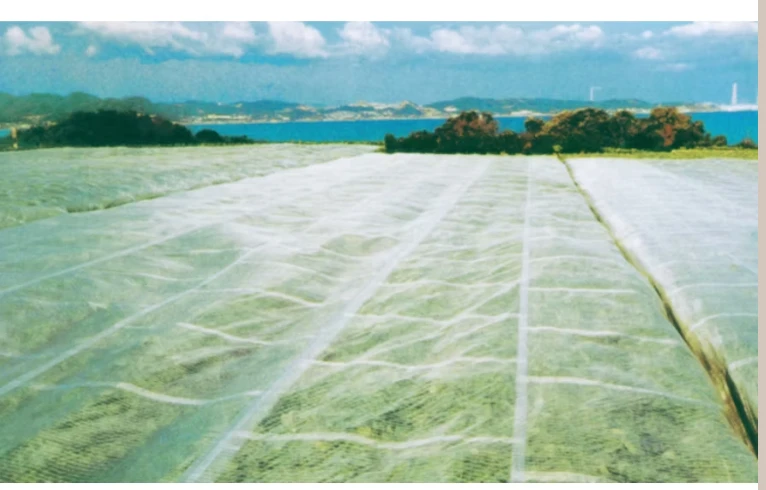
Farmers and gardeners utilize tarps for a variety of purposes, such as protecting crops, hay, and equipment. Tarps can cover stacks of hay to prevent mold and rot, shield delicate plants from harsh weather, or create temporary storage solutions. Their durability and ease of use make them an indispensable tool in agriculture, helping to secure the livelihood of farmers by protecting their investments.
5. Emergency Situations
In emergencies, tarps can be a lifeline. They are often used in disaster relief efforts to create temporary shelters for those displaced by natural disasters. Their ability to be quickly deployed and secured makes them ideal for rapid response scenarios. Additionally, tarps can be used to patch roofs, cover broken windows, and secure belongings, providing immediate and effective protection.
Choosing the Right Tarp Cover
When selecting a tarp cover, it's important to consider the specific needs and conditions it will be exposed to. Here are a few key factors to keep in mind:
Material: Polyethylene tarps are waterproof and UV-resistant, making them ideal for general use. Canvas tarps, while not entirely waterproof, are breathable and durable, suitable for covering equipment and supplies.Size: Ensure the tarp is large enough to cover your intended area with some extra room for secure fastening.Thickness: Thicker tarps offer better durability and resistance to tears, which is crucial for heavy-duty applications.Reinforcement: Look for tarps with reinforced edges and sturdy eyelets for secure fastening.Conclusion
Tarp covers are an incredibly versatile and practical solution for protecting against the elements, securing valuable materials, and providing emergency shelter. Whether for personal, professional, or recreational use, a quality tarp is an investment that offers immense utility and peace of mind. When selecting a tarp, considering the material, size, thickness, and reinforcement will ensure you choose the right cover for your specific needs. With the right tarp, you can weather any storm, safeguard your assets, and enhance your outdoor experiences.



























Sign in to leave a comment.