

Gardening can be incredibly rewarding, but it also comes with challenges. Sudden temperature changes, insects, strong winds, and unpredictable weather can damage young plants and reduce crop yield. One simple but highly effective solution used by both home gardeners and professional growers is plastic row covers for garden beds.
Plastic row covers create a protective barrier over plants, helping them grow in a more controlled environment. By shielding crops from frost, pests, and harsh weather, these covers allow gardeners to extend the growing season and maintain healthier plants.
In this article, we’ll explore what plastic row covers are, their benefits, types, and practical ways to use them effectively in your garden.
What Are Plastic Row Covers for Garden?
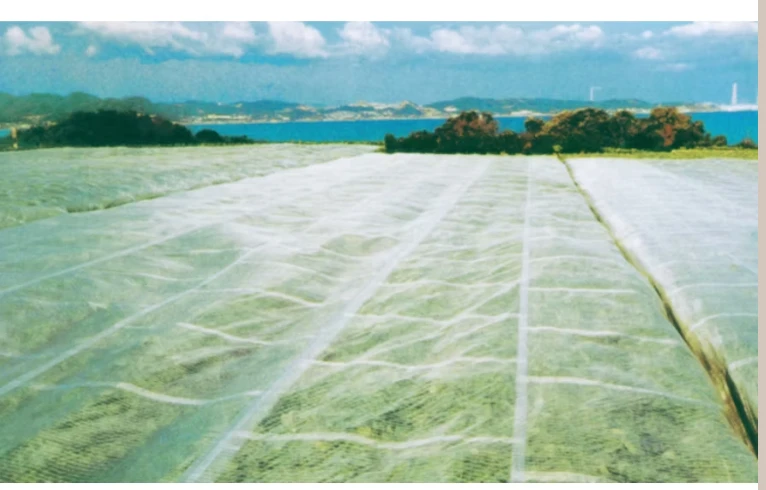
Plastic row covers are thin sheets of plastic film used to cover rows of plants or entire garden beds. These covers are usually placed directly over plants or supported by hoops made of wire, PVC, or metal to create a small tunnel structure.
The purpose of the plastic cover is to create a controlled microclimate around plants. It helps regulate temperature and humidity while protecting crops from wind, rain, frost, and insects.
Unlike fabric covers, plastic row covers seal the environment more tightly, trapping heat and moisture more efficiently. This greenhouse-like effect encourages faster growth and protects delicate plants during colder seasons.
Because of these benefits, plastic row covers are widely used in vegetable gardens, commercial farms, and backyard gardening projects.
Why Gardeners Use Plastic Row Covers
Plastic row covers provide several important advantages that help plants grow stronger and healthier.
1. Frost Protection and Season Extension
One of the biggest reasons gardeners use plastic row covers is to protect crops from frost. When temperatures drop at night, the plastic cover traps warmth from the soil, creating a warmer microclimate around the plants.
This added warmth allows gardeners to plant earlier in the spring and continue harvesting later into the fall. Crops such as tomatoes, peppers, and leafy greens benefit greatly from this extra protection.
2. Pest and Insect Control
Plastic row covers also serve as a physical barrier against insects and pests. Aphids, beetles, caterpillars, and other insects cannot reach the plants when they are protected under the cover.
Because pests cannot easily access the crops, gardeners often need fewer chemical pesticides. This makes plastic row covers a helpful tool for more natural and eco-friendly gardening practices.
3. Temperature and Humidity Regulation
Plastic covers help maintain stable temperatures and humidity levels around plants. The trapped warmth encourages faster seed germination and stronger root development.
Consistent humidity also prevents plants from experiencing stress caused by sudden weather changes.
4. Protection from Wind and Rain
Young seedlings can easily be damaged by strong winds or heavy rain. Plastic row covers shield plants from these environmental stresses and reduce soil disturbance around the roots.
This protection helps plants grow more steadily and reduces the chances of disease caused by soil splash during rainstorms.
5. Improved Moisture Retention
Another advantage of plastic row covers is better water retention. The plastic layer reduces evaporation from the soil, helping it stay moist for longer periods.
As a result, gardeners may need to water their plants less frequently, which is especially beneficial in dry climates.
6. Weed Suppression
Certain plastic row covers, especially darker or opaque ones, can help reduce weed growth. By blocking sunlight from reaching the soil surface, they prevent weed seeds from germinating and competing with crops for nutrients and water.
This saves gardeners time and effort spent on weeding.
Types of Plastic Row Covers
Plastic row covers are available in several types, each designed for different gardening needs.
Lightweight Plastic Covers
These thin covers allow plenty of sunlight to reach plants while still providing basic frost protection. They are commonly used for early spring planting.
Medium-Weight Plastic Covers
Medium covers are slightly thicker and offer better insulation and durability. They are ideal for extending the growing season and protecting plants from moderate weather conditions.
Heavyweight Plastic Covers
Heavy plastic covers provide maximum protection from cold temperatures and harsh weather. These are often used for winter gardening or in colder climates.
Perforated Plastic Covers
Perforated plastic covers have small holes that allow ventilation and reduce heat buildup. These covers balance temperature control and airflow.
Black Plastic Covers
Black plastic mulch covers block sunlight from reaching the soil, helping suppress weeds while warming the soil underneath.
Each type of plastic row cover serves a specific purpose, so choosing the right one depends on climate, plant type, and seasonal needs.
How to Use Plastic Row Covers in the Garden
Using plastic row covers properly ensures the best results. Here are some simple steps to follow.
Install Hoops or Support Frames
Many gardeners install flexible hoops made from wire, metal, or PVC pipes over their garden beds. The plastic sheet is then draped over these hoops to form a tunnel structure.
This setup keeps the plastic from touching the plants while creating an air pocket that helps regulate temperature.
Secure the Edges
To prevent wind from lifting the cover, secure the edges with soil, bricks, stones, or garden staples.
A common technique is to bury the edges in a shallow trench along the sides of the bed.
Provide Ventilation
Plastic row covers trap heat, which is helpful in cold weather but can become harmful on warm days. Gardeners should occasionally open the ends of the tunnel or lift the sides to allow airflow and prevent overheating.
Perforated covers can also help improve ventilation.
Monitor Soil Moisture
Because plastic reduces evaporation, it’s important to check soil moisture levels regularly. Too much water can lead to root problems or fungal growth.
Remove for Pollination
Some plants such as squash, cucumbers, and melons rely on insects for pollination. During flowering, the covers should be removed or temporarily opened to allow pollinators access to the plants.
After pollination occurs, the cover can be replaced if additional protection is needed.
Best Crops for Plastic Row Covers
Many vegetables grow well under plastic row covers. Some of the most common include:
- Lettuce
- Spinach
- Kale
- Cabbage
- Broccoli
- Tomatoes
- Peppers
- Carrots
- Radishes
- Strawberries
These crops benefit from the extra warmth and protection provided by the covers.
Conclusion
Plastic row covers for garden use are a simple yet powerful tool for protecting plants and improving crop growth. By creating a controlled microclimate, they shield plants from frost, pests, wind, and heavy rain while maintaining consistent temperature and moisture levels.
Whether you’re a beginner gardener or an experienced grower, plastic row covers can help extend your growing season, reduce plant stress, and increase overall yields. With proper installation and maintenance, they provide an affordable and practical solution for healthier and more productive gardens.
https://www.thetarpco.com/




















Sign in to leave a comment.