
Plastic row covers are one of those gardening tools that can really change the way your plants grow — and they’re worth understanding if you’re serious about healthy, productive beds. At their core, plastic row covers are thin sheets of plastic material that garden enthusiasts use to cover rows of plants or entire garden beds, creating a protective barrier around crops. They can be placed directly on plants or over simple hoop structures, depending on your needs and how tall your plants are growing. The idea is to create a microclimate that gives your garden a head-start and keeps plants safer when conditions are unpredictable.
One of the biggest advantages of plastic row covers is their ability to regulate temperature and humidity around plants. By trapping heat that naturally radiates from the soil, these covers act like a mini greenhouse, helping maintain warmer air near the plants — especially at night when frost can be a threat. That means you can plant cool-season crops earlier in spring and protect sensitive plants well into fall, extending your growing window without spending on elaborate structures.
In colder climates or seasons where frost can damage seedlings like lettuce, kale, or young brassicas, the slight uplift in temperature under a plastic cover can make all the difference between crop failure and a thriving bed. And because the plastic can be perforated or chosen in different weights, you can pick the level of heat retention that suits your plants and weather conditions.
Besides temperature benefits, plastic row covers are excellent at keeping pests and insects at bay. When you drape a sheet over your crops — and secure it properly — it becomes a physical barrier that many common pests like aphids, caterpillars, beetles, and other nibblers can’t penetrate. This is especially handy for organic gardeners who want to reduce chemical pesticide use; simply covering vulnerable plants significantly cuts down on insect damage.
Another common gardening headache is wind and heavy rain, both of which can stress delicate plants or disrupt soil around roots. A plastic row cover helps buffer these weather extremes, giving seedlings and young plants a calmer environment to grow. That protective layer also helps prevent soil erosion and keeps rain from splashing soil — and any soil-borne disease spores — onto young foliage where problems could start.
Moisture management is yet another area where plastic row covers shine. By reducing soil surface evaporation, they help keep moisture in the ground longer, especially during dry spells. For gardeners in arid or drought-prone regions, this means less frequent watering and steadier hydration for plants, which often translates to healthier growth overall.
Interestingly, plastic row covers can also help suppress weed growth. Opaque or darker plastic blocks sunlight from reaching weed seeds in the soil, which inhibits germination and gives your crops a better shot at dominating the space without fighting unwanted competition. That’s particularly useful in vegetable beds where weeds and crops constantly compete for nutrients and water.
There are several types of plastic row covers, and understanding them helps you pick the right one for your garden:
- Clear Plastic Row Covers: These let in maximum sunlight and are great for creating that greenhouse warming effect. They’re practical for cold-weather crops because they boost soil temperature and extend the season.
- White or Opaque Plastic Covers: These diffuse sunlight, which can be beneficial during warmer months when too much direct sun could overheat plants. They balance light exposure and temperature while still offering protection from pests.
- Perforated Plastic Covers: With tiny holes built in for ventilation, these covers allow some air movement without losing too much warmth — a good choice when you want heat retention and airflow.
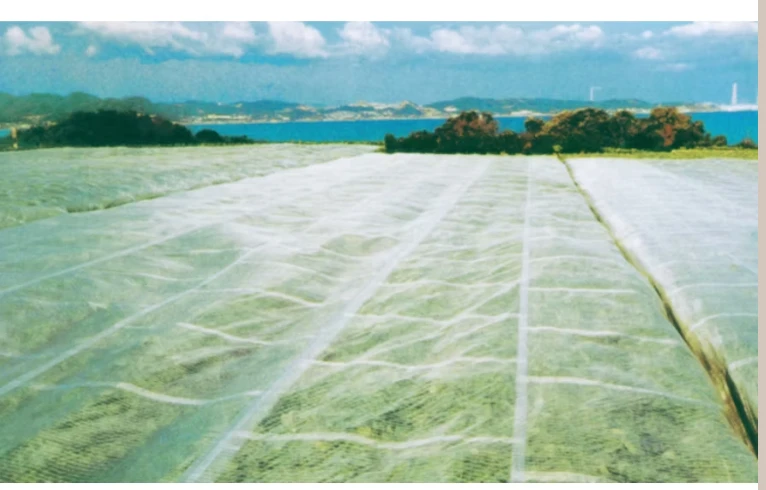
- Floating Plastic Row Covers: Lightweight and laid right over the plants, these covers protect from light frost and insects without needing hoops or frames.
- Hooped Plastic Covers: Draped over simple arched supports made from PVC, wire, or flexible tubing, these create a tunnel-like growing space that accommodates taller plants and provides room for growth.
Using plastic row covers effectively does take a bit of know-how. After you choose the right type of cover for your climate and crops, you prepare the garden bed by removing weeds, loosening the soil, and watering well before installation. If you’re using a hooped setup, insert supports at regular intervals to hold the plastic clear of your plants so they don’t get squashed or damaged as they grow.
Once in place, it’s important to secure the edges properly — using soil, rocks, landscape staples, or pins — so the wind doesn’t get underneath and lift the cover. Regular monitoring is also key: on warm sunny days, the air under plastic can heat up more than expected, so you might need to open the sides or add ventilation to prevent overheating. And for plants that require pollination by insects — like squash or cucumbers — you’ll need to temporarily remove the cover during flowering or hand-pollinate before replacing it.
There are a few trade-offs to be mindful of. Because solid plastic doesn’t allow rain or irrigation water to pass freely, you sometimes need to remove it for watering or choose perforated options that strike the right balance between protection and water flow. Also, plastic covers aren’t inherently breathable, so ventilation and careful moisture monitoring help prevent problems like fungal growth.
With good care, plastic row covers can last multiple growing seasons — often 3 to 5 years, depending on how they’re handled and stored. After each season, cleaning off debris, folding them neatly, and storing them in a dry place away from direct sunlight helps extend their lifespan. That way, the investment keeps paying off year after year.
In terms of crops, a wide range of vegetables and flowers benefit from plastic row covers for garden. These include leafy greens like lettuce and spinach, brassicas such as cabbage and broccoli, nightshade plants like tomatoes and peppers (especially in early season frost), root vegetables like carrots and beets, and even strawberries and small fruits that need frost protection.
Plastic row covers aren’t a magic bullet, but when used thoughtfully they enhance plant health, reduce pest pressure, increase yields, and extend your growing season — all with relatively simple materials and setup. They’re one of those gardening tools that offer serious value without complicated construction, whether you’re a backyard enthusiast or a market gardener seeking consistent results.



























Sign in to leave a comment.