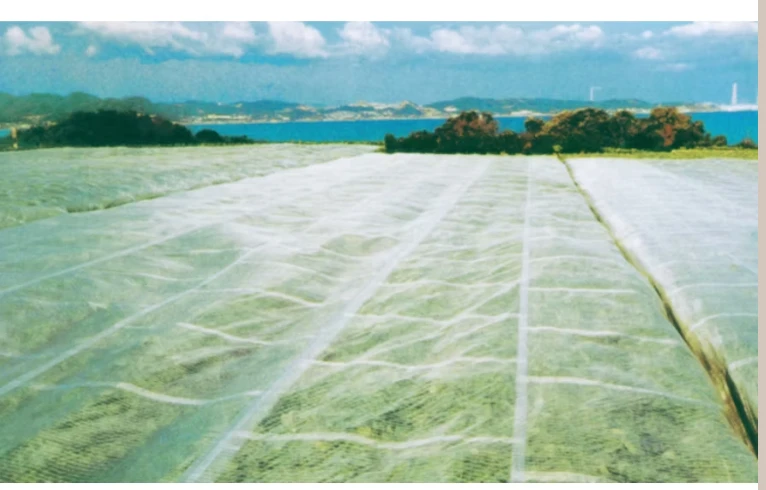

If you love gardening, you know how frustrating it can be to see tender seedlings wither from frost, get chewed by pests, or struggle under harsh weather. That’s where plastic row covers for garden come in — practical, affordable sheets of plastic that help create better growing conditions and protect plants from a multitude of threats. Whether you’re a weekend gardener or growing serious produce, understanding how these covers work can make a real difference in your harvest.
What Are Plastic Row Covers?
At their core, plastic row covers are thin sheets of plastic material designed to drape over garden beds or be supported on hoops to form a protective layer above plants. Unlike fabric covers, which are porous, plastic covers trap heat and moisture more effectively, creating a mini-greenhouse effect that moderates the microenvironment surrounding your plants. This makes them especially useful for temperature regulation and season extension in cooler climates or unpredictable weather.
Why Use Plastic Row Covers in Your Garden?
1. Frost Protection and Season Extension
One of the biggest benefits of plastic row covers is frost protection. When nighttime temperatures drop, the plastic traps warmth radiating from the soil, creating a warmer microclimate that shields plants from frost damage. This can give gardeners an extended growing window — meaning you can plant earlier in spring and harvest later in fall. Crops like tomatoes, peppers, and leafy greens respond especially well to this protection.
2. Pest and Insect Barrier
Garden pests like aphids, caterpillars, and beetles can decimate young plants in a matter of days. Plastic row covers act as a physical barrier that keeps many pests out without the need for chemical pesticides. This not only protects your crops but also supports more organic gardening practices by letting nature do the work.
3. Temperature and Humidity Control
Unlike open garden beds, areas under plastic row covers maintain more stable temperatures and humidity levels. The trapped heat boosts germination and growth, while consistent moisture can help roots flourish. This controlled environment can mean healthier, more productive plants over the season.
4. Wind and Weather Protection
Strong winds and heavy rain can break tender stems and wash away soil around shallow roots. Plastic row covers shield plants from these extremes, reducing stress and minimizing physical damage so your garden can thrive even during rough weather.
5. Moisture Retention and Weed Suppression
By limiting direct sun and wind on the soil surface, plastic row covers reduce evaporation and help retain soil moisture, which means watering becomes more efficient. Some opaque plastic covers can even suppress weeds by blocking sunlight, preventing weed seeds from sprouting and competing with your crops for nutrients.
Types of Plastic Row Covers
Plastic row covers aren’t all the same — different types serve different gardening needs:
- Clear Plastic Row Covers: These allow maximum sunlight to reach plants and retain heat, making them perfect for early spring and late fall.
- White or Opaque Covers: These diffuse sunlight more evenly, preventing overheating in summer while still providing temperature control.
- Perforated Plastic Row Covers: Small holes provide ventilation to reduce overheating and condensation, balancing warmth with airflow.
- Floating Plastic Row Covers: Lightweight sheets that sit directly on plants, great for low-growing crops or frost protection when supported by hoops.
- Hooped Plastic Row Covers: These create tunnel-like structures over plants, offering space for growth and better air circulation underneath.
Choosing the right type depends on your climate, the plants you grow, and your goals — whether that’s frost protection, pest exclusion, moisture control, or all of the above.
How to Use Plastic Row Covers Effectively
Getting the most from plastic row covers involves a few simple steps:
- Prepare the Garden Bed: Remove weeds, loosen soil, and water before applying the cover to create the best growing conditions.
- Install Support Hoops (if needed): For taller plants, use wire or PVC hoops to avoid the plastic touching leaves directly and to create space for growth.
- Drape and Secure: Make sure the cover reaches the ground on both sides. Anchor edges with soil, stones, or landscape pins so wind doesn’t lift it.
- Monitor and Adjust: Check often, especially on warm days. Lift edges or ventilate to prevent overheating and ensure proper airflow.
Best Crops for Plastic Row Covers
Plastic row covers work for a wide range of vegetables and flowers:
- Leafy Greens: Lettuce, spinach, kale benefit from frost protection and consistent temperatures.
- Brassicas: Cabbage, broccoli, and cauliflower thrive under warmer, protected conditions.
- Nightshades: Tomatoes, peppers, and eggplants enjoy extended seasons with plastic sheeting.
- Root Vegetables: Carrots, beets, and radishes benefit from moisture retention and wind protection.
- Melons and Cucumbers: These heat-loving crops can be started earlier and protected longer.
However, annual flowers and pollination-dependent vegetables like squash may need the covers removed during flowering to allow bees and other pollinators to do their work.
Tips and Best Practices
Using plastic row covers effectively means balancing heat, moisture, and airflow:
- Avoid Overheating: On sunny days, plastic can trap too much heat. Ventilate or use perforated types to avoid harming plants.
- Use UV-Resistant Plastic: Covers treated to resist UV rays last longer and perform better.
- Clean and Store Properly: After the season, wash covers, dry them, and store them in a cool, dry place to extend their life.
- Remove When Appropriate: Once frost risk passes or plants no longer need protection, remove the covers to encourage natural growth and pollination.
Conclusion
For gardeners who want healthier plants, higher yields, and fewer pest or weather woes, plastic row covers for garden are an incredibly effective tool. By creating a controlled, protective microclimate, they shield plants from frost, pests, wind, and moisture loss while encouraging faster growth and stronger roots. Whether you’re extending your season or safeguarding your summer crops, mastering the use of plastic row covers can take your gardening to the next level — season after season.

























Sign in to leave a comment.