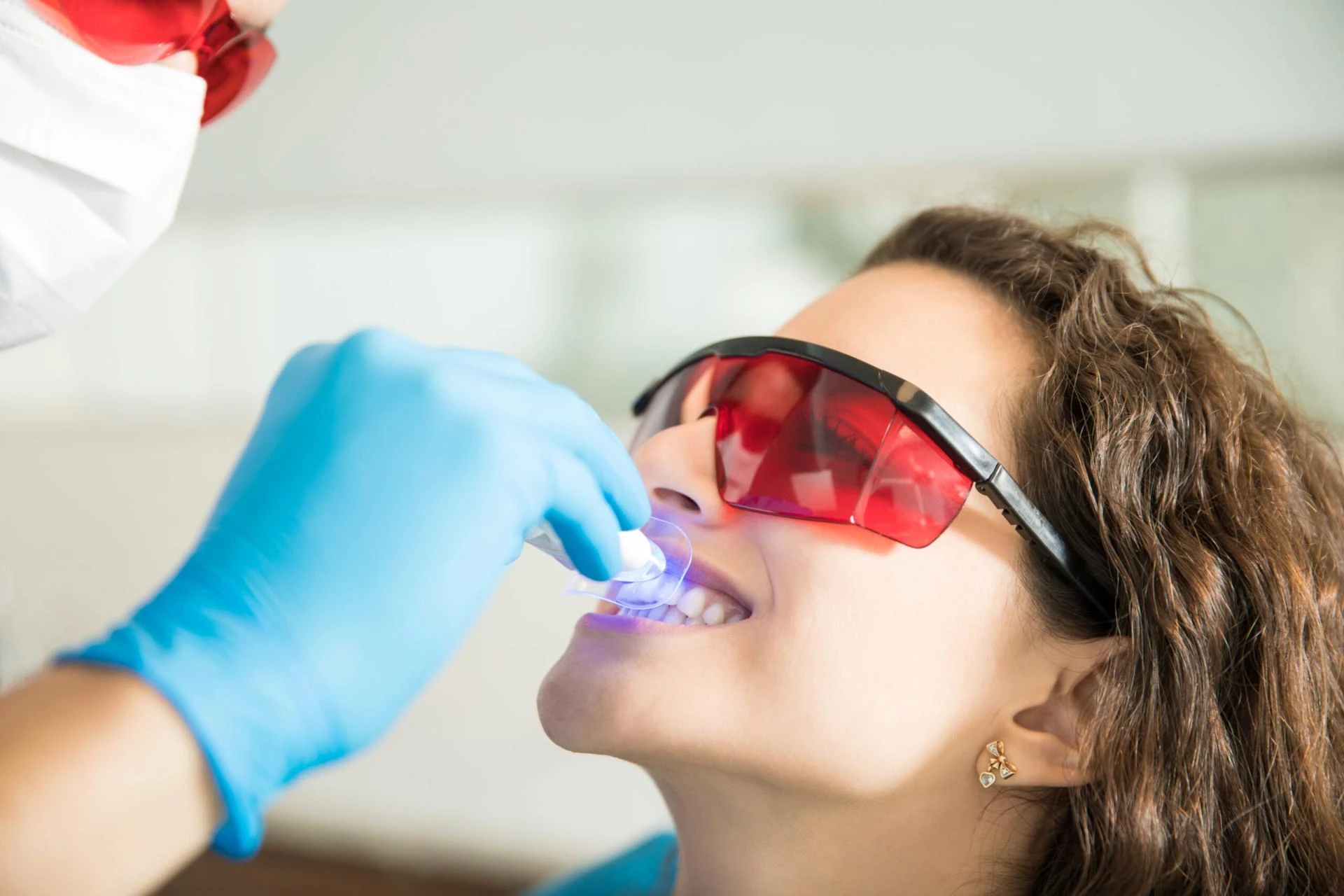

A bright, white smile is often associated with confidence, good health, and great first impressions. But if you have sensitive teeth, the idea of whitening them can feel intimidating—or even painful. The good news? You don’t have to choose between comfort and a radiant smile. With the right approach, you can safely whiten sensitive teeth without worsening discomfort.
In this guide, we’ll break down why sensitivity happens, the safest whitening options, and practical tips to help you achieve noticeable results—comfortably.
Why Do Teeth Become Sensitive?
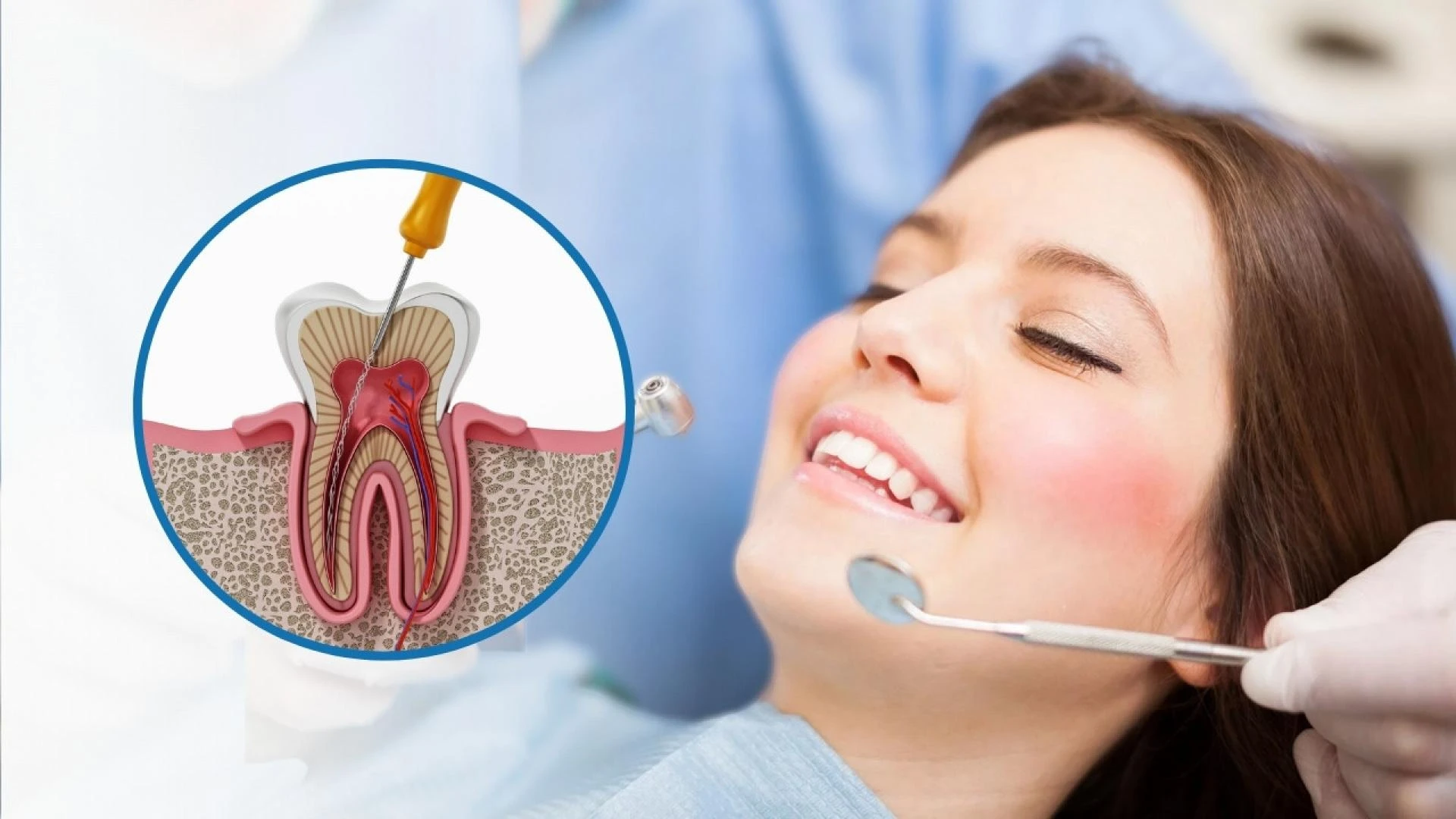
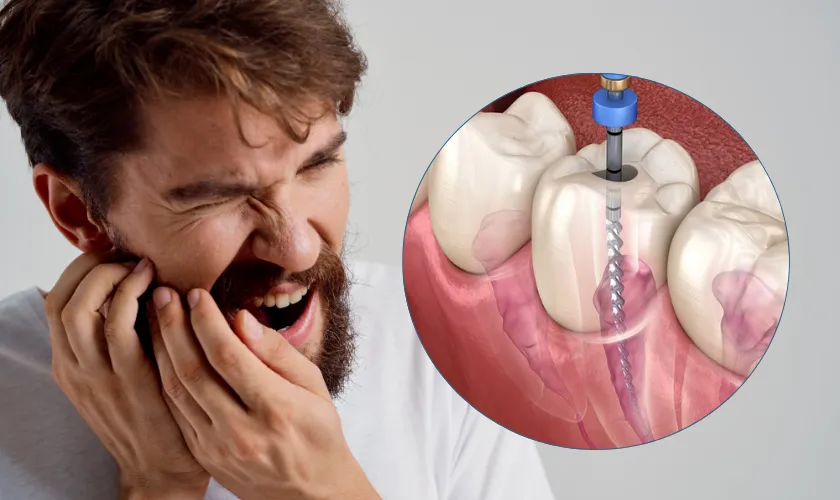
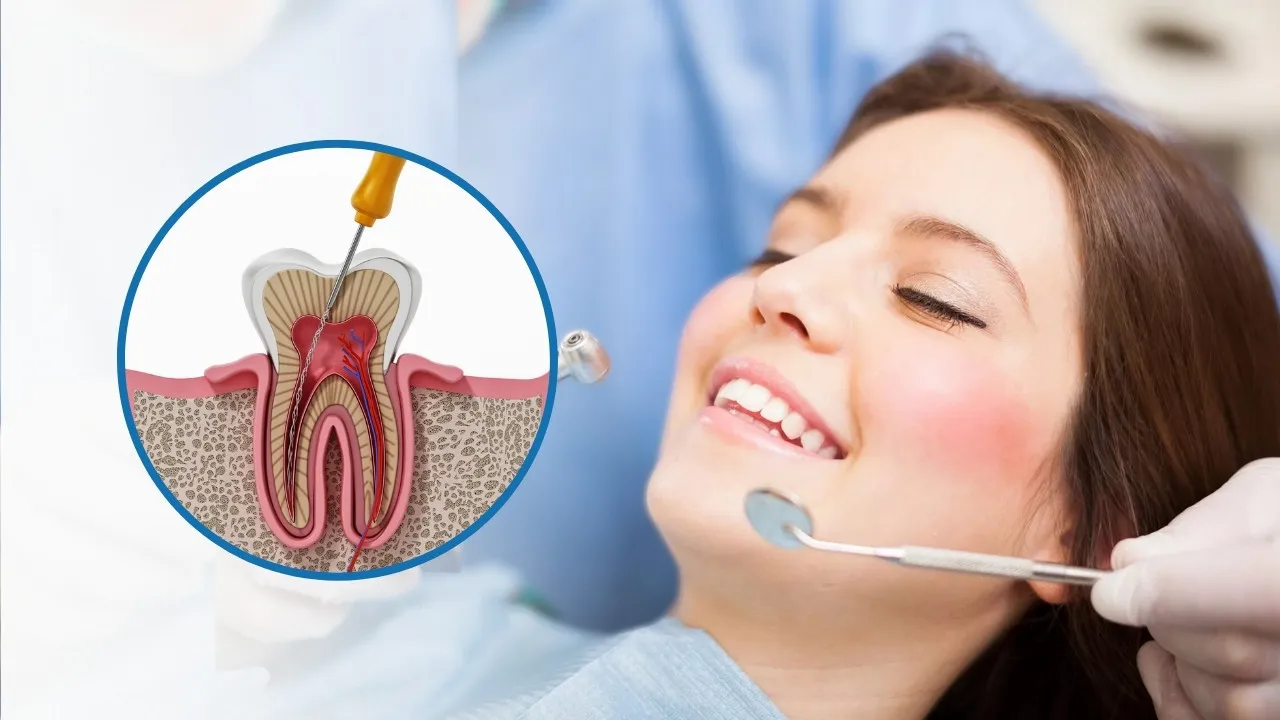
To understand how to approach teeth whitening for sensitive teeth, it helps to know what causes sensitivity in the first place. Tooth sensitivity typically occurs when the protective enamel layer wears down or when gums recede, exposing the underlying dentin. This layer contains tiny tubules that connect to nerve endings, making your teeth more reactive to hot, cold, sweet, or acidic foods.
Common causes include:
- Aggressive brushing or using a hard-bristled toothbrush
- Acidic foods and drinks (like citrus fruits and soda)
- Teeth grinding (bruxism)
- Gum recession or dental issues
- Frequent use of strong whitening products
When sensitivity is already present, using harsh whitening treatments can make it worse—so choosing the right method is key.
Can You Whiten Sensitive Teeth Safely?
Yes, you can safely try teeth whitening even if you have sensitivity—but not all methods are suitable. Traditional teeth whitening products often contain high concentrations of bleaching agents like hydrogen peroxide or carbamide peroxide. While effective, these can penetrate enamel and irritate the nerves inside your teeth.
For sensitive teeth, the goal is to use gentler, low-concentration formulas and adopt a slower, more controlled whitening approach.
Best Teeth Whitening Options for Sensitive Teeth
1. Desensitizing Whitening Toothpaste
Whitening toothpastes designed for sensitivity are a great starting point. These products typically contain mild abrasives to remove surface stains and ingredients like potassium nitrate or stannous fluoride to calm nerve activity.
While results are gradual, they are safe for daily teeth whitening maintenance and can noticeably improve tooth color over time.
2. Low-Concentration Whitening Strips or Gels
If you want more visible results, look for whitening strips or gels specifically formulated for sensitive teeth. These products use lower levels of peroxide and are designed to minimize irritation.
Tips for safe use:
- Limit usage to every other day instead of daily
- Follow instructions carefully—don’t exceed recommended time
- Stop immediately if pain increases
3. Professional Whitening for Sensitive Teeth
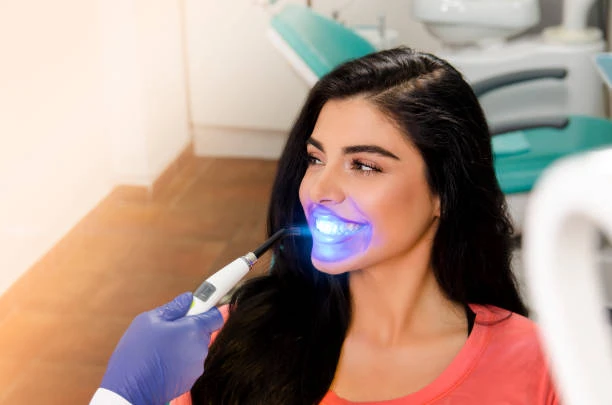
Visiting a dentist is one of the safest ways to whiten sensitive teeth. Dental professionals can tailor treatments based on your sensitivity level and use protective barriers to shield your gums and enamel.
In-office treatments may also include desensitizing agents to reduce discomfort during and after the procedure. While this option can be more expensive, it offers faster and more controlled results.
4. Custom Take-Home Trays
Dentists often provide custom-fitted whitening trays for at-home use. These trays ensure even application of the whitening gel and reduce the risk of gum irritation.
Because the treatment is gradual, it’s ideal for people with sensitivity. You can also adjust the frequency based on how your teeth respond.
5. Natural and Gentle Alternatives
Some people prefer natural remedies, but it’s important to approach them cautiously. Options like oil pulling or brushing with baking soda may help remove surface stains, but they won’t dramatically whiten teeth.
Avoid harsh DIY methods like lemon juice or activated charcoal, as they can damage enamel and worsen sensitivity.
Tips to Reduce Sensitivity During Whitening
Even with the right products, you may still experience mild discomfort. Here’s how to manage it:
1. Use a Soft-Bristled Toothbrush
Switching to a soft brush reduces further enamel wear and protects your gums.
2. Brush with Desensitizing Toothpaste Regularly
Use it for at least two weeks before starting any whitening treatment.
3. Avoid Extreme Temperatures
Hot coffee or ice-cold drinks can trigger sensitivity, especially during whitening.
4. Take Breaks Between Treatments
Give your teeth time to recover by spacing out sessions.
5. Maintain Good Oral Hygiene
Healthy teeth and gums are less likely to react negatively to whitening products.
If you're searching for Affordable teeth whitening in Faridabad, you can find customized teeth whitening solutions designed specifically for sensitive teeth. For expert care that ensures both safety and effective results, trust Vedant Dental Implant Centre.
What to Avoid
If you have sensitive teeth, steer clear of:
- High-strength over-the-counter whitening kits
- Overusing whitening products beyond instructions
- Abrasive DIY remedies (like charcoal scrubs)
- Whitening immediately after dental procedures without consulting a dentist
Ignoring these precautions can lead to increased pain and long-term enamel damage.
How Long Does It Take to See Results?
With gentle whitening methods, results may take longer compared to stronger treatments. You may notice subtle improvements within 1–2 weeks, with more visible changes over a few weeks of consistent use.
Patience is essential—rushing the process can worsen sensitivity and undo progress.
When to See a Dentist
If your tooth sensitivity is severe, persistent, or worsening, it’s best to consult a dental professional before trying any whitening treatment. Sensitivity can sometimes indicate underlying issues like cavities, worn enamel, or gum disease that need attention first.
Having sensitive teeth doesn’t mean you have to give up on achieving a brighter smile. With the right products, a gentle approach, and proper care, you can safely whiten your teeth without discomfort.
The key is to prioritize your oral health over quick results. Start slow, listen to your body, and when in doubt, seek professional guidance. A healthy smile is always more important than a fast one—and with patience, you can have both.


























Sign in to leave a comment.