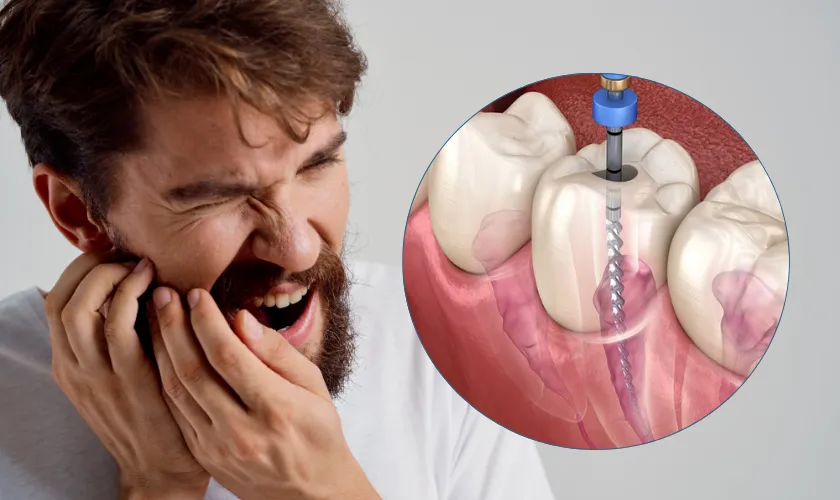

Tooth pain can be more than just a minor inconvenience it can disrupt your daily life, affect your eating habits, and even interfere with sleep. One of the most effective ways to treat severe tooth decay or infection is through root canal treatment. Despite its reputation, modern root canal procedures are safe, relatively painless, and highly successful in saving natural teeth. This guide will walk you through the symptoms, procedure, and essential aftercare tips to help you better understand what to expect.
What Is Root Canal Treatment?
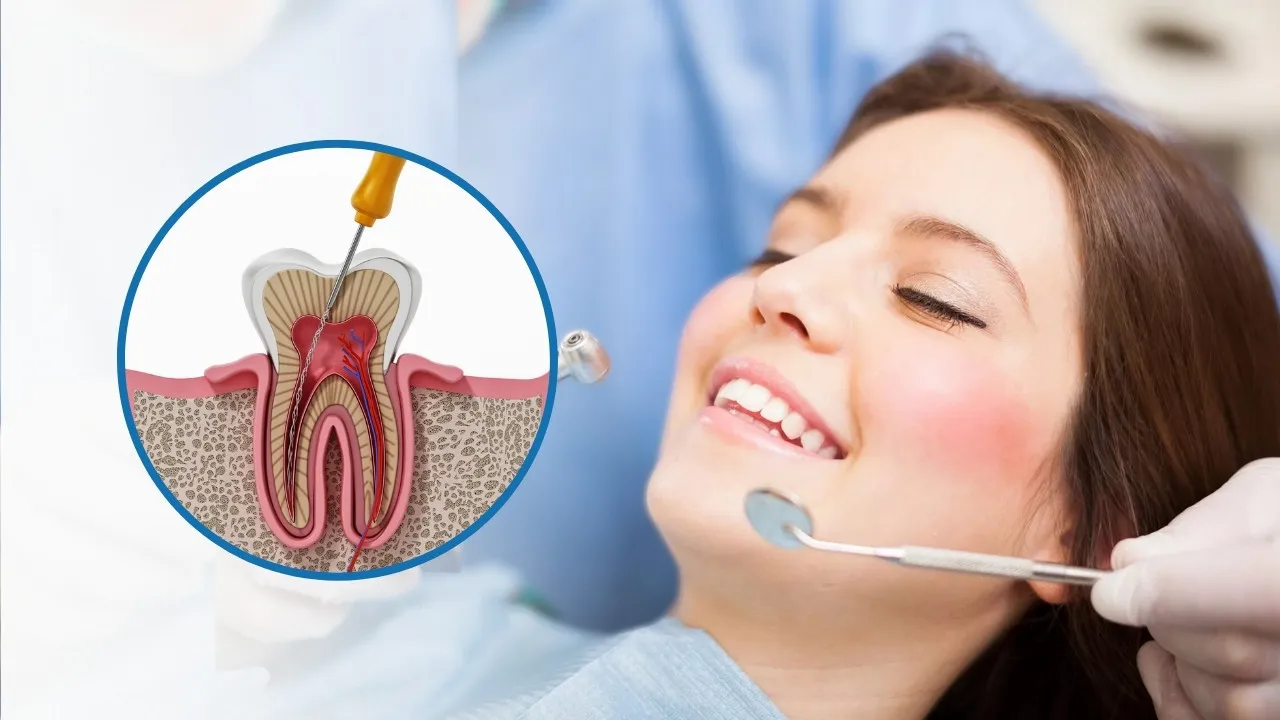
Root canal treatment is a dental procedure used to remove infected or damaged pulp from inside a tooth. The pulp contains nerves, blood vessels, and connective tissue, and when it becomes infected due to deep decay, cracks, or trauma, it can cause significant pain and swelling.
The primary goal of a root canal is to eliminate infection, prevent further damage, and save your natural tooth rather than extracting it.
Common Symptoms That Indicate You May Need a Root Canal
Not all tooth pain requires a root canal, but certain symptoms strongly suggest that the inner pulp of the tooth may be infected. Here are some warning signs to watch for:
1. Persistent Tooth Pain
If you experience ongoing pain that doesn’t go away, especially when chewing or applying pressure, it could be a sign of deep infection.
2. Sensitivity to Hot and Cold
Lingering sensitivity to hot or cold foods and beverages—even after the source is removed—can indicate nerve damage.
3. Swollen or Tender Gums
Swelling around a specific tooth, sometimes accompanied by a small bump (abscess), is a common symptom of infection.
4. Tooth Discoloration
A tooth that turns dark or grayish may be a sign that the pulp inside has died.
5. Chipped or Cracked Tooth
Damage to a tooth can allow bacteria to enter and infect the pulp.
6. Bad Taste or Odor
A persistent bad taste in your mouth or foul breath may result from infection inside the tooth.
If you notice any of these symptoms, it’s important to consult a dentist promptly to avoid complications.
The Root Canal Procedure: Step by Step
Understanding the process can help reduce anxiety. Here’s what typically happens during a root canal treatment:
1. Examination and Diagnosis
Your dentist will examine the affected tooth and may take X-rays to assess the extent of the infection.
2. Local Anesthesia
To ensure comfort, the area around the tooth is numbed using local anesthesia. Most patients report feeling little to no pain during the procedure.
3. Access Opening
A small opening is made in the crown of the tooth to access the infected pulp.
4. Cleaning and Shaping
The dentist removes the infected pulp and cleans the inner chambers (root canals). These canals are then shaped to prepare them for filling.
5. Filling the Canals
The cleaned canals are filled with a biocompatible material (usually gutta-percha) to seal them and prevent reinfection.
6. Temporary or Permanent Filling
The opening is sealed with a temporary or permanent filling. In most cases, a dental crown is recommended to restore strength and function.
When it comes to preserving your natural tooth, selecting a reliable dental clinic is just as important as the procedure itself. If you are looking for Affordable root canal treatment in Faridabad, choosing an experienced and well-equipped clinic can make a significant difference in both comfort and results.
One trusted name in dental care is Vedant Dental Implant Centre, known for its patient-focused approach, advanced technology, and skilled professionals. The clinic emphasizes painless procedures and customized treatment plans to ensure the best possible outcomes for every patient.
Is Root Canal Treatment Painful?
One of the biggest misconceptions about root canals is that they are extremely painful. In reality, advancements in dental technology and anesthesia have made the procedure comparable to getting a regular filling. Most of the pain people associate with root canals actually comes from the infection itself—not the treatment.
Aftercare Tips for a Smooth Recovery
Proper aftercare is crucial to ensure healing and prevent complications. Here are some practical tips:
1. Manage Discomfort
Mild pain or sensitivity is normal for a few days after the procedure. Over-the-counter pain relievers can help manage this discomfort.
2. Avoid Hard or Chewy Foods
Stick to soft foods until your tooth is fully restored, especially if a temporary filling is in place.
3. Maintain Oral Hygiene
Brush and floss regularly, but be gentle around the treated area. Good oral hygiene prevents further infections.
4. Attend Follow-Up Appointments
If your dentist recommends a crown, make sure to complete the restoration. This step is essential for protecting the treated tooth.
5. Watch for Unusual Symptoms
If you experience severe pain, swelling, or signs of infection after the procedure, contact your dentist immediately.
Benefits of Root Canal Treatment
Root canal treatment offers several important advantages:
- Saves Your Natural Tooth: Avoids the need for extraction and maintains your natural smile.
- Prevents Spread of Infection: Stops bacteria from affecting surrounding teeth and gums.
- Restores Function: Allows you to chew and bite normally again.
Improves Oral Health: Eliminates infection and promotes overall dental well-being.
How Long Does a Root Canal Last?
With proper care, a tooth that has undergone root canal treatment can last a lifetime. Regular dental check-ups, good oral hygiene, and avoiding habits like teeth grinding can significantly extend the life of the treated tooth.
Root canal treatment is a highly effective solution for saving infected or damaged teeth. While the idea of the procedure may sound intimidating, modern techniques have made it safe, efficient, and relatively painless. Recognizing the symptoms early and seeking timely treatment can prevent further complications and help preserve your natural smile.
If you’re experiencing persistent tooth pain or any of the symptoms mentioned above, don’t delay consulting a dental professional. Early intervention can make all the difference in maintaining your oral health and overall well-being.
Original Sources : - Root Canal Treatment: Symptoms, Procedure, and Aftercare Tips





























Sign in to leave a comment.