
In the realm of architectural and structural design, the selection of materials plays a pivotal role in ensuring both functionality and aesthetics. Aluminium handrails have emerged as a favoured choice, marrying safety with the unique properties of one of the lightest yet strongest metals available. Let’s delve into the advantages of aluminium handrails, exploring why they are an optimal choice for safety and durability.
The Unique Properties of Aluminium
Aluminium is renowned for its exceptional strength-to-weight ratio. It is significantly lighter than steel but offers comparable strength, making it an ideal material for structures that require both sturdiness and ease of installation. This lightweight property facilitates easier handling and installation of handrails, reducing labour costs and time without compromising on safety or stability.
Additionally, aluminium boasts excellent corrosion resistance. Unlike steel, which can rust and deteriorate over time, aluminium forms a protective oxide layer when exposed to air, preventing further oxidation. This characteristic makes aluminium handrails particularly suitable for outdoor use, where they are exposed to harsh weather conditions and varying temperatures. Whether in a coastal environment with salty air or an urban setting with pollution, aluminium handrails remain resilient and maintain their structural integrity.
Safety and Durability
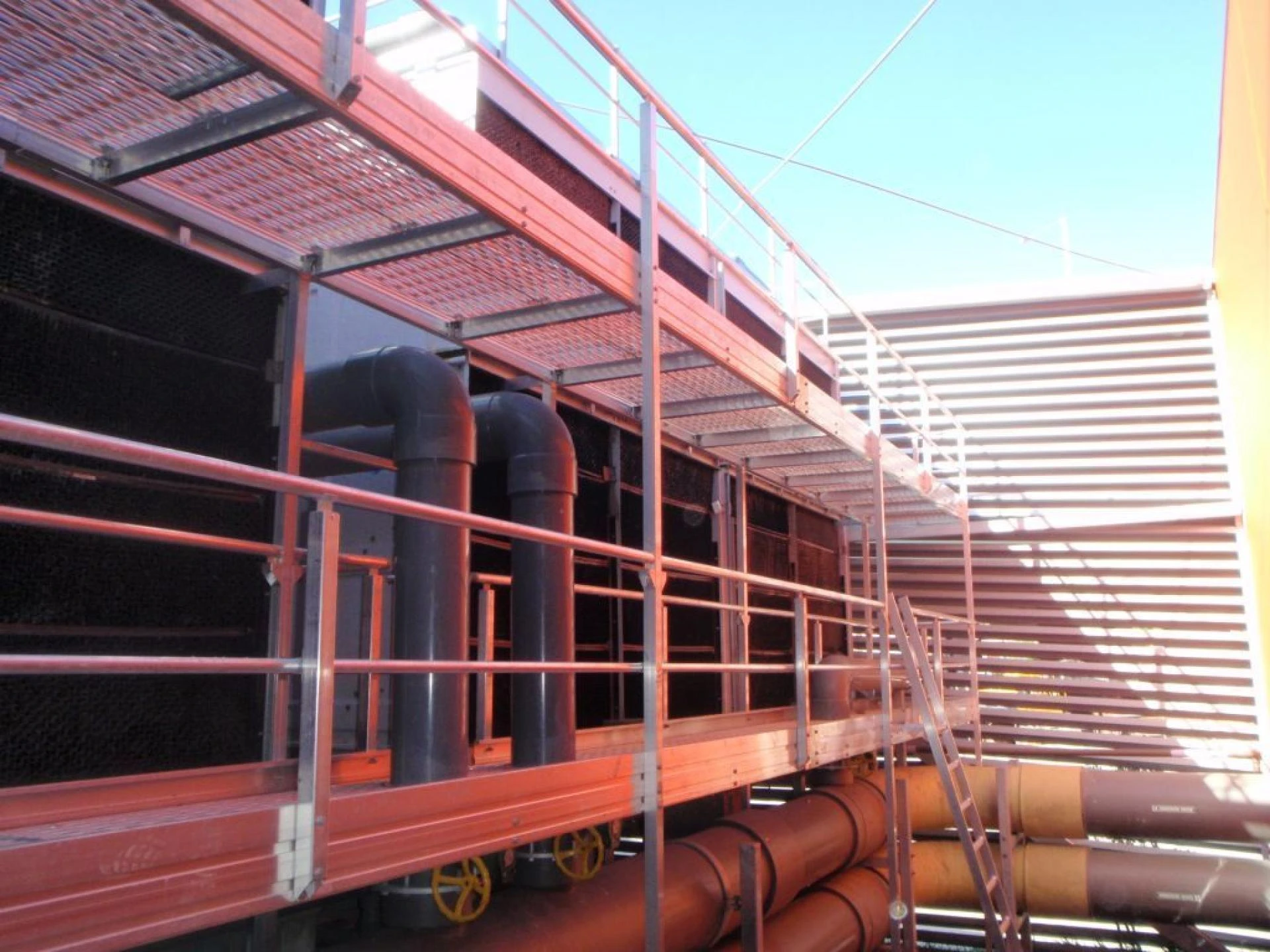
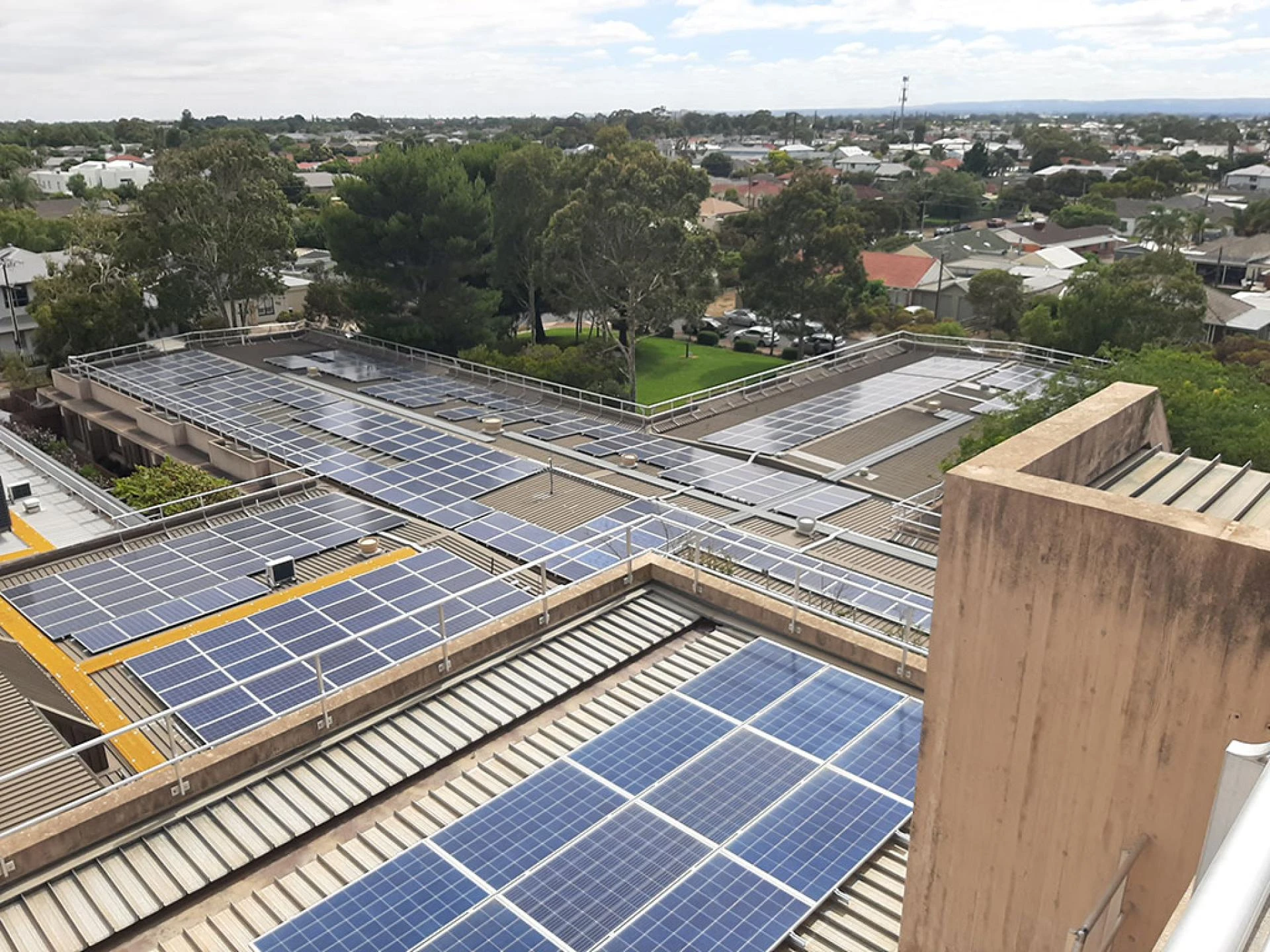
The primary function of a handrail is to provide support and safety. Aluminium handrails excel in this regard due to their inherent strength and durability. They can withstand significant pressure and weight, offering reliable support in high-traffic areas such as commercial buildings, public transportation facilities, and residential complexes. The structural robustness of aluminium ensures that handrails do not bend or break easily, thereby preventing accidents and enhancing safety.
Moreover, aluminium is a non-combustible material, adding an extra layer of safety in fire-prone areas. Its fire resistance makes it a preferred choice in building codes and regulations, particularly in regions susceptible to wildfires or industrial settings where fire hazards are a concern.
Aesthetics and Versatility
Beyond safety and durability, aluminium handrails offer a sleek and modern aesthetic that complements various architectural styles. They are available in a range of finishes and colours, allowing designers and architects to tailor the appearance to the specific needs of a project. Powder coating, anodizing, and painting are common finishing techniques that enhance the visual appeal and further protect the metal from environmental damage.
The versatility of aluminium handrails extends to their design capabilities. Aluminium can be easily extruded into various shapes and profiles, enabling the creation of custom designs that fit unique architectural features. Whether straight, curved, or intricately patterned, aluminium handrails can be crafted to meet diverse design requirements, adding both function and style to any space.
Environmental Impact
In today’s environmentally conscious world, the sustainability of building materials is a critical consideration. Aluminium stands out as an eco-friendly choice due to its recyclability. It can be recycled repeatedly without losing its properties, reducing the demand for raw materials and minimizing the environmental footprint. The recycling process of aluminium consumes significantly less energy compared to the production of new aluminium, making it a sustainable option for environmentally responsible construction practices.
Maintenance and Longevity
Aluminium handrails require minimal maintenance, which is a significant advantage over other materials. They do not need frequent painting or sealing to protect against corrosion, unlike wood or steel. A simple periodic cleaning is sufficient to keep them looking new and performing optimally. This low maintenance requirement translates to cost savings over the lifespan of the handrail, making aluminium a cost-effective choice in the long run.
The longevity of aluminium handrails is another compelling benefit. Their resistance to corrosion, weathering, and physical wear ensures that they remain functional and visually appealing for many years. This durability reduces the need for replacements and repairs, contributing to the overall cost-effectiveness and sustainability of the material.
Summing up, aluminium handrails represent a perfect blend of safety, durability, aesthetics, and sustainability. Their unique properties make them an ideal choice for various applications, from residential buildings to commercial infrastructures.


























Sign in to leave a comment.