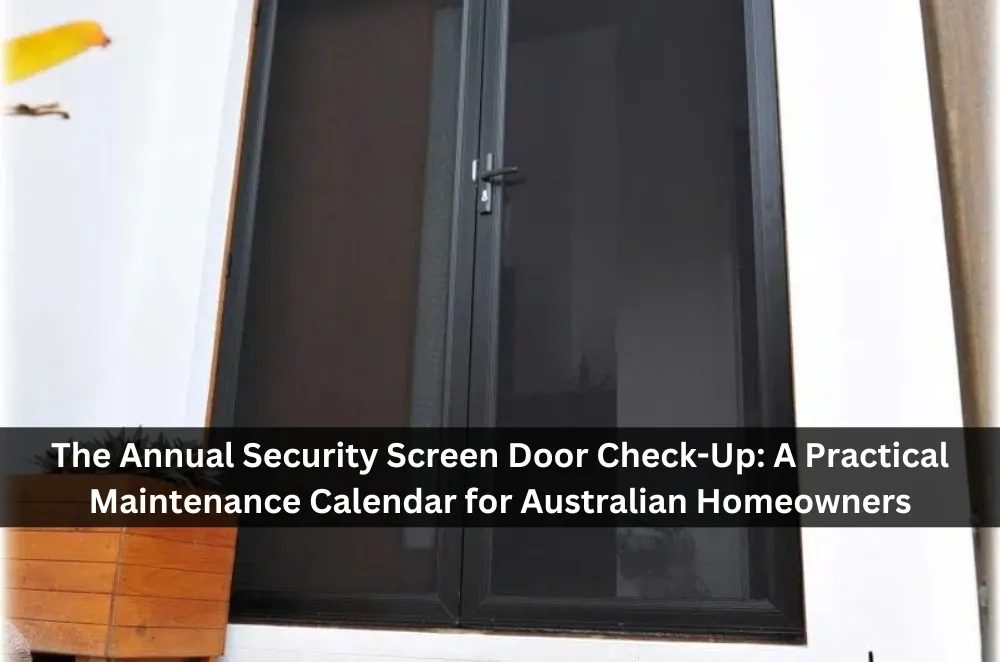

Security screen doors work quietly in the background—keeping out unwanted guests while letting the breeze in. Yet, like any working part of the home, they only deliver top-level protection when each hinge, lock and mesh panel is in good shape. A quick, structured check-up each season can prevent sticky latches, early corrosion and gaps that tempt intruders. Below is a simple Australian-specific calendar that takes climate differences and standards into account, so you can spend minutes now and save hours (and dollars) later. Whether you're maintaining an existing installation or choosing a reliable security door for the first time, these practical tips can help you maximise both safety and longevity.
Understanding the Rules Before You Start
Before grabbing the screwdriver or lubricant, it helps to know what “healthy” looks like. Australian security doors should meet AS 5039 (manufacture) and AS 5041 (test methods). These standards cover impact, knife-shear and jimmy tests—setting the baseline for strength and durability. For homeowners, the takeaway is simple: if you alter the door in a way that weakens those factors, you may void the original compliance.
For clarity on buying security screen doors, check the official guidance from NSSA.
A Season-by-Season Maintenance Calendar
Summer: Heat, Storms and Coastal Salt-Spray
Australian summers can pair 40-degree heat with sudden downpours. Expand-and-contract cycles, wind-driven debris and salty air (especially within 10 km of the coast) all test your door’s finish.
• Hose down aluminium frames and stainless-steel mesh to remove salt and dust.
• Inspect powder-coating for chalkiness—early signs of UV fatigue.
• Tighten loose handle screws caused by heat expansion.
• Check drainage holes at the bottom of the frame and clear any sand or insect nests.
Tip: Use a pH-neutral car-wash soap rather than household cleaners, which may contain corrosive salts or ammonia.
Autumn: Balancing Breeze and Bushfire Prep
When cooler evenings arrive, most households open up for cross-ventilation—so autumn is peak usage season. In many regions it’s also bushfire-readiness time.
• Gently vacuum or brush the mesh to remove fine dust and pollen, which can accelerate corrosion when damp.
• Test all three points of a triple-locking mechanism. If the latch plate scrapes, adjust it before wear sets in.
• Lubricate hinges with a graphite-based or silicone spray—never heavy grease, which traps grit.
• Check that ember-protection mesh (if fitted) still sits flush; warping can create gaps.
• Re-tension door closers so they don’t slam in autumn gusts.
Considering a quality upgrade before summer storms return? Explore the premium security screen door range to see current design options that balance airflow, strength and modern street appeal.
Winter: Moisture and Metal Contraction
Cold snaps and heavy rain test seals and finishes in another way—shrinkage and lingering moisture.
• Inspect the seal where the frame meets the wall for draughts or water ingress. Re-silicone if gaps appear.
• Look for small rust spots around screw heads; dab with a stainless-steel-rated touch-up paint if required.
• Confirm that the door self-closes fully. Metal contraction may shorten closer travel.
• In cyclone-prone northern zones, tighten fixings after any significant storm event.
Spring: Allergens, Pollen and Peak Entertaining
Longer days mean more foot traffic and often, renovation work.
• Give the mesh a final pollen wash to keep airflow high for summer.
• Inspect pet doors for chew damage or loosened fittings.
• If you’ve repainted exterior walls, double-check that overspray hasn’t clogged the mesh aperture.
• Wipe spill-mark fingerprints off stainless handles before heat and UV bake them in.
Quick-Reference Table: Minor Irritation or Red Flag?
A brief visual guide to help decide whether a quick DIY fix is enough or a specialist should step in.
| Sign You Notice | What It May Indicate | Suggested Next Step |
| Soft squeak when opening | Dust build-up on hinge pin | Clean and silicone-spray hinge |
| Handle feels loose but still latches | Screw backing out due to vibration | Re-tighten with medium-strength thread lock |
| Small rust fleck near lower frame | Coastal salt deposit starting to pit coating | Lightly sand, rinse, touch up paint |
| Mesh strand snapped at corner | Localised damage; integrity may be compromised | Arrange professional mesh re-tensioning |
| Door doesn’t align with striker plate | Frame movement, house settling, or closer mis-set | Adjust top/bottom hinge or closer arm; call installer if unsure |
| Triple lock stiff or only partial engages | Internal lock rod misalignment | Professional service recommended |
Common Maintenance Mistakes to Avoid
- Over-lubricating locks with oil-based sprays
These attract dust and gum up delicate multi-point systems. A dry-film or graphite product is safer. - Using scourers on powder-coated frames
Abrasives scratch the surface, opening paths for corrosion. Stick to soft cloths or sponges. - Leaving garden fertiliser bags against the bottom rail
Fertiliser salts accelerate corrosion; store them away from metal frames. - Ignoring gradual door-sill sagging
A few millimetres now can become a stuck emergency exit later. Re-pack shims or call a carpenter promptly. - Taping flyscreens over a security door
This traps moisture and voids airflow design; if mozzies are an issue, fit properly rated fine-mesh inserts instead.
And if you’d like a deeper dive into testing requirements, this overview of Australian security screen door standards explains what each test simulates and why it matters.
With the ground rules clear, let’s break maintenance into easy seasonal tasks.
When to DIY and When to Call a Pro
Many readers can handle washing, light lubrication and screw tightening. Bring in a licensed installer or security-door technician if:
• The door fails to lock smoothly after basic alignment checks.
• Mesh tension dips below manufacturer guidelines (you’ll see noticeable slack).
• You notice frame distortion beyond minor adjustment range.
• The home is in a BAL-rated zone and ember-protection clearances change—certification may be affected.
Professionals have calibrated tools to measure closing force, mesh tension and lock alignment—ensuring the door still meets original compliance.
Conclusion: A Five-Minute Reminder That Pays Off All Year
Security screen doors are often the first and last barrier you use every day. By matching small, season-specific tasks to Australia’s varied climates, you’ll avoid the twin problems of nuisance faults and silent strength loss. Pin this calendar to the workshop wall or set quarterly phone reminders—your door (and your peace of mind) will thank you.



























Sign in to leave a comment.