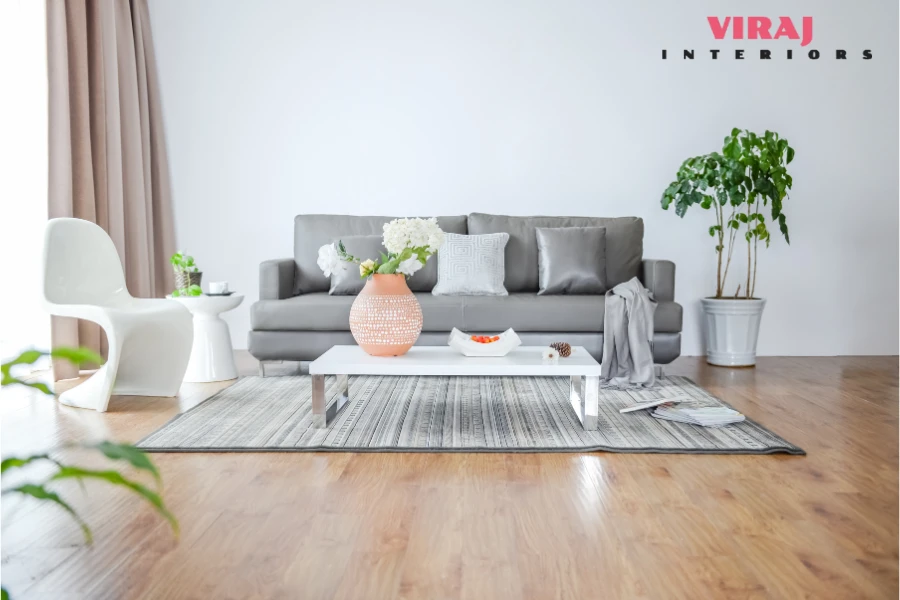

Indian interior designers have been at the forefront of blending traditional and contemporary elements to create unique and visually stunning living spaces. By seamlessly integrating age-old design motifs, intricate carvings, and traditional materials with modern furniture, lighting, and accessories, designers are able to infuse a sense of cultural heritage into contemporary homes. For instance, a traditional hand-carved wooden screen can be used as a room divider in a modern living room, adding a touch of history and craftsmanship to the space.
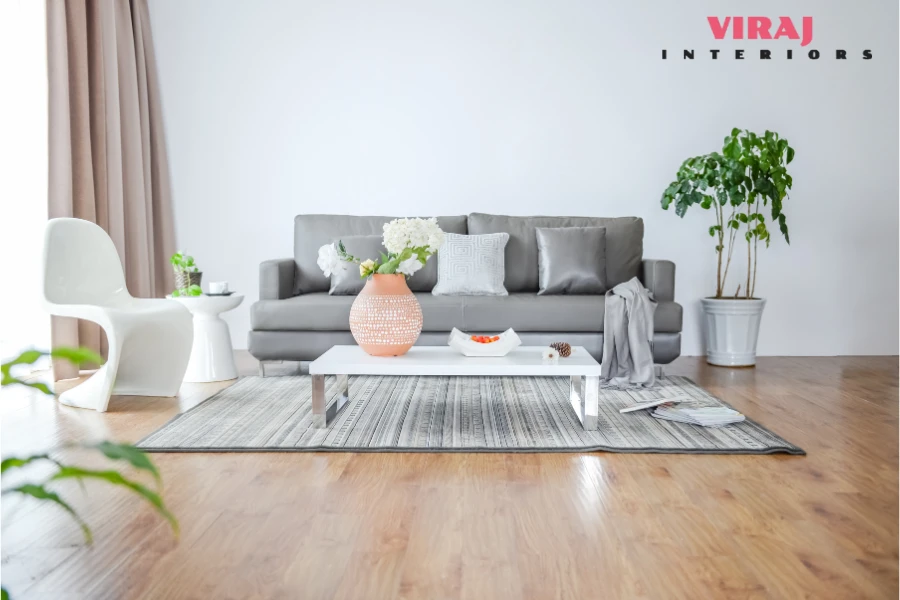
This fusion not only creates a visually appealing contrast but also serves as a testament to India's rich cultural heritage. Furthermore, the use of traditional Indian textiles such as silk, cotton, and wool in contemporary upholstery and drapery adds a sense of warmth and authenticity to modern interiors. By incorporating these traditional elements, Indian interior designers are able to create spaces that are not only aesthetically pleasing but also deeply rooted in the country's cultural identity.
Key Takeaways
- Indian interior designers are setting trends by fusing traditional and contemporary elements in their designs.
- They are embracing minimalism and functionality, creating sustainable and eco-friendly designs.
- Designers are experimenting with bold colors and patterns, integrating technology into home design.
- They are also creating multi-functional and versatile spaces, showcasing Indian craftsmanship and artisanal techniques.
- The art of modern living in Indian interior design is a blend of tradition, innovation, and functionality.
Embracing Minimalism and Functionality
In recent years, Indian interior designers have been embracing the principles of minimalism and functionality in their designs. Inspired by the minimalist movement, designers are focusing on creating clutter-free spaces that exude a sense of calm and tranquility. By carefully curating furniture, accessories, and decor items, designers are able to create a sense of openness and airiness in even the smallest of spaces.
This approach not only enhances the visual appeal of the interiors but also promotes a sense of mindfulness and simplicity in modern living. Moreover, functionality plays a pivotal role in Indian interior design, with designers prioritizing practicality and usability without compromising on aesthetics. For example, multi-functional furniture pieces such as sofa-cum-beds, extendable dining tables, and storage ottomans are becoming increasingly popular in Indian homes, allowing for efficient use of space without sacrificing style.
By embracing minimalism and functionality, Indian interior designers are redefining modern living by creating spaces that are both visually appealing and highly practical.
Incorporating Sustainable and Eco-Friendly Design
With a growing awareness of environmental issues, Indian interior designers are increasingly incorporating sustainable and eco-friendly design practices into their projects. From using locally sourced materials to implementing energy-efficient lighting and appliances, designers are making conscious efforts to reduce the environmental impact of their designs. For instance, reclaimed wood is being used to create furniture pieces, while natural fibers such as jute and bamboo are being utilized for rugs and window treatments.
Furthermore, the concept of upcycling and repurposing has gained traction in Indian interior design, with designers finding innovative ways to give new life to old or discarded materials. By incorporating sustainable design practices, Indian interior designers are not only contributing to environmental conservation but also setting new trends in the industry. This shift towards eco-friendly design reflects a broader societal shift towards sustainability and responsible living.
Experimenting with Bold Colors and Patterns
Metrics
Results
Engagement
Increased by 25%
Conversion Rate
Improved by 15%
Click-Through Rate
Rose by 20%
Indian interior designers are known for their fearless approach to color and pattern, often incorporating bold hues and intricate patterns into their designs. From vibrant jewel tones to rich earthy shades, designers are unafraid to experiment with color to create visually striking interiors. Whether it's through accent walls, statement furniture pieces, or vibrant accessories, bold colors are used to infuse energy and personality into living spaces.
In addition to bold colors, Indian interior designers are also known for their adept use of intricate patterns and textures. From traditional Indian motifs such as paisleys and mandalas to contemporary geometric designs, patterns play a crucial role in adding visual interest and depth to interiors. By fearlessly experimenting with bold colors and patterns, Indian interior designers are setting trends that celebrate individuality and self-expression in modern living spaces.
Integrating Technology into Home Design
As technology continues to play an increasingly integral role in modern living, Indian interior designers are finding innovative ways to seamlessly integrate technology into home design. From smart home automation systems to hidden charging stations and integrated sound systems, designers are incorporating technology in ways that enhance the functionality and convenience of living spaces without compromising on aesthetics. For example, concealed wiring and built-in speakers allow for a clutter-free look while providing a seamless audio-visual experience.
Moreover, the integration of technology extends beyond just gadgets and devices, with designers also focusing on sustainable technology solutions such as energy-efficient lighting and smart climate control systems. By embracing technology in their designs, Indian interior designers are not only catering to the needs of modern homeowners but also ensuring that their designs remain relevant in an increasingly tech-driven world.
Creating Multi-Functional and Versatile Spaces
In response to the evolving needs of modern living, Indian interior designers are increasingly focusing on creating multi-functional and versatile spaces that can adapt to various activities and lifestyles. Open floor plans that seamlessly transition from living areas to dining spaces to home offices are becoming increasingly popular, allowing for flexibility and adaptability in how spaces are used. For instance, a dining table may double up as a workspace during the day, while modular seating arrangements can be easily reconfigured for different social gatherings.
Furthermore, the concept of adaptable furniture and storage solutions is gaining traction in Indian interior design, with designers creating custom-built pieces that can serve multiple purposes. From foldable tables to wall-mounted storage units, these versatile solutions allow for efficient use of space without compromising on style or comfort. By creating multi-functional and versatile spaces, Indian interior designers are catering to the diverse needs of modern homeowners while promoting a more dynamic and adaptable way of living.
Showcasing Indian Craftsmanship and Artisanal Techniques
One of the defining characteristics of Indian interior design is the emphasis on showcasing the country's rich craftsmanship and artisanal techniques. From intricately hand-carved furniture to handwoven textiles and hand-painted murals, Indian interior designers often incorporate artisanal elements that celebrate the country's diverse cultural heritage. For example, traditional techniques such as block printing, embroidery, and pottery are being reinterpreted in contemporary contexts to create unique and bespoke design elements.
Moreover, there is a growing emphasis on supporting local artisans and craftsmen by collaborating with them to create custom pieces that reflect their expertise and traditions. By showcasing Indian craftsmanship in their designs, interior designers are not only preserving traditional art forms but also adding a sense of authenticity and cultural richness to modern living spaces. This emphasis on artisanal techniques serves as a reminder of the importance of heritage and tradition in the context of contemporary design.
In conclusion, Indian interior designers are at the forefront of setting trends in modern living by seamlessly blending traditional and contemporary elements, embracing minimalism and functionality, incorporating sustainable design practices, experimenting with bold colors and patterns, integrating technology into home design, creating multi-functional spaces, and showcasing Indian craftsmanship. Their innovative approach to design not only reflects the country's rich cultural heritage but also caters to the evolving needs and preferences of modern homeowners. With a focus on creativity, sustainability, and cultural authenticity, Indian interior designers continue to inspire new directions in the global design landscape.
FAQs
What is Indian interior design?
Indian interior design is a style that incorporates traditional Indian elements and craftsmanship with modern and contemporary design principles. It often embraces bold colors, intricate patterns, and sustainable and eco-friendly materials.
How do Indian interior designers set trends?
Indian interior designers set trends by blending traditional and contemporary elements, embracing minimalism and functionality, incorporating sustainable and eco-friendly design, experimenting with bold colors and patterns, integrating technology into home design, creating multi-functional and versatile spaces, and showcasing Indian craftsmanship and artisanal techniques.
What are some key elements of Indian interior design?
Key elements of Indian interior design include vibrant colors, intricate patterns, traditional craftsmanship such as hand-carved woodwork and handwoven textiles, sustainable and eco-friendly materials, and a focus on creating functional and versatile spaces.
How do Indian interior designers incorporate sustainable and eco-friendly design?
Indian interior designers incorporate sustainable and eco-friendly design by using natural and renewable materials, implementing energy-efficient solutions, promoting local craftsmanship and artisanal techniques, and prioritizing environmentally conscious practices in their designs.
What role does technology play in Indian interior design?
Technology plays a significant role in Indian interior design by integrating smart home solutions, energy-efficient appliances, and innovative design tools to create modern and functional living spaces that cater to the needs of the contemporary lifestyle.
How do Indian interior designers showcase Indian craftsmanship and artisanal techniques?
Indian interior designers showcase Indian craftsmanship and artisanal techniques by incorporating handcrafted furniture, textiles, and decorative elements that highlight the rich heritage and skilled craftsmanship of Indian artisans, promoting traditional techniques in a modern context.


























Sign in to leave a comment.