
In the modern era of healthcare, the quest for an ideal smile has moved beyond basic hygiene toward advanced aesthetic reconstruction. For many individuals, the journey to a more confident appearance begins with a consultation involving specialized dental surgeons. While there are numerous ways to address chipped, or misaligned teeth, the application of composite veneers has emerged as one of the most versatile and conservative options available in the restorative toolkit.
The Role of a Dental Surgeon in Aesthetic Reconstruction
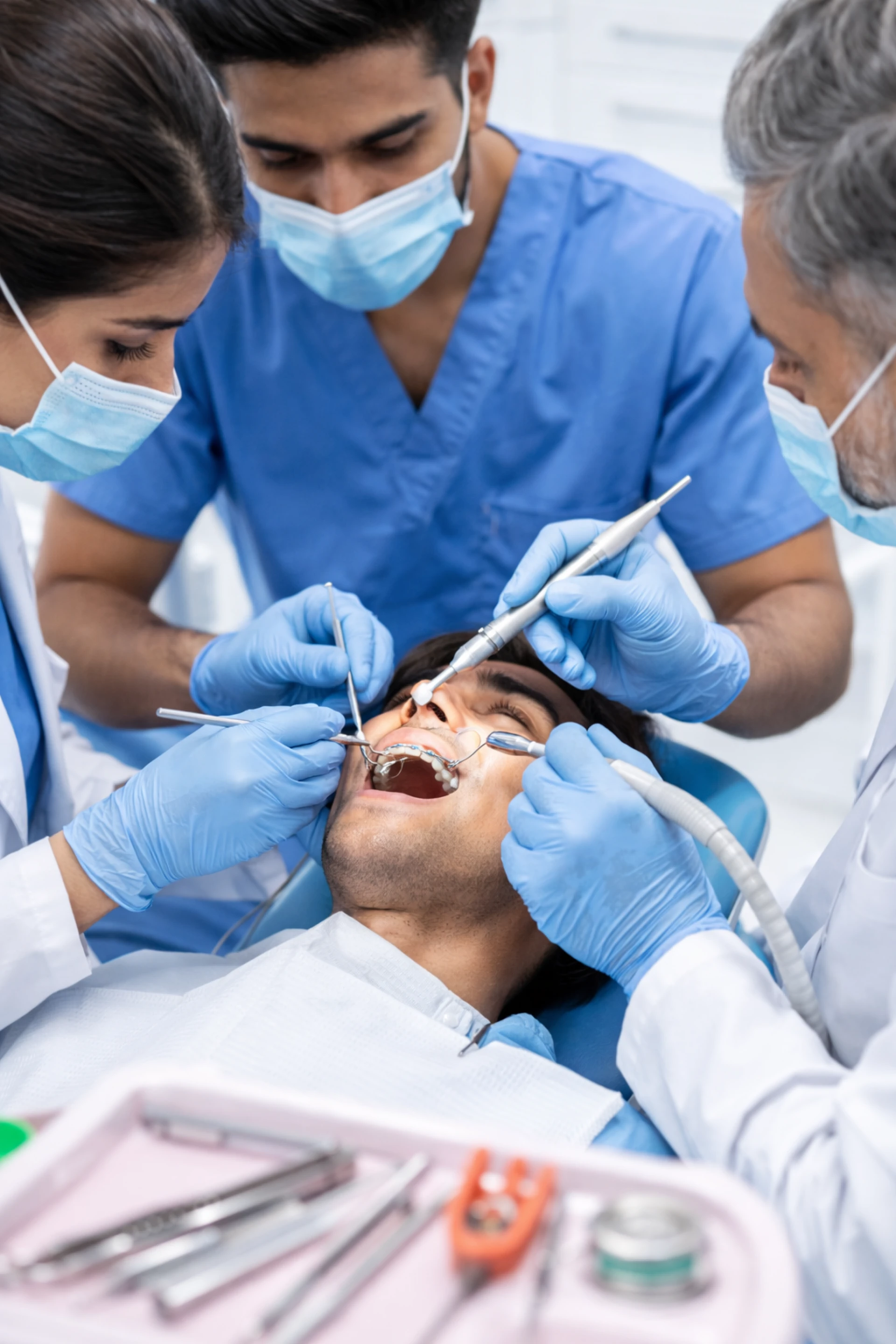
A dental surgeon’s role is often perceived as purely functional, involving extractions or implants. However, in the realm of cosmetic enhancement, their surgical precision is what ensures the longevity of aesthetic treatments. Before any cosmetic work begins, a specialized dental surgeon must evaluate the underlying health of the oral cavity. This includes assessing the bone structure, gum health, and bite alignment to ensure that the patient is a suitable candidate for long-term restoration.
The application of restorative materials is not merely a surface-level procedure; it is a clinical intervention that requires a deep understanding of dental anatomy. Whether the goal is to close a gap (diastema) or mask permanent internal staining, the surgeon’s eye for symmetry and tooth proportion is the deciding factor in the final result.
Understanding the Minimalist Approach to Restoration
Unlike traditional porcelain options that often require significant removal of the natural tooth enamel, modern resin-based solutions offer a more conservative alternative. This procedure involves the application of a tooth-colored material directly onto the surface of the tooth to correct imperfections.
Why Patients Choose Modern Resin Options:
- Single-Visit Transformation: Often referred to as "chairside" procedures, these can frequently be completed in just one appointment.
- Cost-Effectiveness: They provide a high-end look at a more accessible price point compared to lab-fabricated alternatives.
- Reversibility: Because minimal enamel is removed, the process is often easier to update or adjust in the future.
- Instant Repair: If a restoration chips, it can be repaired directly in the mouth without needing to replace the entire unit.
The Medical Science of Dental Bonding
The success of any dental restoration depends on the quality of the bond between the synthetic material and the natural tooth. Surgeons use phosphoric acid to create microscopic pores in the enamel, allowing the bonding agent to flow into these gaps and create a mechanical lock.
According to clinical insights from WebMD, the health of the surrounding gingival (gum) tissue is paramount. If the gums are inflamed or diseased, the margins of the restoration will not seal correctly, leading to "leaks" where bacteria can enter and cause decay underneath the material. This is why a thorough surgical cleaning and periodontal assessment are always the first steps in the process.
The Digital Workflow in Modern Surgery
Advanced surgical clinics now use digital smile design (DSD) to plan aesthetic treatments. This technology allows the surgeon to take high-resolution 3D scans of the patient's mouth and "mock-up" the final result on a screen before any physical work begins.
- Analysis: Checking the "Golden Proportion" of the front teeth to match the patient's facial features.
- Layering: The surgeon meticulously layers different shades of resin to mimic the natural translucency and gradient of human enamel.
- Curing: A specialized high-intensity light is used to harden the material instantly.
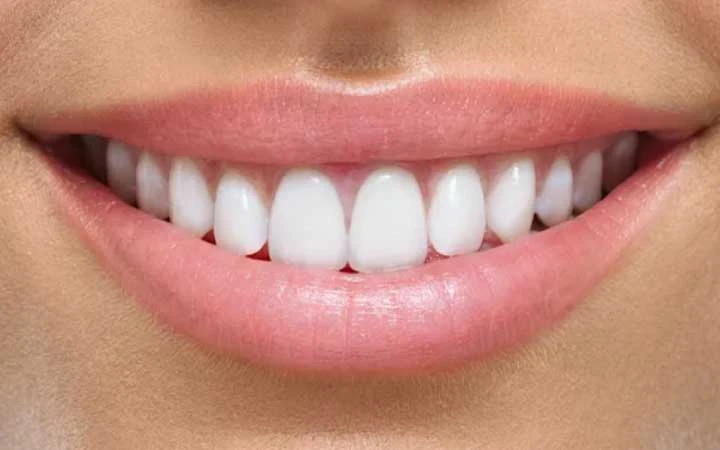
- Polishing: The final step involves high-luster polishing to ensure the material reflects light exactly like a real tooth.
The Connection Between Oral Health and Systemic Wellness
A dental surgeon’s perspective always encompasses the patient’s total health. Missing or damaged teeth can lead to poor nutrition due to chewing difficulties, and chronic oral inflammation is linked to various systemic conditions. By restoring the teeth, surgeons help maintain the "vertical dimension" of the face, preventing the collapsed look that occurs when teeth are worn down over time.
Long-Term Maintenance for a Lasting Smile
While modern restorative resins are durable, they are not as hard as porcelain or natural enamel. Surgeons emphasize that lifestyle choices play a significant role in the lifespan of the restoration. To keep your new smile looking its best, patients are advised to:
- Avoid biting into very hard objects (like ice or hard candy).
- Reduce the intake of staining agents like coffee, red wine, and tobacco.
- Utilize a non-abrasive fluoride toothpaste to maintain the surface polish.
- Wear a protective nightguard if they have a history of teeth grinding (bruxism).
Frequently Asked Questions
Q: Do resin-based restorations look natural? A: Yes. Modern materials contain "nanofillers" that allow them to be polished to a mirror-like finish that blends seamlessly with neighboring teeth.
Q: Is the procedure painful? A: Most patients do not even require local anesthesia for this type of work, as the procedure is non-invasive and primarily involves surface preparation.
Q: How long do these restorations typically last? A: With proper maintenance and regular visits to your dental surgeon, they typically last between 5 to 7 years before needing a refresh or replacement.
Conclusion: A Masterpiece of Precision
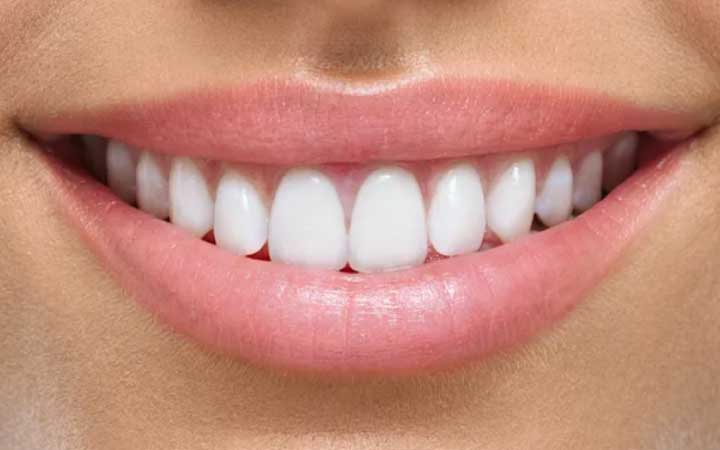
The transformation of a smile is one of the most rewarding aspects of modern dentistry. By combining the artistic touch of aesthetic resin layering with the clinical expertise of a professional, patients can achieve a radiant, healthy smile that improves both their appearance and their quality of life. These treatments represent the perfect balance of modern technology and conservative medical practice—providing an immediate solution for those who value both their health and their confidence.



























Sign in to leave a comment.