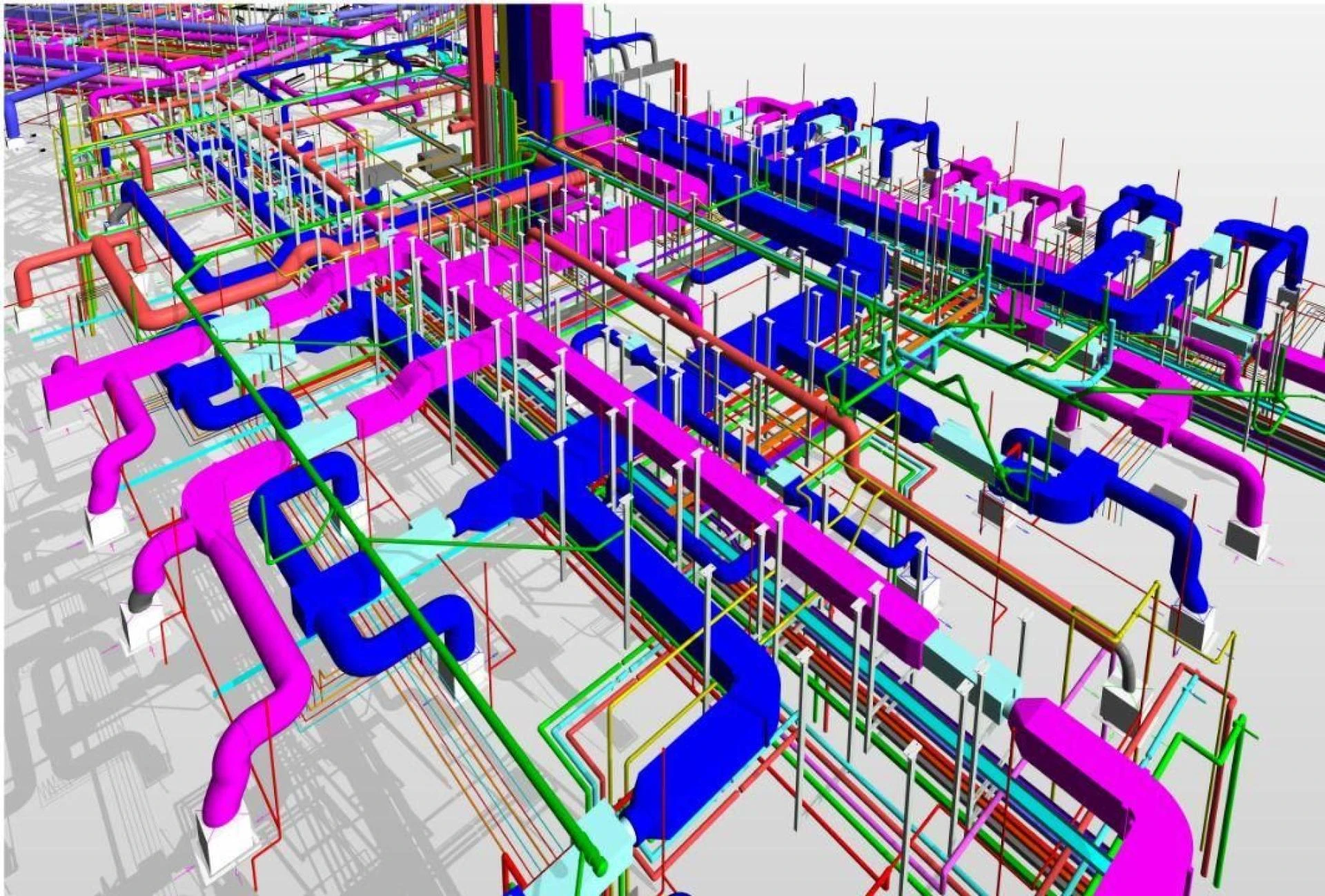

The construction industry is an intricate dance of coordination, precision, and innovation. Among the many critical components that bring a building to life, MEP services stand as the backbone of functionality and comfort. MEP, which stands for mechanical, electrical, and plumbing, is an integral part of the construction process, ensuring that buildings are safe, efficient, and livable. This article delves into the complexities and significance of MEP services in modern construction, shedding light on how these essential systems contribute to the overall success of a project.
What Are MEP Services?
MEP services encompass a wide range of tasks and systems within a building. Each component plays a unique role in creating an environment that meets both the aesthetic and practical needs of its occupants.
Mechanical Systems: These include heating, ventilation, and air conditioning (HVAC) systems, which are essential for maintaining indoor air quality and comfort. Mechanical systems also cover elevators, escalators, and fire suppression systems, ensuring both convenience and safety.
Electrical Systems: This area involves the installation and maintenance of power supply systems, lighting, telecommunications, and security systems. Electrical systems are crucial for providing a reliable and safe source of energy to all parts of the building.
Plumbing Systems: Plumbing covers the installation and maintenance of water supply and drainage systems. It includes the design and implementation of piping, fixtures, and fittings necessary for the distribution of clean water and the removal of wastewater.
The Importance of MEP Services in Construction
The significance of MEP services in construction cannot be overstated. These systems are vital for the functionality, safety, and efficiency of any building. Here are some key reasons why MEP services are essential:
1. Ensuring Comfort and Health
One of the primary functions of MEP services is to create a comfortable and healthy environment for building occupants. HVAC systems, for instance, regulate temperature and humidity levels, ensuring that indoor spaces are comfortable regardless of the weather outside. Proper ventilation is also crucial for maintaining indoor air quality, reducing the risk of respiratory issues and other health problems.
2. Enhancing Safety
MEP services include the installation of fire suppression systems, emergency lighting, and security systems. These features are critical for protecting the lives and property of building occupants. In the event of an emergency, well-designed MEP systems can significantly reduce the risk of injury or loss of life.
3. Improving Energy Efficiency
Modern MEP services are designed with energy efficiency in mind. Efficient HVAC systems, LED lighting, and advanced electrical systems can significantly reduce a building's energy consumption. This not only lowers operating costs but also minimizes the environmental impact of the building.
4. Facilitating Building Operations
Without reliable MEP services, the day-to-day operations of a building would be impossible. Electrical systems provide the power needed for lighting, computers, and other essential equipment. Plumbing systems ensure a steady supply of clean water for drinking, cooking, and sanitation. Mechanical systems, such as elevators and escalators, enable the smooth movement of people and goods within the building.
The Role of MEP Engineers
MEP engineers play a crucial role in the design, installation, and maintenance of MEP systems. Their expertise ensures that these systems are efficient, reliable, and compliant with all relevant codes and standards. Here are some of the key responsibilities of MEP engineers:
1. Design and Planning
MEP engineers are involved in the initial design and planning stages of a construction project. They work closely with architects and other stakeholders to develop MEP systems that meet the specific needs of the building. This involves creating detailed plans and specifications, selecting appropriate materials and equipment, and ensuring that all systems are integrated seamlessly into the overall design.
2. Installation and Commissioning
Once the design is complete, MEP engineers oversee the installation of the systems. This includes coordinating with contractors, inspecting the installation work, and conducting tests to ensure that all systems are functioning correctly. Commissioning is a critical step that verifies that the MEP systems meet the design specifications and are ready for use.
3. Maintenance and Upgrades
MEP engineers are also responsible for the ongoing maintenance and upgrading of MEP systems. Regular maintenance is essential for ensuring that the systems continue to operate efficiently and reliably. When necessary, MEP engineers can also design and implement upgrades to improve the performance of existing systems or to comply with new regulations.
The Future of MEP Services
The field of MEP services is constantly evolving, driven by advances in technology and changing environmental standards. Here are some of the trends and innovations shaping the future of MEP services:
1. Sustainable Design
Sustainability is a major focus in modern construction, and MEP services are no exception. Engineers are increasingly incorporating sustainable practices into their designs, such as using energy-efficient equipment, renewable energy sources, and water-saving fixtures. Green building certifications, such as LEED and BREEAM, also play a significant role in promoting sustainable MEP designs.
2. Building Information Modeling (BIM)
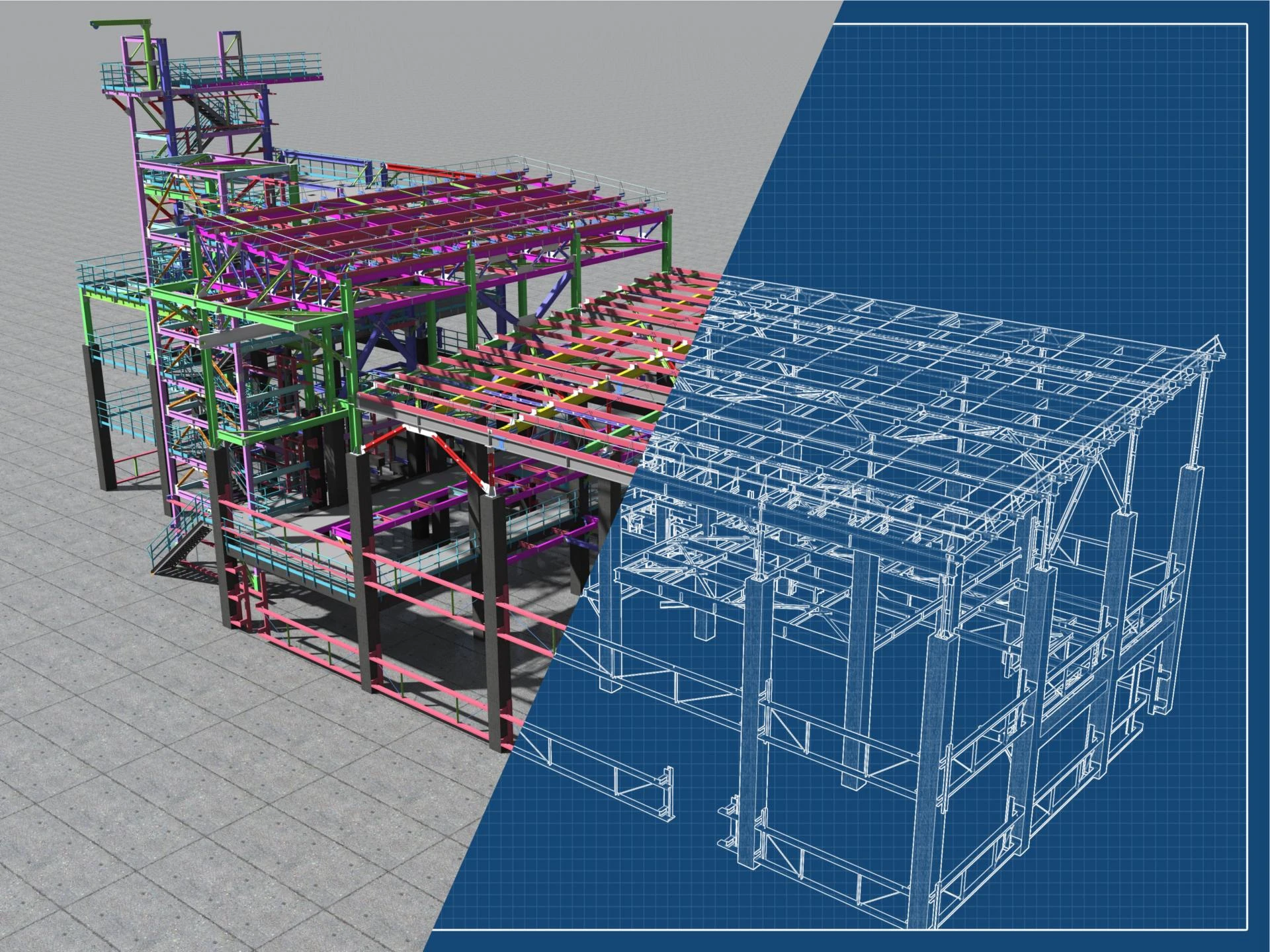
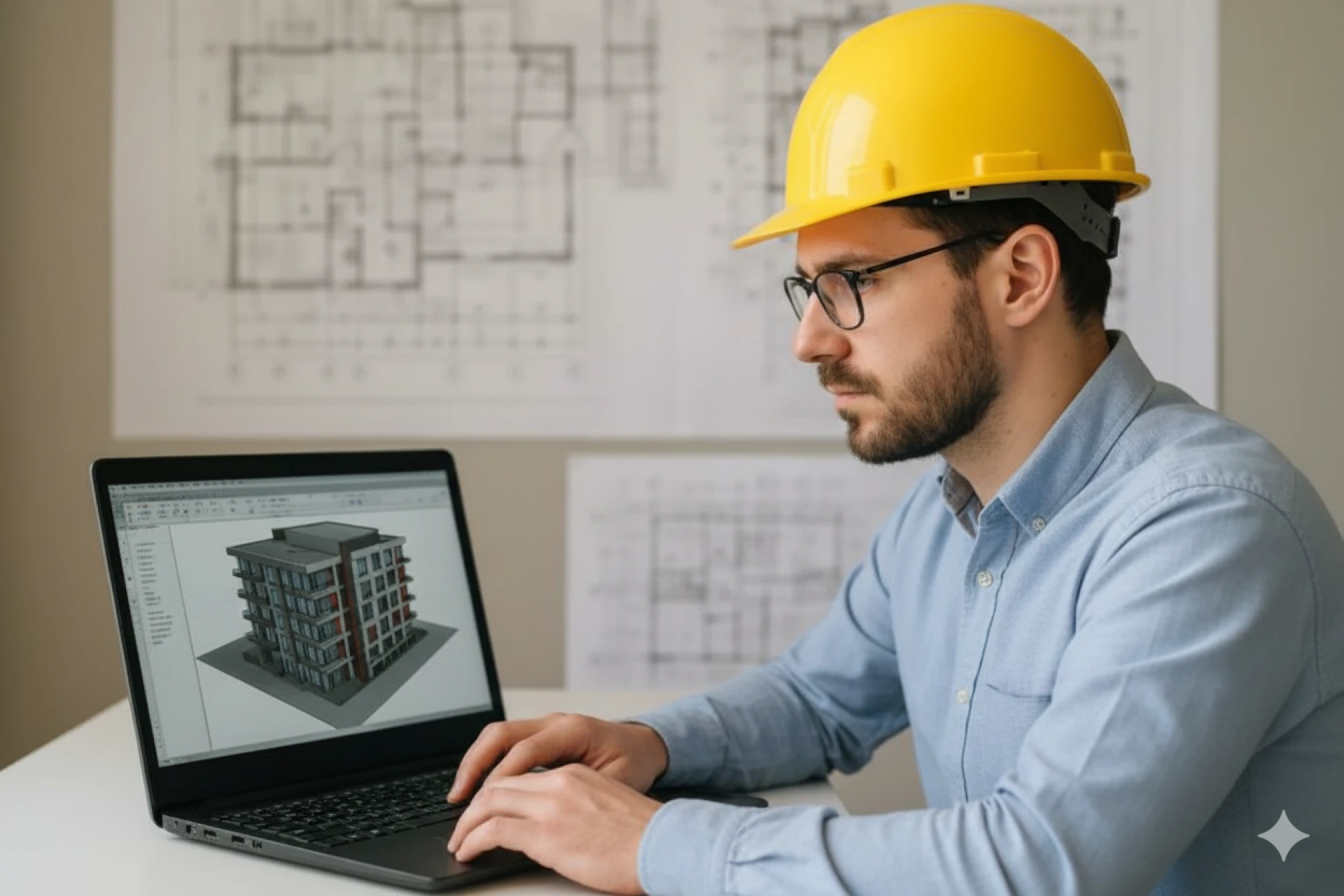
Building Information Modeling (BIM) is revolutionizing the construction industry by providing a digital representation of a building's physical and functional characteristics. BIM allows MEP engineers to create detailed 3D models of their systems, facilitating better collaboration, coordination, and visualization. This technology helps to identify potential issues early in the design process, reducing the risk of costly mistakes during construction.
3. Smart Buildings
The rise of smart buildings is another significant trend in MEP services. Smart buildings use advanced technologies, such as the Internet of Things (IoT), to monitor and control various building systems. This allows for real-time optimization of HVAC, lighting, and security systems, improving energy efficiency and occupant comfort. Smart building technologies also enable predictive maintenance, reducing the likelihood of system failures and minimizing downtime.
4. Resilience and Adaptability
As climate change continues to impact the built environment, there is a growing emphasis on designing MEP systems that are resilient and adaptable. Engineers are developing systems that can withstand extreme weather events, such as hurricanes and floods, and that can adapt to changing conditions over time. This includes incorporating redundancy and flexibility into the design, ensuring that buildings can continue to operate effectively in the face of unexpected challenges.
Conclusion
MEP services are the backbone of modern construction, providing the essential systems that make buildings safe, comfortable, and efficient. From HVAC and electrical systems to plumbing and fire suppression, MEP services play a critical role in every aspect of a building's functionality. The expertise of MEP engineers is vital for designing, installing, and maintaining these systems, ensuring that they meet the highest standards of performance and reliability.
As technology continues to advance and environmental standards become more stringent, the field of MEP services is evolving rapidly. Sustainable design, Building Information Modeling, smart buildings, and resilient systems are just a few of the trends shaping the future of MEP services. By staying at the forefront of these developments, MEP engineers can continue to deliver innovative solutions that meet the needs of modern construction projects.
In conclusion, the importance of MEP services in the construction industry cannot be overstated. These systems are the lifeblood of any building, enabling it to function efficiently and effectively. As we look to the future, the continued evolution of MEP services will play a crucial role in creating buildings that are not only functional and safe but also sustainable and resilient.



























Sign in to leave a comment.