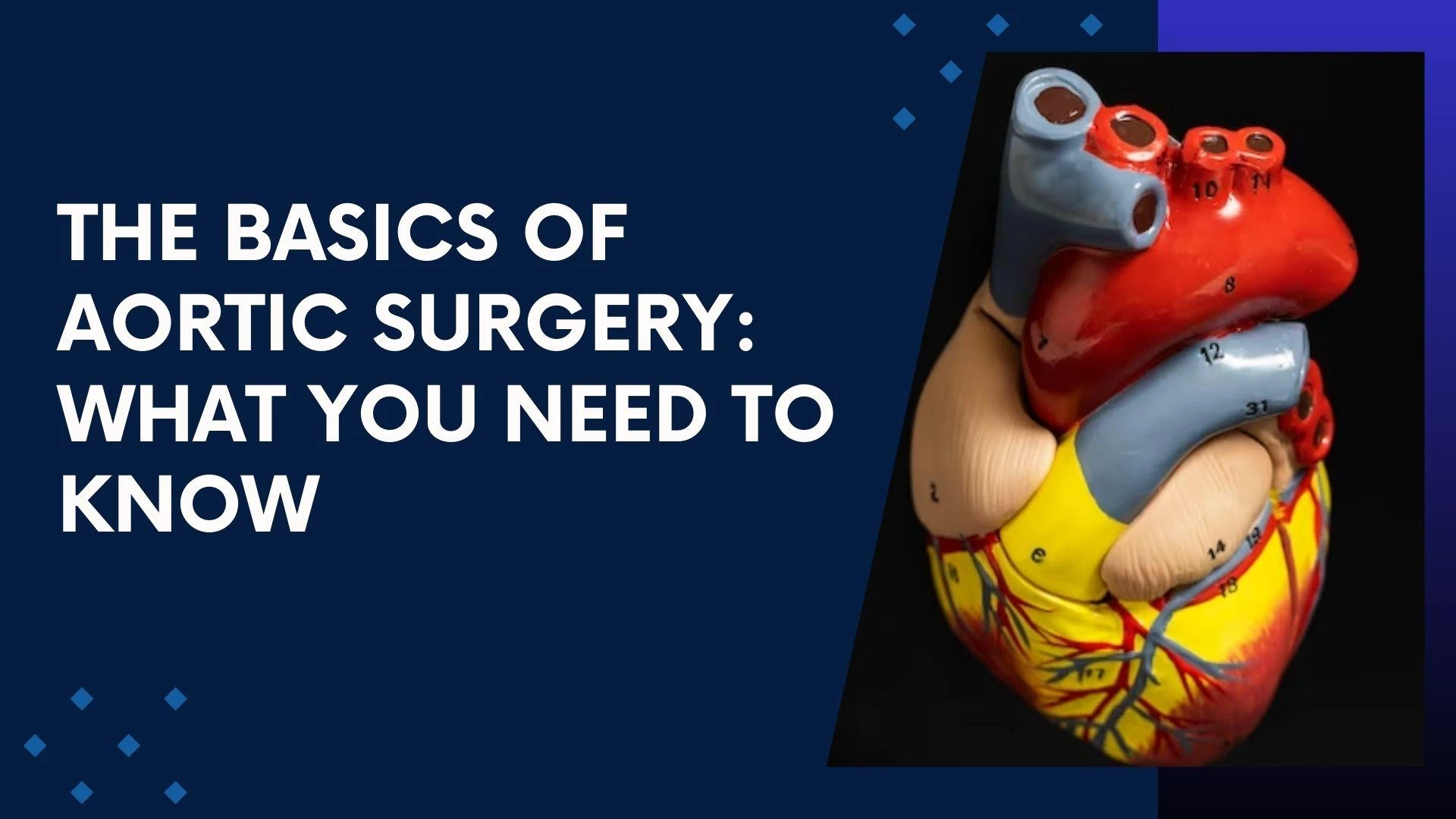

Aortic surgery is a medical procedure that involves repairing or replacing the aorta, the largest artery in the body, which carries oxygenated blood from the heart to the rest of the body. Aortic surgery can be a life-saving intervention, but it's essential to understand the basics of this procedure, including its types, reasons, and potential risks.
Types of Aortic Surgery
1. Aortic Aneurysm Repair:
- An aortic aneurysm is a weakened or bulging area in the aorta, which can be life-threatening if it ruptures.
- Surgery involves removing the damaged section and replacing it with a synthetic graft or using the patient's own tissue.
- Abdominal and thoracic aortic aneurysms are the two primary types, with different surgical approaches.
2. Aortic Valve Replacement:
- This surgery is performed when the aortic valve, responsible for blood flow from the heart to the aorta, is damaged or diseased.
- The damaged valve is replaced with a mechanical or biological valve.
3. Aortic Dissection Repair:
- Aortic dissection occurs when the layers of the aorta's wall separate, creating a tear or a false lumen.
- Surgery is necessary to repair the tear and reinforce the aorta's wall.
4. Endovascular Aortic Repair (EVAR):
- EVAR is a minimally invasive procedure used to treat aortic aneurysms.
- A stent graft is inserted through small incisions in the groin and guided to the aneurysm site, reinforcing the aortic wall.
Reasons for Aortic Surgery
1. Aortic Aneurysm:
- Prevents the risk of rupture, which can be fatal.
- Reduces the risk of blood clots forming within the aneurysm.
2. Aortic Valve Disease:
- Restores normal blood flow from the heart to the aorta.
- Alleviates symptoms like chest pain, shortness of breath, and fatigue.
3. Aortic Dissection:
- Prevents further tearing and life-threatening complications.
- Restores normal blood flow.
4. Other Aortic Conditions:
- Surgery may be necessary for congenital defects, traumatic injuries, or infections affecting the aorta.
Risks and Complications
Aortic surgery, like any major medical procedure, carries risks. These may include:
1. Infection: There is a risk of infection at the surgical site or within the implanted graft.
2. Bleeding: Post-surgery bleeding can occur and may require additional procedures.
3. Blood Clots: Patients may be at an increased risk of blood clots, which can lead to stroke or other complications.
4. Anesthesia Risks: Complications related to anesthesia can occur, although they are rare.
5. Graft Complications: Problems with the graft, such as leaks or blockages, can develop over time.
6. Organ Damage: Damage to nearby organs or structures during surgery is possible.
Recovery and Rehabilitation
Recovery from aortic surgery varies depending on the type of procedure and the patient's overall health. In general:
- Hospitalization is typically required for a few days to a couple of weeks.
- Rehabilitation may be necessary to regain strength and mobility.
- Long-term follow-up with a healthcare provider is essential to monitor the patient's progress.
Aortic surgery is a complex but often life-saving procedure. Understanding the types of surgery, reasons for the procedure, potential risks, and the recovery process is crucial for patients and their families. If you or a loved one is facing aortic surgery, consult with an Aortic Valve Replacement Surgeons in Coimbatore who can provide personalized information and guidance based on your specific situation.




























Sign in to leave a comment.