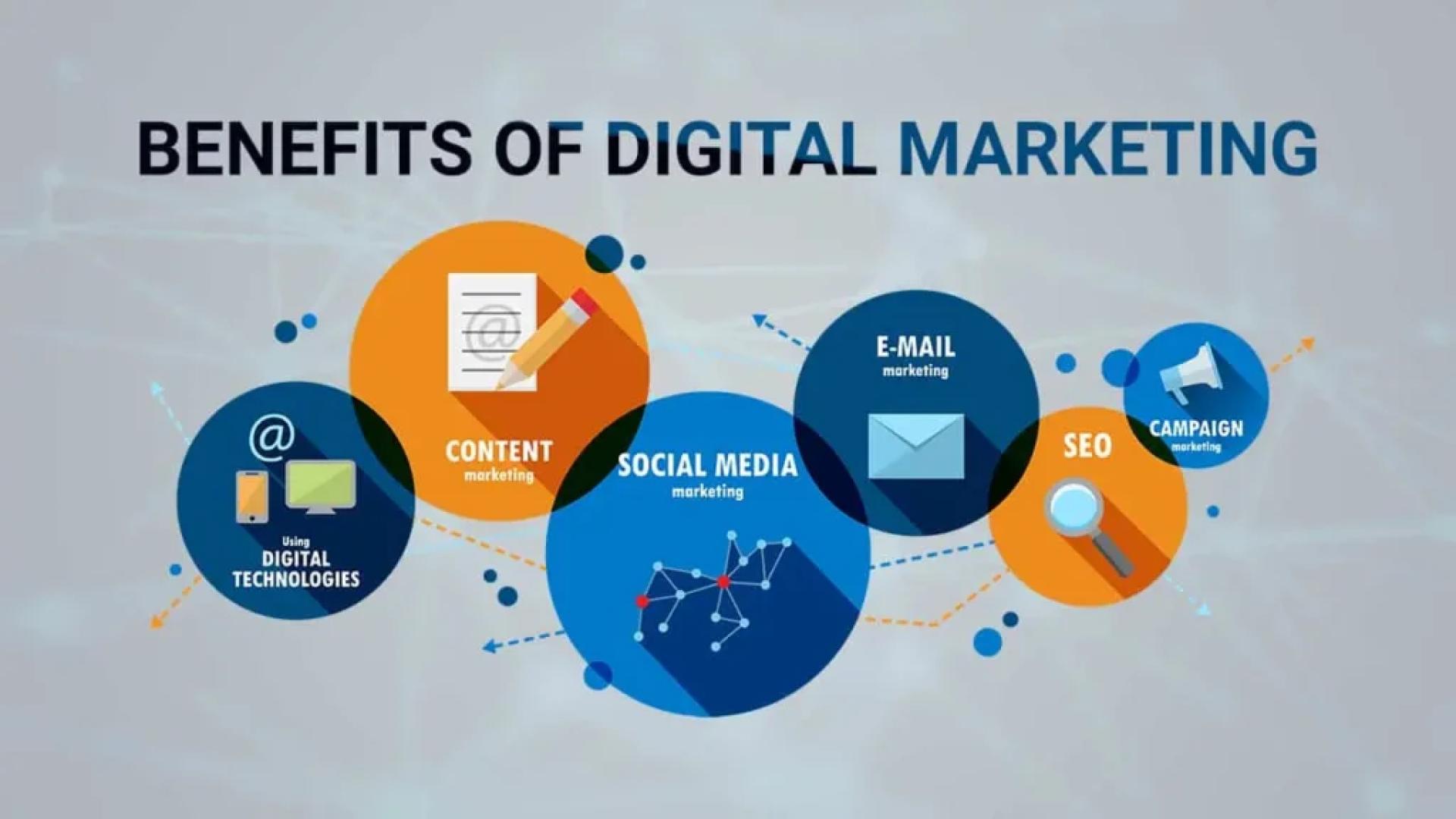

In today’s fast-paced digital world, businesses of all sizes are increasingly turning to digital marketing to reach and engage with their target audiences. Unlike traditional marketing methods, which rely on physical materials or face-to-face interactions, digital marketing uses online platforms and tools to promote products or services. As technology continues to evolve, digital marketing has become an essential strategy for success.
In this article, we will explore the key benefits of digital marketing and why it has become a game-changer for businesses in virtually every industry.
1. Cost-Effective
One of the biggest advantages of digital marketing is its cost-effectiveness. Traditional marketing methods, such as television ads, print media, and billboards, often come with high production and placement costs. In contrast, digital marketing can offer a range of budget-friendly options, such as social media advertising, content marketing, and email campaigns, which are far less expensive but still highly effective.
Small businesses, startups, and entrepreneurs can compete on an even playing field with larger companies, thanks to the relatively low cost of digital marketing strategies. The ability to set your own budget for campaigns and the flexibility to scale them up or down makes digital marketing an accessible tool for any business.
2. Targeted Audience Reach
Unlike traditional marketing, which often casts a wide net, digital marketing allows you to precisely target specific demographics. Whether based on age, location, interests, or online behavior, digital marketing platforms like Google Ads, Facebook Ads, and email marketing allow businesses to deliver tailored messages directly to those who are most likely to engage with their products or services.
For example, a clothing brand can target fashion-conscious individuals aged 18–34 in a particular city, ensuring their ads are shown only to those who are more likely to make a purchase. This level of targeting minimizes wasted ad spend and improves conversion rates.
3. Measurable Results and Analytics
With digital marketing, businesses can track the performance of their campaigns in real-time. Platforms like Google Analytics and social media insights provide valuable data on key metrics, including website traffic, engagement, conversion rates, and return on investment (ROI). This allows marketers to gauge the success of their efforts, identify what’s working, and adjust strategies for better results.
The ability to measure and analyze results enables businesses to make informed decisions, optimize their campaigns, and improve their marketing strategies continuously.
4. Global Reach
One of the greatest advantages of digital marketing is its ability to break down geographical barriers. With the internet, businesses can connect with potential customers from around the world, opening up global markets without the high costs of international expansion.
For example, an e-commerce store can sell products to consumers in different countries without needing to set up physical stores or deal with the logistical challenges of international shipping. Digital marketing makes it easier to target international audiences, increase brand awareness, and drive global sales.
5. Increased Engagement and Interaction
Digital marketing fosters two-way communication between businesses and their customers. Social media platforms, emails, and interactive content allow consumers to engage directly with brands, whether it’s through comments, likes, shares, or direct messages.
This increased interaction helps build stronger relationships between brands and their customers. Companies can respond to queries, address concerns, and receive feedback in real-time, which ultimately improves customer satisfaction and loyalty.
6. Enhanced Brand Awareness
Building brand awareness is a critical goal for any business, and digital marketing offers a variety of ways to achieve it. Social media platforms, search engine optimization (SEO), and content marketing all play key roles in boosting a brand's visibility.
When businesses create valuable content, engage with their audiences on social media, and optimize their websites for search engines, they increase their chances of being discovered by potential customers. Over time, this helps build a strong online presence and makes it easier for consumers to find and recognize the brand.
7. Flexibility and Adaptability
One of the key benefits of digital marketing is its flexibility. Digital campaigns can be launched quickly, adjusted in real-time, and optimized for better performance. For instance, if a particular ad isn't performing well, it can be modified or paused without losing significant time or money.
In contrast, traditional marketing methods like print or TV ads are much less flexible. Once an ad is printed or aired, it's almost impossible to make changes. Digital marketing, on the other hand, allows businesses to pivot their strategies swiftly, test new ideas, and refine their approach based on immediate feedback.
8. Personalization Opportunities
Consumers are increasingly looking for personalized experiences when interacting with brands. Digital marketing enables businesses to create highly personalized content and advertisements based on customer behavior, preferences, and demographics.
For example, an online retailer might send personalized email recommendations based on a customer's previous purchases, or a brand may offer discounts to users who have abandoned their shopping carts. Personalization can help businesses foster a deeper connection with their audience and increase the likelihood of conversion.
9. Increased Sales Opportunities
Digital marketing opens up multiple channels for driving sales, whether through e-commerce websites, online marketplaces, or social media platforms. By reaching consumers where they spend most of their time—on their phones, computers, and tablets—businesses can generate more opportunities to convert leads into customers.
With strategies like retargeting ads, email marketing campaigns, and social media promotions, businesses can continue to nurture leads through the entire sales funnel, from awareness to consideration to final purchase.
10. Builds Trust and Credibility
By consistently delivering valuable, informative, and engaging content, businesses can establish themselves as thought leaders in their industry. Offering helpful blog posts, educational videos, and responding to customer reviews all contribute to building a trustworthy and credible online presence.
As customers increasingly turn to the internet for information and recommendations, businesses with strong digital marketing efforts can earn their trust and build long-term relationships.
Conclusion
The benefits of digital marketing are undeniable, from its cost-effectiveness and targeted reach to its ability to measure results and foster customer engagement. By embracing digital marketing strategies, businesses can stay competitive, grow their customer base, and achieve long-term success in the digital era.
Whether you're a small startup or a large corporation, integrating digital marketing into your overall strategy is essential for achieving your business goals. The digital landscape is constantly evolving, and businesses that adapt to these changes will be the ones to thrive in the future.




























Sign in to leave a comment.