
Introduction:
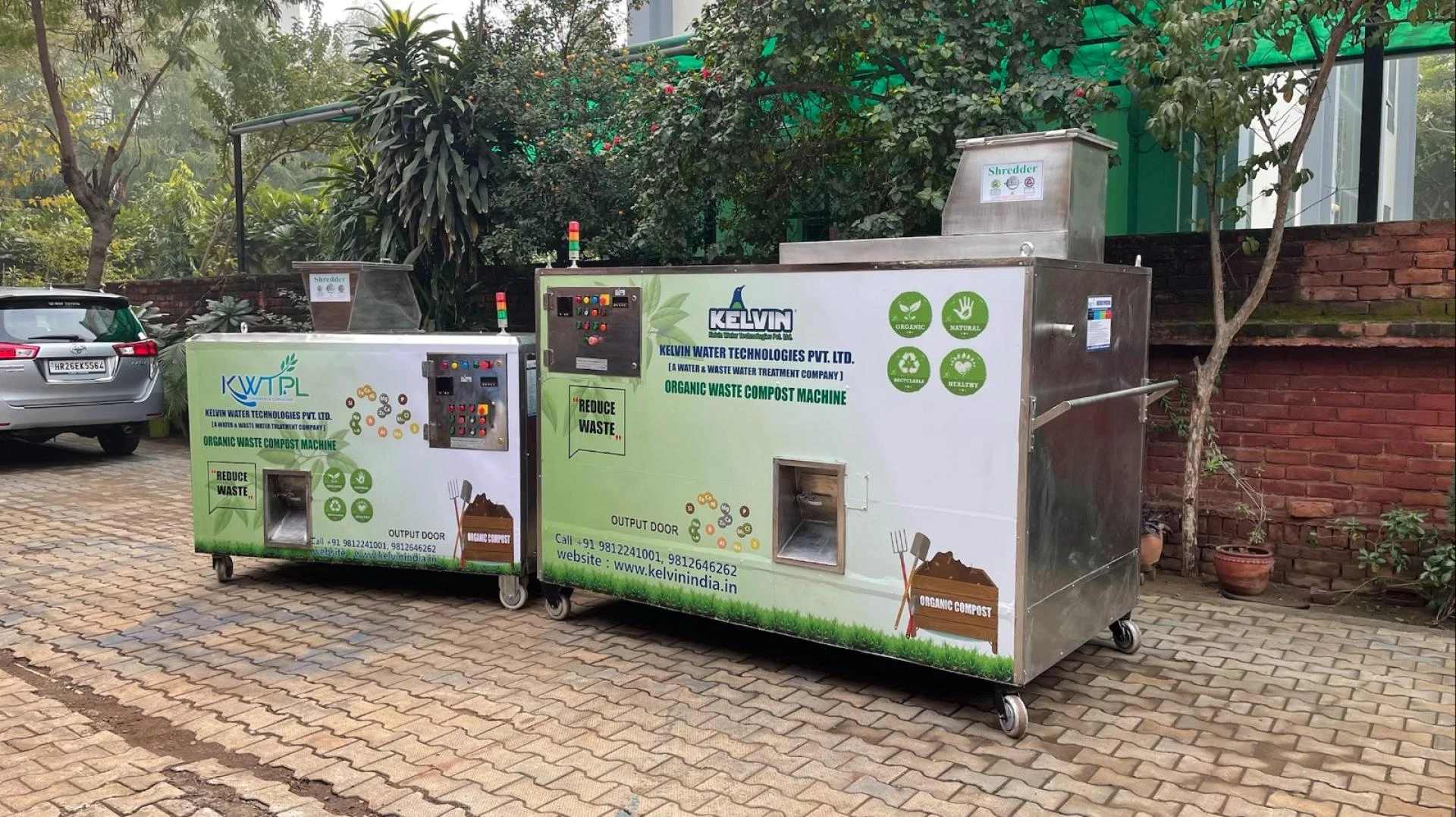
Organic waste, which includes food scraps, yard trimmings, and other biodegradable materials, constitutes a significant portion of the waste generated worldwide. As landfill space becomes scarce and concerns over greenhouse gas emissions grow, composting offers a sustainable solution to managing this waste. Organic waste composter, devices designed to convert organic material into nutrient-rich compost, are becoming increasingly popular among households, businesses, and municipalities. This article explores the benefits, types, and applications of organic waste composters.
The Importance of Composting Organic Waste:
Composting with OWC composting machine is an eco-friendly process that transforms organic waste into compost—a valuable soil amendment rich in nutrients. This process not only reduces the volume of waste sent to landfills but also mitigates the release of methane, a potent greenhouse gas, from decomposing organic matter. Compost enriches the soil, enhances water retention, and supports healthy plant growth, making it an essential component of sustainable agriculture and gardening practices.
Types of Organic Waste Composters
Home Composters:Compost Bins: Simple, static containers made from plastic or metal. They are suitable for small-scale composting of kitchen scraps and garden waste. Users add organic materials and occasionally turn the pile to aerate it.Tumbler Composters: These enclosed units feature a rotating drum, allowing easy mixing and aeration of the composting materials. Tumbler composters are efficient, producing compost faster than static bins. Advanced Composters:Worm Composters (Vermicomposters): These use specific types of worms, like red wigglers, to break down organic waste. The worms consume the waste and produce nutrient-rich castings, which are excellent for soil health.Electric Composters: These high-tech devices use electricity to accelerate the composting process. They often include features such as grinding mechanisms, heating elements, and air filtration systems to manage odors. Electric composters can process a wide range of organic materials, including meat and dairy products. Industrial and Commercial Composters:In-Vessel Composting Systems: Large, enclosed systems designed for processing large quantities of organic waste. These systems are used by municipalities, farms, and commercial establishments. They provide precise control over environmental conditions, such as temperature and moisture, to optimize the composting process.Windrow and Aerated Static Pile Composting: Commonly used for large-scale composting, these methods involve piling organic waste in long rows (windrows) or static piles. The piles are turned or aerated to maintain optimal conditions for decomposition.Benefits of Using Organic Waste Composters:
Environmental Benefits:Reduction of Landfill Waste: Diverting organic waste from landfills reduces the volume of waste, conserves landfill space, and minimizes the environmental impact of waste disposal.Greenhouse Gas Reduction: Composting organic waste with waste converter machine prevents methane production, a potent greenhouse gas, from anaerobic decomposition in landfills.Soil Health Improvement: Compost improves soil structure, fertility, and water retention, promoting healthy plant growth and reducing the need for chemical fertilizers. Economic Benefits:Cost Savings: For households and businesses, composting can reduce waste disposal costs and the need for purchased fertilizers.Revenue Generation: Commercial composting facilities can sell high-quality compost to farmers, landscapers, and gardeners, providing an additional revenue stream. Educational and Community Benefits:Public Awareness: Community composting programs raise awareness about sustainable waste management practices and environmental stewardship.Community Engagement: Composting initiatives can bring communities together, fostering a sense of shared responsibility for environmental health.Conclusion:
OWC machine offers a practical and sustainable solution to managing organic waste, transforming it into a valuable resource for improving soil health and reducing environmental impact. Whether at the household, commercial, or municipal level, investing in composting technology is a step toward a greener, more sustainable future. As more people and organizations adopt composting practices, the benefits for the environment, economy, and community will continue to grow, making composting an integral part of global waste management strategies.


























Sign in to leave a comment.