

Static stretching is one of those habits that feels simple, but pays off in a big way over time. If your body often feels tight, sore after workouts, or stiff from long hours sitting, static stretching can be a practical tool for recovery and injury prevention. At Your Body Hub, our allied health team regularly encourages it as part of a balanced routine because it supports flexibility, mobility, and better movement quality day to day.
What is Static Stretching?
Static stretching is when you move a muscle into a lengthened position and hold it still, usually for 15 to 60 seconds. There’s no bouncing and no repeated movement. You simply ease into the stretch, find a point of mild tension, and breathe while the muscle relaxes.
Unlike dynamic stretching, which is great before exercise as a warm up, static stretching is usually best after exercise or later in the day when your muscles are already warm. This helps promote muscle relaxation and can support better recovery.
Key Benefits of Static Stretching
Improved Flexibility
Regular static stretching helps lengthen muscles over time, which improves flexibility. That makes everyday movements easier, whether you are training hard, chasing kids, or just trying to feel less restricted when you bend, reach, or squat.
Enhanced Range of Motion
When flexibility improves, joint range of motion often improves too. This can help you move with better technique and less compensation, which matters for both performance and comfort. Even small improvements in range of motion can reduce feelings of stiffness and help you feel more “free” in your body.
Reduced Muscle Tension and Stress
Stretching can be surprisingly calming. Holding positions while breathing slowly helps your nervous system downshift, which can reduce muscle tension that builds from stress. For many people, it also helps with that end-of-day tightness around the shoulders, hips, and lower back.
Injury Prevention
Tight muscles are more likely to strain, especially when you suddenly ask them to do more than they are ready for. Static stretching helps maintain muscle elasticity and supports healthier movement patterns. This can reduce the risk of common issues like muscle strains, joint pain, and overuse injuries.
Enhanced Post-Exercise Recovery
After training, static stretching can support recovery by encouraging blood circulation and easing that “locked up” feeling. It will not replace good sleep, nutrition, or smart training loads, but it is a useful add-on if soreness and tightness regularly get in your way.
Incorporating Static Stretching into Your Routine
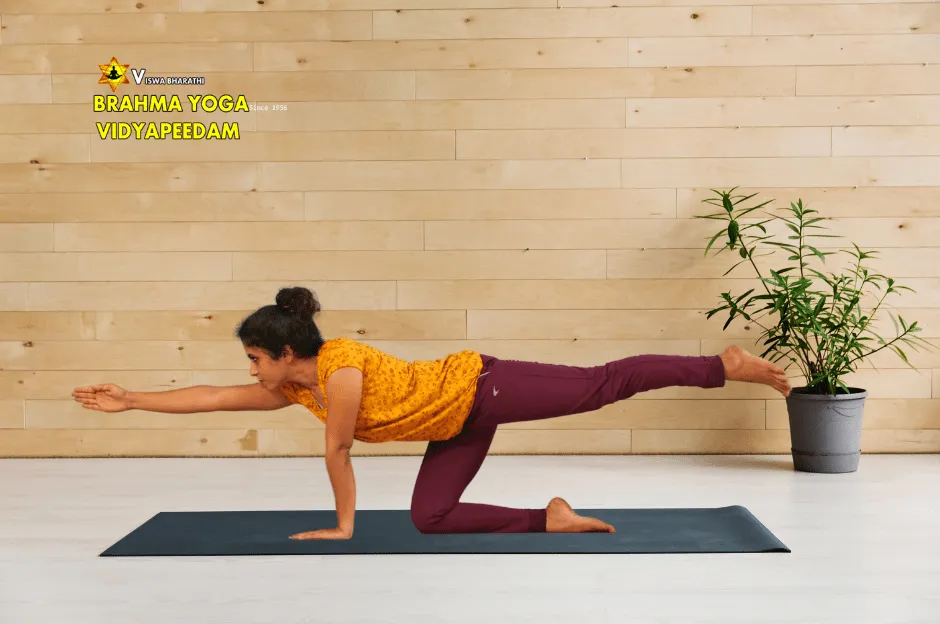
To get results without overthinking it, keep it consistent and simple. Stretch after exercise when muscles are warm. Hold each stretch for 20 to 30 seconds. Focus on major muscle groups like hamstrings, quads, calves, hip flexors, glutes, chest, shoulders, and the lower back. Breathe deeply and avoid pushing into pain. You should feel mild to moderate tension, not sharp discomfort.
How Your Body Hub Can Help
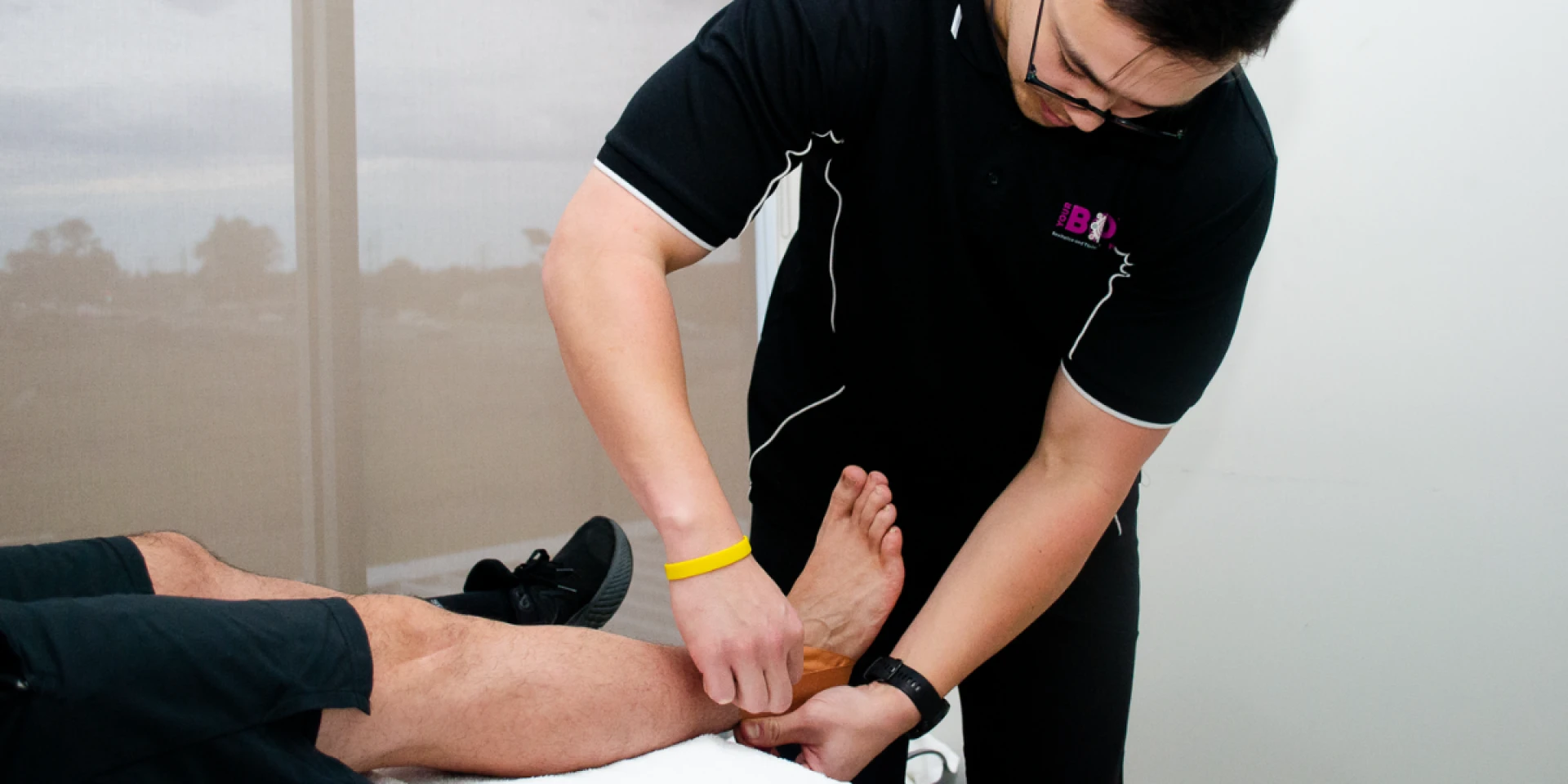
If you’re not sure what to stretch, or you keep getting the same tight spots and injuries, that’s where a tailored plan helps. Your Body Hub supports recovery and mobility through Exercise Physiology, Physiotherapy, and Myotherapy and Remedial Massage, with stretching often built into rehab and performance programs. The goal is not just to stretch more, but to stretch the right areas for your body and your movement needs.
Conclusion
Static stretching is a straightforward way to improve flexibility, support muscle recovery, and lower your risk of injury. If you want guidance on the best stretches for your body, or you’re returning from an injury and want a structured plan, visit us to book an appointment.








Sign in to leave a comment.