
Ask most people whether they have circulation problems and they'll probably say no. Circulation problems are for older people, or people with specific medical conditions, or people whose hands turn blue in the cold. Not for average, reasonably healthy adults just living their normal lives.
Except that mild, chronic circulation insufficiency is far more common than people realize — and it often doesn't announce itself with dramatic symptoms. Instead it shows up as things people tend to explain away: cold hands and feet that take a long time to warm up, persistent puffiness around the ankles by the end of the day, muscle stiffness that doesn't resolve as quickly as it used to, tissue that feels generally sluggish in how it responds and recovers.
None of these are alarming on their own. But they're worth paying attention to.
What Circulation Actually Does
Circulation does more than most people give it credit for. Obviously it delivers oxygen to tissues — that's the obvious one. But it also delivers nutrients needed for cellular repair, removes inflammatory byproducts and metabolic waste from tissues, regulates temperature across different parts of the body, and supports the immune response in localized areas.
When circulation to a particular area is suboptimal — not dramatically impaired, just not as efficient as it could be — all of those functions are slightly compromised. Tissues recover more slowly. Inflammatory byproducts clear more slowly. Temperature regulation in the extremities becomes less efficient.
Over time, poor circulation to specific areas can contribute to the kind of chronic, low-grade tissue changes that show up as persistent stiffness, slow recovery, and a general sense that things just don't bounce back the way they used to.
Who's Most at Risk for Mild Circulation Issues
You don't have to have a specific medical condition to experience suboptimal circulation in certain areas. A few common patterns:
Prolonged sitting. Long periods in a seated position compress tissues in the thighs and buttocks, reduce circulation to the lower legs, and minimize the muscular pumping action that supports venous return from the legs. This is why ankles tend to swell on long flights and why sitting all day consistently contributes to leg heaviness and stiffness.
Cold or sedentary work environments. Both cold temperatures and prolonged inactivity reduce peripheral circulation — the body prioritizes core warmth and reduces blood flow to extremities when it's cold, and muscular activity is one of the main drivers of circulation to peripheral areas.
Previous injuries. Areas that have previously been injured — particularly joints and surrounding soft tissue — often have subtly compromised circulation compared to uninjured tissue, which contributes to their tendency to be more prone to ongoing stiffness and slower recovery.
How Near-Infrared Light Supports Circulation
One of the more well-documented effects of near-infrared light at therapeutic wavelengths is vasodilation — the widening of blood vessels in the tissue being targeted. This increases local blood flow and, with it, all the benefits that come with improved circulation: better oxygen and nutrient delivery, more efficient clearance of inflammatory byproducts, and improved tissue recovery capacity.
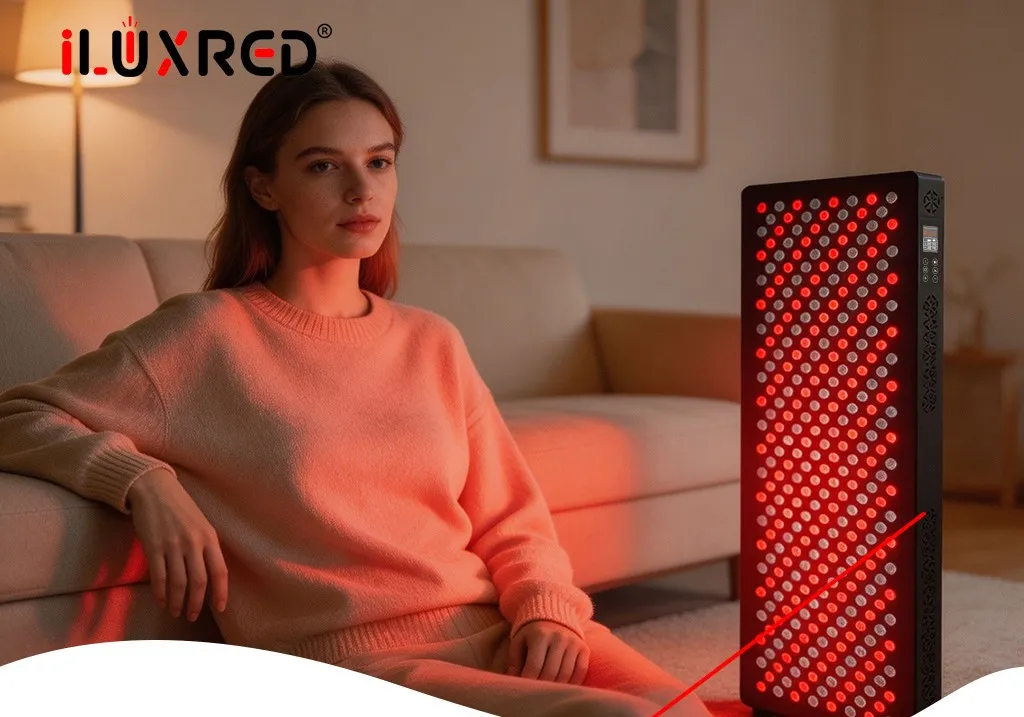
This is part of why panel use tends to feel noticeably warming — not because the light itself is generating significant heat, but because increased local circulation is genuinely warming the tissue from within.
For people dealing with the kinds of slow, accumulated stiffness and poor recovery that often reflect mild circulation issues, regular panel sessions targeting affected areas provide a consistent circulation stimulus that complements movement-based approaches. A panel from established Red Light Therapy Panel Manufacturers used consistently in the evening — targeting legs after a day of sitting, or hands and feet for people who struggle with peripheral coldness — can make a meaningful difference in tissue warmth and recovery quality over time.
Practical Ways to Support Better Circulation Daily
Beyond panel use, a few things genuinely help:
Walking. The muscular pumping action of walking is one of the most effective drivers of venous return from the lower extremities — which is why even relatively short walks make a noticeable difference for people who sit most of the day.
Elevation. For people dealing with lower leg and ankle puffiness, spending time with feet elevated above heart level helps venous return and reduces fluid accumulation.
Temperature contrast. Alternating between warmth and coolness — a warm shower followed by a brief cool rinse — creates a vascular pumping effect that temporarily improves peripheral circulation.
Hydration. Blood viscosity increases with dehydration, which affects circulation efficiency — adequate hydration is a basic but often overlooked factor in circulatory health.
When to Take Circulation Concerns More Seriously
Mild circulation insufficiency, particularly in the context of a sedentary lifestyle, is common and addressable with lifestyle habits. But some patterns warrant professional assessment:
Significant asymmetric swelling in one leg. Skin changes — discoloration, unusual texture — in the lower legs. Pain in the legs during walking that consistently resolves with rest. Wounds that heal unusually slowly. These patterns suggest something beyond mild lifestyle-related circulation changes and deserve proper evaluation.
For the more common presentation — cold extremities, general sluggishness in how tissue recovers, ankles that puff by evening — consistent lifestyle habits including regular movement and tools like a quality panel from a reputable Infrared Light Panel Supplier tend to address the underlying circulation patterns effectively over time.
FAQ
Is mild poor circulation actually common among otherwise healthy people?
Yes — particularly among people who sit for extended periods, work in cold environments, or are generally sedentary. It often doesn't present with dramatic symptoms but shows up as slow recovery, persistent stiffness, and cold extremities.
How does near-infrared light improve circulation specifically?
Near-infrared wavelengths promote vasodilation in targeted tissue — widening blood vessels and increasing local blood flow, which improves oxygen and nutrient delivery and helps clear inflammatory byproducts more efficiently.
Does walking really make a significant difference for circulation?
Yes — the muscular pumping action during walking is one of the most effective mechanisms for driving venous blood return from the lower extremities, making even moderate regular walking quite meaningful for lower body circulation.
What symptoms suggest circulation problems that should be professionally assessed?
Significant asymmetric leg swelling, skin changes in the lower legs, leg pain during walking that resolves with rest, and unusually slow wound healing are patterns worth getting evaluated professionally.
How quickly does improved circulation support show up as noticeable changes?
Acute effects like warmth and temporary reduction in stiffness can be noticed within a single session. More meaningful cumulative changes in tissue recovery and general comfort tend to emerge over several weeks of consistent habits.
Final Thoughts
Circulation is one of those fundamental aspects of physical health that doesn't get much attention until something goes dramatically wrong. But the mild, common patterns of suboptimal circulation that most people experience as just "how things are" are often more addressable than they seem — and addressing them consistently tends to make a broader difference in how the body feels and recovers than people expect before they try it.

























Sign in to leave a comment.