
Tired of having to wear glasses or contact lenses? Then, LASIK may be the life-changing solution you’re looking for!
LASIK is a type of laser eye surgery that addresses some of the most common refractive errors, such as myopia, hyperopia, and astigmatism. It works by reshaping the cornea with a specialised laser to help light refract on the retina better, thereby improving overall vision.
Today, to help set your expectations, we’re here to talk about the experience of undergoing the best LASIK in Singapore, from what to expect before the procedure to what patients should do post-surgery.
Continue reading below!
Who’s a good candidate for LASIK surgery?
The first thing you need to know about LASIK in Singapore is that not everyone is a good candidate for it.
According to the specialists at Shinagawa Eye Centre, patients need to meet certain requirements first. These include being of legal age (18 years old and above), having a stable prescription over the past year, and having thick and healthy corneas, among other factors.
Certain conditions may disqualify you from LASIK. These include unstable refractive error, severe dry eyes, corneal scars, advanced glaucoma, and cataracts that affect your vision.
What to expect before LASIK?
A good LASIK surgeon should discuss the entire LASIK procedure and how it aligns with your vision needs and current lifestyle.
For example, if you play sports, your surgeon should inform you of potential risks and complications and give you tips on how to avoid them to help maximise the results.
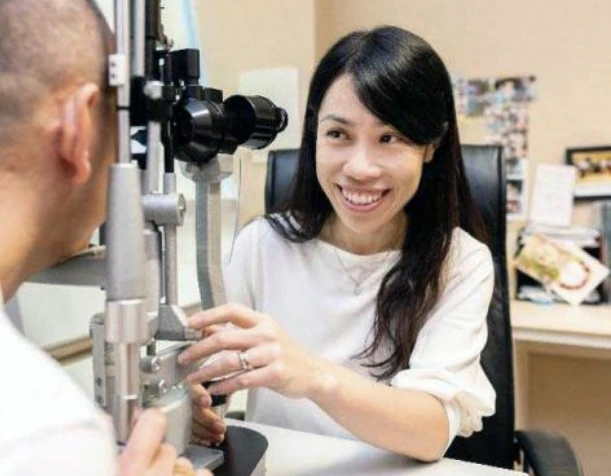
To determine if you’re a good candidate for LASIK, you will have to undergo a thorough examination that tests your vision, checks for other eye problems, and measures and maps the surface of your cornea.
You may also want to use this time to ask for any questions and concerns you may have about LASIK!
What happens during LASIK?
Here’s a step-by-step account of what usually happens in a LASIK procedure:
The surgeon administers numbing drops to numb both eyesTo keep the eyes from blinking, the surgeon places an eyelid holder on both eyes. A suction ring will also be used to keep them from moving.Patients will feel some pressure firmly pressing on their eyelids and their vision will start to go dim or black.With a device called a microkeratome or a laser, the surgeon makes a paper-thin corneal flap and folds it back.Patients are asked to stare at a light to keep their eyes steady as the surgeon starts to reshape the cornea with a specialised laser that’s been programmed with their eye measurements.After reshaping the cornea, the surgeon will fold the flap back down into position and smooth the edges. The flap will attach on its own in just two to three minutes.The healing process starts as soon as the surgery is over.What to do after LASIK?
One of the most attractive features of LASIK is that the effects are generally immediate. You may see significant improvements in your vision as soon as the surgery is done and will continue to improve over time.
The surgeon may ask you to wear a shield for a few days while sleeping to protect your eyes during the healing process. You may feel some discomfort (such as itching and a burning sensation) as the anaesthesia wears off.
You may be given special eye drops to manage the dryness and help with your eyes healing.
The most essential thing post-LASIK is rest. Make sure to head straight home and rest/sleep for a few hours to give your eyes enough time to heal.
No need to worry about downtime because you’ll be able to return to your regular routine within one to two days, as long as you avoid physically strenuous activities.





























Sign in to leave a comment.