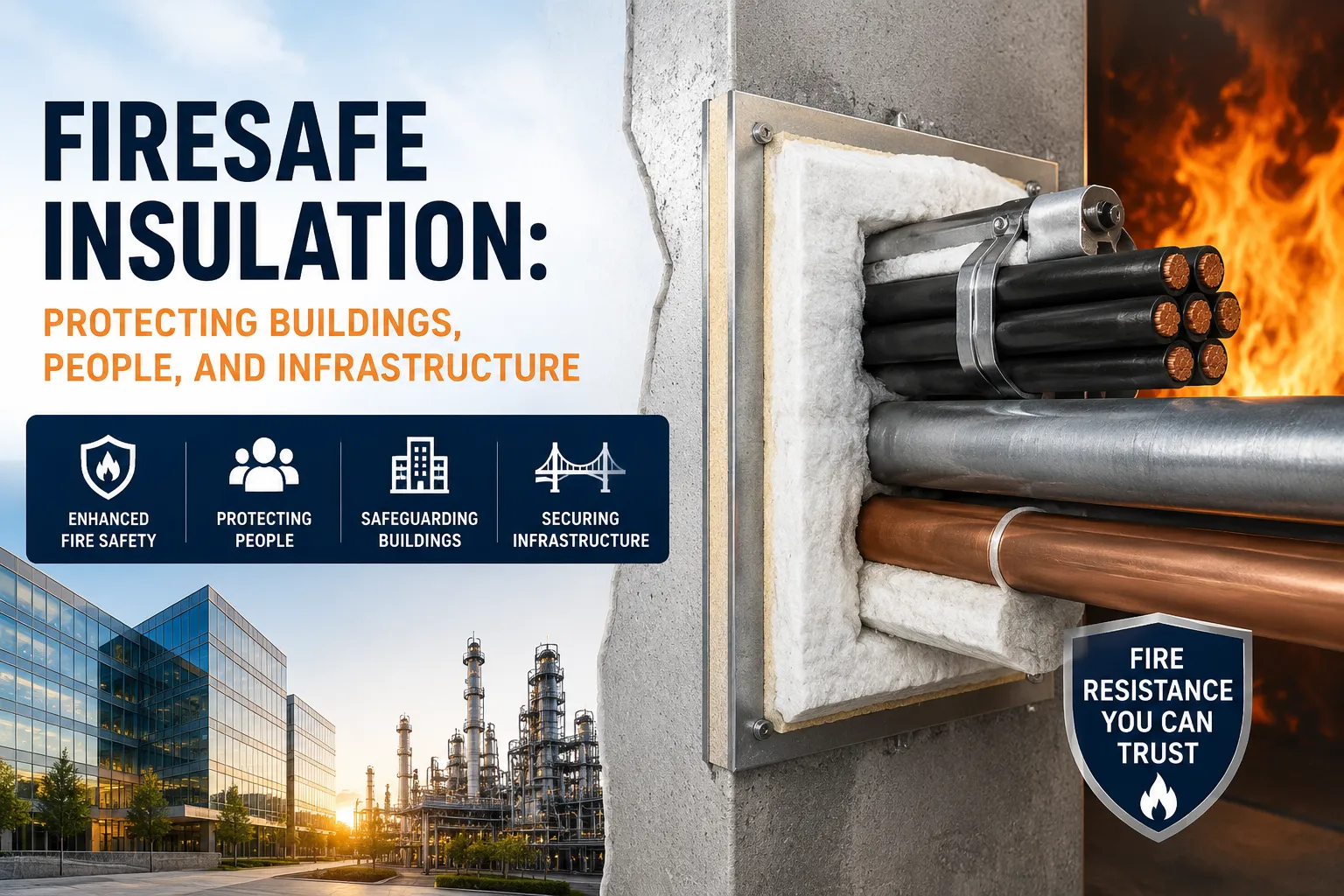

Introduction
Fire sealing solutions are among the most frequently non-compliant elements found during building audits in Australia — not because the products are unavailable or unaffordable, but because compliance is rarely managed systematically from design through to handover. For building certifiers and fire engineers, having a structured checklist for each stage of a project is the most effective tool for catching deficiencies before they become costly rectification problems or — worse — genuine safety failures.
This checklist covers every stage from design review to post-occupation inspection, with reference to current NCC 2025 and AS 1851 obligations.
Stage 1: Design and Specification Review
Before construction begins, fire sealing solutions must be fully specified — not left to trades contractors to resolve on site.
- Every fire-rated building element is identified on architectural and structural drawings with its required Fire Resistance Level (FRL)
- Every service penetration through each fire-rated element is identified on services coordination drawings
- A certified fire sealing solution is specified for each penetration type — matched to substrate, service type, and annular gap
- All specified products hold current test evidence under AS 1530.4 that exactly matches the intended installation configuration
- The fire engineer's specification references product test numbers — not generic product categories
Alternative solutions under NCC 2025 Performance Requirements are documented with supporting evidence of suitability
Stage 2: During Construction — What to Verify Before Walls Close
This is the most critical stage. Once walls and ceilings are closed, verification becomes invasive and expensive.
- Passive fire protection contractor is engaged separately from general services trades
- Installation is being carried out in strict accordance with the tested system specification — same substrate, same service type, same annular gap as the certified prototype
- Mechanical supports for services are installed within 300mm of each penetration
- Photographic evidence is being captured of every installed penetration seal before concealment
- Photos are tagged with location reference matching the penetration register
- No non-approved substitutions have been made from the specified products
Back-to-back electrical outlets in fire-rated walls are offset by minimum 300mm horizontally or 600mm vertically per AS 4072.1
Stage 3: Practical Completion and Handover Documentation
Under NCC 2025, documentation is a legal requirement — not optional paperwork.
- A complete passive fire protection register has been compiled covering every penetration in every fire-rated element in the building
- Each register entry includes: location reference, product used, AS 1530.4 test reference number, installation date, installer name, and photographic evidence
- Product compliance certificates and current test evidence documents are included in the handover pack
- The passive fire register is cross-referenced against services drawings and architectural drawings — every penetration shown on drawings is accounted for in the register
- As-built drawings reflect any changes made during construction to penetration locations or specifications
The building owner has been briefed on their ongoing AS 1851 obligations post-occupation
Stage 4: Post-Occupation Inspection Under AS 1851
Fire sealing solutions must be maintained and inspected throughout the building's operational life.
- Formal compartment surveys are scheduled at minimum annually
- Post-works assessments are triggered following any renovation, maintenance, or fit-out activity that could have disturbed fire-rated elements
- Inspection covers every accessible penetration seal in fire-rated walls, floors, and ceilings throughout the building
- Inspection records document each penetration assessed, its condition, product installed, and any remedial action required
- Breached or damaged fire sealing solutions are remediated promptly with the correct certified product — not generic filler or sealant
- Remediation is documented and added to the passive fire register
- For Class 9a healthcare buildings, inspection frequency and documentation depth are increased to reflect the higher risk profile
Red Flags: Top Non-Compliance Issues Found During Fire Sealing Audits
These are the most common findings across commercial and residential building audits in Australia:
- Unsealed penetrations created during cable additions or plumbing maintenance after construction completion
- Non-type-approved products used as substitutes during construction or maintenance
- Intumescent sealant applied over existing services without backing rod, resulting in insufficient fill depth
- Firestop collars installed on metal pipes — collars are only certified for plastic and combustible pipe types
- Back-to-back electrical outlets in fire-rated walls with no offset
- Missing photographic evidence for penetrations that are now concealed
- Passive fire register not updated following post-construction building works
Documentation Requirements Under NCC 2025: The Golden Thread
NCC 2025 has significantly strengthened documentation obligations for passive fire protection. The "golden thread" concept — a complete, accessible record of every fire safety system in the building from design through to operation — now underpins compliance verification for building certifiers and relevant building surveyors.
In practice, this means building certifiers should require:
- Evidence of suitability for every fire sealing solution product at specification stage
- Installation documentation at each construction inspection stage — not just at handover
- A passive fire register that is a living document, updated throughout the building's life
- Clear contractual allocation of responsibility for passive fire protection installation, inspection, and maintenance between builder, passive fire contractor, and building owner
For advanced fire sealing solutions certified to Australian and international standards across buildings, marine, oil and gas, and utilities applications, Beele Australasia provides full technical documentation support for compliance packs and passive fire registers.
FAQ
Q1. Are fire sealing solutions inspected during standard building inspections?
Standard building inspections typically focus on active fire protection systems — detector function, sprinkler pressure, alarm panel operation. Passive fire protection and penetration seal compliance requires a separate specialist compartment audit. A building can pass a standard fire inspection with significant fire sealing deficiencies undetected. Building certifiers and fire engineers should ensure passive fire protection is verified through a dedicated compartment survey at practical completion and annually post-occupation.
Q2. What test standard must fire sealing solutions comply with in Australia?
All fire sealing solutions installed in Australian buildings must be tested under AS 1530.4 — the Australian standard for fire resistance testing of building materials and structures. Installation must comply with AS 4072.1. Products must be installed in configurations that exactly match their tested system specification — any variation from the tested substrate, service type, or annular gap dimensions means the claimed fire rating does not apply.
Q3. Who is liable if fire sealing solutions are found non-compliant after handover?
Liability is shared depending on the nature of the non-compliance. The builder is responsible for ensuring correct installation during construction. The passive fire contractor is responsible for installing systems exactly as specified and tested. The building certifier is responsible for verifying compliance at each inspection stage. Post-handover, the building owner is responsible for maintaining fire sealing solutions under AS 1851. In the event of a fire where non-compliant sealing is identified as a contributing factor, all parties in the chain of responsibility face potential civil and criminal exposure.























Sign in to leave a comment.