
Learn when and how to do air purifier filter replacement. Improve air quality, extend device life, and avoid common mistakes.
Clean air at home depends on one simple thing most people ignore: timely filter changes. If your purifier runs all day but the filter is old, it quietly loses effectiveness. This guide walks you through everything you need to know about air purifier filter replacement so your device actually does its job.
Why Air Purifier Filter Replacement Matters
An air purifier works by trapping dust, pollen, smoke, and tiny particles inside its filter. Over time, that filter fills up. Once it’s full, airflow drops and filtration weakens.
Think of it like a clogged strainer. Air still passes through, but not properly.
Here’s what happens when you delay air purifier filter replacement:
- The purifier struggles to pull in air
- Pollutants stay in your room longer
- Energy use increases
- The motor wears out faster
Regular air purifier filter replacement keeps airflow strong and ensures your purifier captures particles effectively.
When Should You Replace an Air Purifier Filter?
There’s no single rule, but most filters need changing every 6 to 12 months. The exact timing depends on how you use your purifier.
A few real-life situations:
- If you live near traffic or construction, filters clog faster
- If you have pets, hair and dander fill filters quickly
- If someone smokes indoors, replacement frequency increases
Most modern purifiers include an indicator light. Still, don’t rely on it blindly. If airflow feels weak or there’s a musty smell, it’s time for air purifier filter replacement.
Types of Filters and Their Replacement Needs
Not all filters behave the same. Understanding this helps you avoid replacing too early or too late.
HEPA Filters
These capture tiny particles like dust, pollen, and bacteria. They usually last 6–12 months. Regular air purifier filter replacement is essential because once clogged, HEPA filters cannot be washed.
Activated Carbon Filters
These remove odors, smoke, and gases. They wear out faster than HEPA filters because they absorb pollutants instead of trapping them. Replacement may be needed every 3–6 months.
Pre-Filters
These catch larger particles like hair and dust. Some are washable, which means you don’t always need full air purifier filter replacement, just cleaning.
Each filter plays a role. Ignoring one affects the whole system.
Step-by-Step Air Purifier Filter Replacement Process
Replacing a filter is simple, but doing it correctly makes a difference.
First, turn off and unplug your purifier. This keeps you safe and prevents dust from spreading.
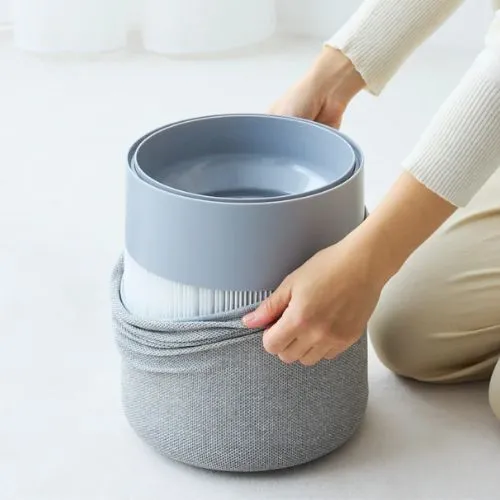
Next, open the unit. Most purifiers have a rear or bottom panel. Remove the old filter carefully. It may release dust, so avoid shaking it indoors.
Now insert the new filter. Make sure it fits properly and matches the airflow direction marked on the filter.
Finally, close the unit and reset the filter indicator if your purifier has one.
That’s it. A proper air purifier filter replacement takes less than five minutes but improves air quality immediately.
Signs You Need Air Purifier Filter Replacement
Sometimes the purifier doesn’t warn you clearly. These signs help you decide:
- Reduced airflow even at high speed
- Dust settling faster on surfaces
- Unpleasant or stale smell in the room
- Increased allergy symptoms
If you notice any of these, don’t wait. Air purifier filter replacement is overdue.
Common Mistakes to Avoid
Many people unknowingly reduce their purifier’s performance by making simple mistakes.
One common issue is trying to clean non-washable filters. HEPA filters, for example, should never be washed. Water damages their structure.
Another mistake is delaying replacement to save money. This backfires because a clogged filter makes the purifier work harder, increasing electricity use and reducing lifespan.
Also, avoid using incompatible filters. Always choose filters designed for your specific purifier model. Poor fit leads to air bypassing the filter entirely.
How Air Purifier Filter Replacement Improves Health
Cleaner air has a direct effect on how you feel daily. Fresh filters remove particles that trigger allergies, asthma, and irritation.
For example, in a bedroom, timely air purifier filter replacement can:
- Reduce nighttime coughing
- Improve sleep quality
- Lower dust exposure
In living spaces, it helps maintain a fresher environment, especially in homes with pets or cooking odors.
The difference is noticeable within days of replacing a clogged filter.
Tips to Extend Filter Life
While air purifier filter replacement is necessary, you can make filters last longer with simple habits.
- Keep windows closed during heavy pollution
- Vacuum floors regularly to reduce airborne dust
- Clean pre-filters every few weeks
- Place the purifier away from walls for better airflow
These small steps reduce the load on your filter and delay replacement without compromising performance.
Frequently Asked Questions
How often should I replace my air purifier filter?
Most filters need replacement every 6 to 12 months, but this depends on air quality and usage.
Can I wash and reuse my air purifier filter?
Only pre-filters are washable. HEPA and carbon filters should not be washed and must be replaced.
What happens if I don’t replace the filter?
The purifier becomes less effective and may circulate polluted air instead of cleaning it.
How do I know which filter fits my purifier?
Check your device model number and match it with the correct replacement filter.
Does air purifier filter replacement improve allergies?
Yes. A fresh filter captures allergens more effectively, reducing symptoms indoors.
Is it okay to use third-party filters?
It’s safer to use manufacturer-approved filters for proper fit and performance.
Conclusion
Air purifiers only work as well as their filters. Ignoring air purifier filter replacement means your device runs, but doesn’t truly clean the air. By replacing filters on time, choosing the right type, and avoiding common mistakes, you keep your indoor environment healthy and fresh.
A clean filter is not just maintenance. It’s the difference between breathing better air and just thinking you are.

























Sign in to leave a comment.