

Property damage caused by fire, water, or severe storms can disrupt both residential and commercial buildings. Beyond the visible destruction, these events often leave hidden structural problems that require professional attention. A reliable Building Restoration Service plays a crucial role in helping property owners recover by restoring buildings safely and efficiently.
Understanding the building restoration process helps property owners, managers, and insurers respond quickly and minimise long-term damage.
Initial Damage Assessment
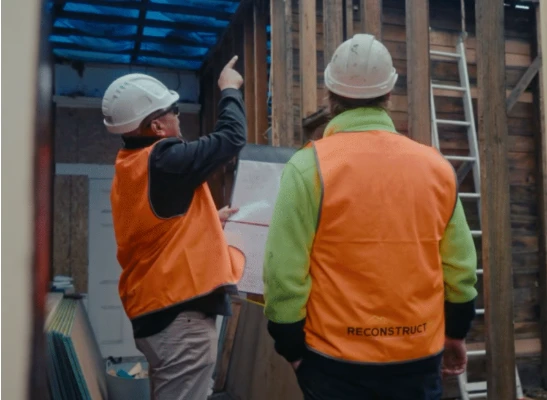
The restoration process begins with a comprehensive damage assessment. Restoration professionals inspect the property to identify visible and hidden damage. This includes structural elements, electrical systems, insulation, and internal surfaces.
For example, water damage may extend beyond wet flooring and affect wall cavities or ceilings. Similarly, fire damage may compromise structural beams or leave harmful smoke residue throughout the building.
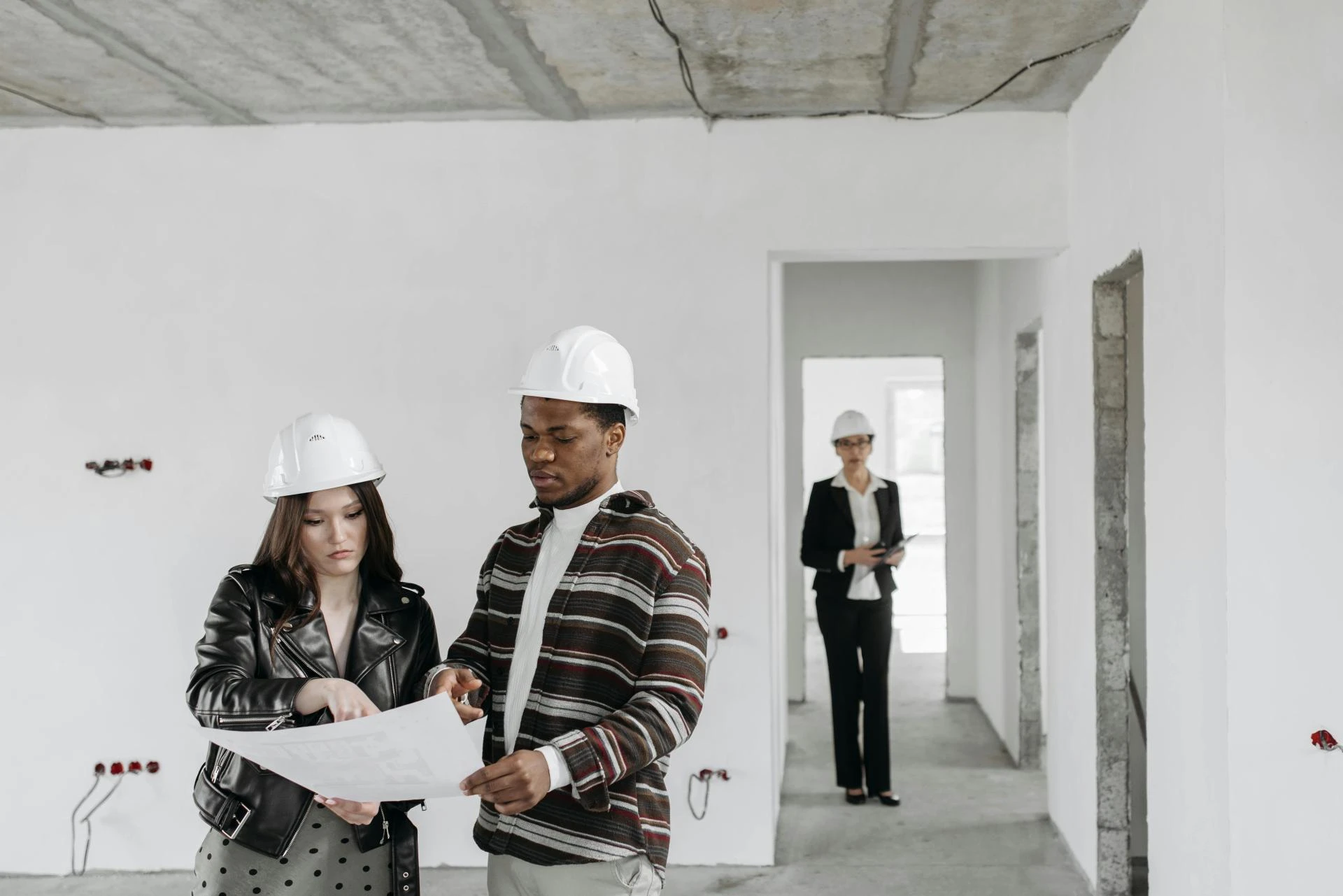
A detailed inspection helps restoration specialists determine the scope of work required and develop an effective repair plan.
Securing and Stabilising the Property
Once the damage is assessed, the next step is securing the property to prevent further deterioration. Storm-damaged roofs may require temporary tarping, broken windows may need boarding, and exposed structural areas must be stabilised.
These emergency measures protect the building from additional environmental exposure while restoration work is planned and organised.
Water Removal and Drying
Water damage is one of the most common issues after storms, floods, or firefighting efforts. Standing water must be removed immediately to prevent structural weakening and mould growth.
Restoration teams use industrial pumps, dehumidifiers, and air movers to remove moisture from affected areas. Advanced moisture detection tools help ensure that hidden dampness within walls or flooring is completely eliminated.
Proper drying is essential because leftover moisture can lead to mould infestations or long-term structural deterioration.
Fire and Smoke Damage Cleaning
Fire incidents create complex restoration challenges. In addition to repairing burned materials, restoration specialists must also remove smoke residue and soot particles that spread throughout the property.
Specialised cleaning techniques are used to eliminate odours, clean surfaces, and restore indoor air quality. In many cases, affected materials such as insulation or severely damaged timber must be replaced to ensure safety.
Thorough fire damage restoration ensures the building is safe for occupancy again.
Structural Repairs and Reconstruction
After cleaning and remediation are complete, the rebuilding phase begins. This stage involves repairing structural components such as walls, ceilings, floors, and roofing systems. Damaged fixtures, fittings, and finishes are also restored or replaced.
The goal is to return the property to its pre-damage condition while ensuring all repairs meet current building standards and safety regulations.
Professional restoration teams coordinate various trades during this stage, ensuring the repair work progresses efficiently and meets quality expectations.
Final Inspection and Quality Assurance
Before restoration is considered complete, a final inspection is conducted to verify that all repairs meet structural and safety requirements. This step ensures that no damage has been overlooked and that the property is ready for safe use.
Quality checks also confirm that moisture levels are normal, surfaces are fully restored, and the building is structurally sound.
Why Professional Restoration Matters
Building restoration is a complex process that requires specialised knowledge, equipment, and coordination. Attempting repairs without professional expertise can lead to incomplete restoration and future problems.
Professional restoration teams follow structured procedures designed to address all aspects of property damage, ensuring the building is fully restored and safe.
Conclusion
Fire, water, and storm damage can significantly affect a property’s safety and value. However, with the right restoration process, buildings can be repaired efficiently and returned to their original condition. By relying on experienced restoration professionals, property owners can ensure a thorough recovery that protects both the building and its occupants.

























Sign in to leave a comment.