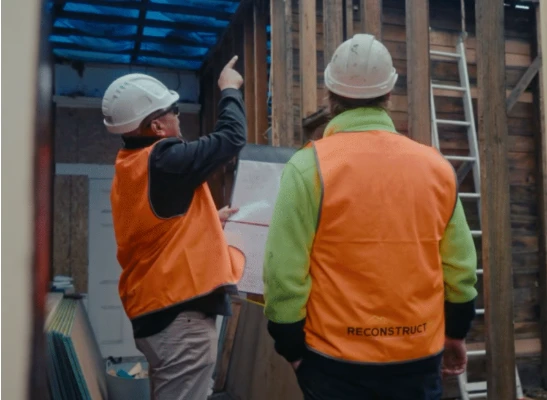

When a property is damaged by fire, storm, water, or accidental impact, many homeowners assume the repair process is similar to a standard renovation. However, insurance-based restoration is a specialised field that requires technical expertise, compliance knowledge, and structured communication with insurers. Engaging professionals who focus on Insurance Repairs ensures that the restoration aligns with policy terms while maintaining construction quality.
Understanding why specialist builders are essential can prevent delays, disputes, and costly mistakes.
Insurance restoration operates within policy frameworks
Unlike general renovations, insurance repairs must follow strict policy guidelines. The objective is to restore the property to its pre-loss condition, not upgrade or redesign it. Every repair decision must be supported by documentation and approved by the insurer before work proceeds.
Specialist insurance builders understand how to interpret scopes of works, apply “like-for-like” replacement principles, and manage depreciation considerations where applicable. A general contractor may unintentionally recommend changes that fall outside coverage, leading to rejected costs or claim disputes.
Documentation is just as important as construction
Insurance restoration involves detailed paperwork at every stage. Damage reports, photographic evidence, variation requests, compliance certificates, and final sign-offs all form part of the claim lifecycle.
Experienced insurance repair builders know how to prepare documentation that meets insurer standards. This reduces back-and-forth communication and shortens approval timelines. Builders unfamiliar with insurance processes often underestimate this administrative component, which can significantly slow down projects.
Identifying hidden and secondary damage
After events such as flooding or fire, visible damage is often only part of the issue. Water can seep behind walls and under flooring, while fire can compromise structural elements not immediately apparent. If these hidden problems are missed, future deterioration may occur.
Specialists in insurance repairs conduct methodical inspections to uncover concealed damage. They use moisture detection tools, structural assessments, and industry-standard remediation methods to ensure the property is fully restored.
Coordinating with multiple stakeholders
Insurance restoration projects involve more than just the homeowner and builder. Assessors, loss adjusters, engineers, and claims managers all contribute to the process. Coordinating these parties requires structured communication and accountability.
Insurance builders act as the central point of contact, providing regular updates, responding to insurer queries, and managing approval processes. This streamlined coordination reduces confusion and ensures the project progresses smoothly.
Managing variations professionally
Even with thorough assessments, additional damage can surface during demolition or repair. Specialist builders understand that variations must be documented, justified, and approved before proceeding. This protects homeowners from unexpected expenses and insurers from unapproved works.
Without this structured approach, projects can quickly fall out of alignment with approved scopes, resulting in delays or financial disputes.
Compliance with building standards
Insurance repairs must meet current building codes and safety regulations. In Queensland, for example, licensing requirements and compliance obligations must be satisfied before works commence. Professional insurance repair builders ensure all trades are qualified and that the restoration adheres to relevant regulations.
Compliance is not just about avoiding penalties—it safeguards the long-term safety and value of the property.
Protecting timelines and reducing stress
Insurance claims already place emotional and financial strain on homeowners. Specialist builders bring predictability to the process through clear timelines, realistic scheduling, and transparent communication. Their familiarity with insurer procedures helps avoid unnecessary delays.
A contractor without insurance experience may unintentionally create bottlenecks that extend the claim cycle and increase frustration.
Conclusion
Insurance restoration is fundamentally different from standard construction work. It requires a combination of technical building expertise, detailed documentation, insurer coordination, and compliance awareness. Choosing specialists in Insurance Repairs ensures that restoration is handled efficiently, correctly, and in accordance with policy terms.
When property damage occurs, working with the right professionals is not just beneficial—it is essential for achieving a smooth and successful recovery.



























Sign in to leave a comment.