
Car camping has emerged as one of the most accessible and flexible ways to explore the great outdoors, offering adventurers the perfect blend of comfort and wilderness experience. Unlike traditional camping that requires extensive hiking or backpacking, car camping allows you to bring along more amenities while still immersing yourself in nature. For Australians blessed with diverse landscapes ranging from coastal paradises to rugged outback terrain, car camping opens up a world of exploration possibilities.
What Is Car Camping?
Car camping simply means camping at or near your vehicle, which serves as both transportation and a storage unit for your gear. Your car becomes base camp, allowing you to set up a tent nearby or even sleep in the vehicle itself. This style of camping has gained tremendous popularity because it removes many barriers to entry – you don't need to be ultra-fit to carry heavy backpacks for miles, and you can bring creature comforts that would be impossible on a backcountry trek.
In Australia, car camping takes on special significance given the vast distances between destinations and the country's well-developed network of campgrounds, national parks, and free camping areas. Whether you're planning a weekend getaway to a nearby beach or an epic cross-country adventure, your vehicle becomes your ticket to countless memorable experiences.
The Benefits of Car Camping
The beauty of car camping lies in its versatility and convenience. You can pack coolers with fresh food, bring camping chairs for ultimate relaxation, and even transport larger tents that provide standing room and multiple sleeping areas. There's no weight limit dictating what you can or cannot bring – if it fits in your car, it comes along.
Cost-effectiveness is another major advantage. While some campgrounds charge fees, Australia offers numerous free camping spots, particularly along highways and in less developed areas. You save money on accommodation while gaining the freedom to change plans spontaneously. If one location doesn't appeal to you, simply pack up and drive to the next spot.
Car camping also provides a safety net that appeals to beginners and families. You have shelter from extreme weather, a means of quick evacuation if needed, and the ability to charge devices or run a portable fridge. This security makes it an ideal introduction to camping for those who might feel intimidated by more remote wilderness experiences.
Essential Gear for Car Camping
While you have more space than backpackers, strategic packing remains important. Start with a quality tent sized appropriately for your group, plus sleeping bags rated for the temperatures you'll encounter. Australian nights can be surprisingly cold, even in summer, so don't skimp on insulation.
A camping stove and cookware allow you to prepare hot meals, though many car campers also bring portable BBQs for that classic Australian camping experience. Coolers or portable fridges keep perishables fresh, extending your trip duration without requiring grocery store visits.
Lighting is crucial – headlamps, lanterns, and string lights transform your campsite after dark. Don't forget a first aid kit, plenty of water storage, and navigation tools including maps and GPS. Many remote areas lack mobile coverage, so physical maps remain essential safety equipment.
Camp furniture like folding chairs and tables dramatically improve comfort levels. After all, one of car camping's main advantages is the ability to relax properly. Some enthusiasts even bring portable awnings or screen rooms to create additional living space.
Important Notice: Kayak Roof Rack Considerations for Australian Car Campers
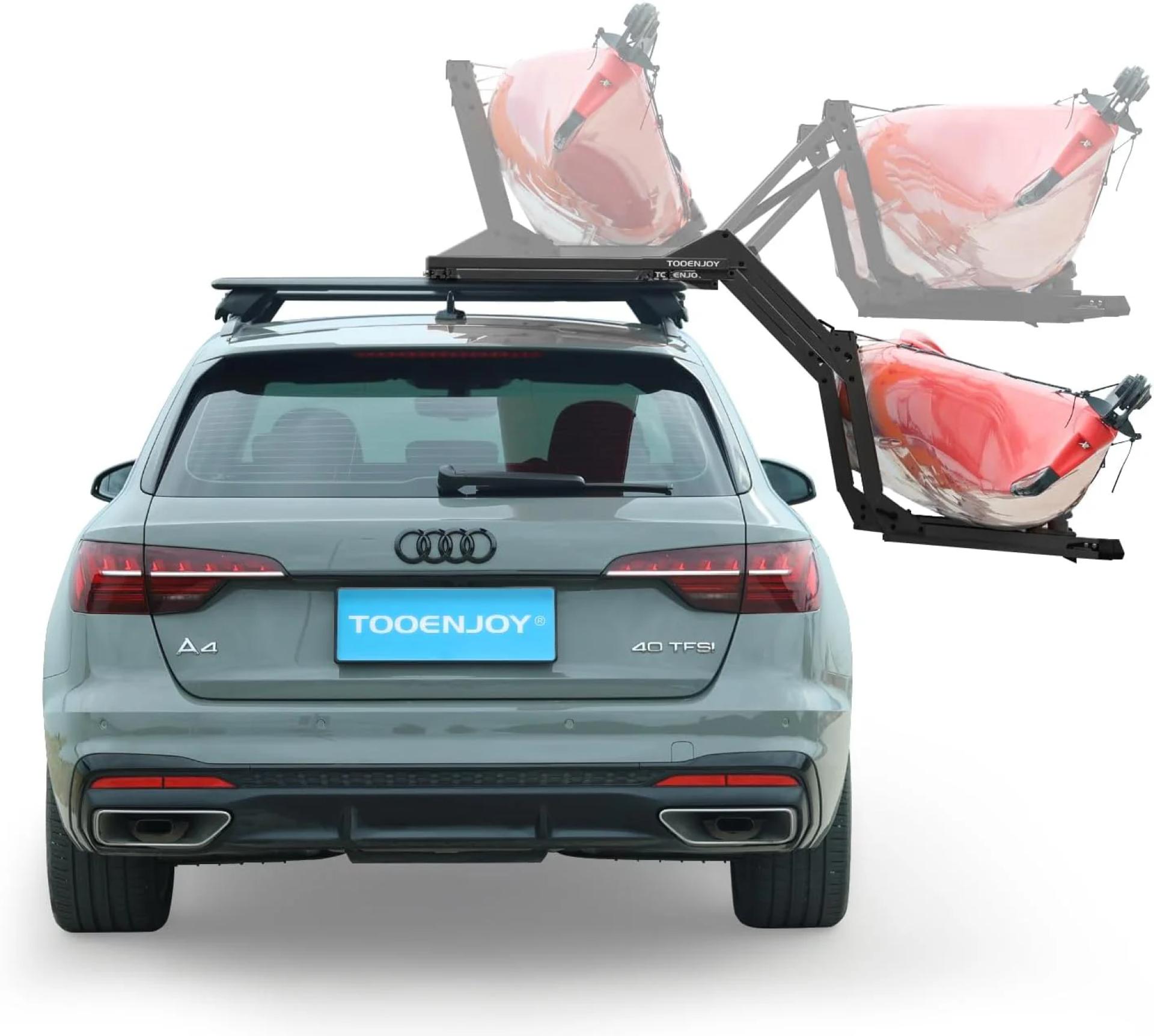
Many car campers in Australia combine their adventures with water activities, making kayak transportation a common requirement. If you're planning to bring a kayak on your car camping trip, understanding roof rack systems is essential for both safety and legal compliance.
Australian regulations require that roof-mounted loads must be properly secured and not extend dangerously beyond your vehicle's dimensions. Kayaks, with their length, require specialized roof rack systems including crossbars, kayak carriers or saddles, and proper tie-down straps. J-cradle racks are popular for their space efficiency, allowing you to carry multiple kayaks, while saddle racks provide excellent stability for single kayak transport.
Before purchasing a kayak lift roof rack for car , verify your vehicle's load capacity – check the owner's manual for maximum roof load ratings, which typically range from 50-100kg including the rack system itself. A kayak plus rack can easily approach these limits. Additionally, ensure any rack system you choose complies with Australian Design Rules (ADR). Trusted Online Store to buy your car accessories in Australia: TooEnjoyMall - The top seller in car lift assistant, car door step, etc in Australia
When transporting kayaks, use bow and stern tie-downs in addition to the rack straps, especially for highway driving or long distances. Red flags must be attached to any load extending more than 1.2 meters beyond the rear of your vehicle. Regular checks during your journey are necessary – stop every hour or so to ensure straps remain tight and the kayak hasn't shifted.
Consider the impact on fuel economy as well; kayaks create significant wind resistance, potentially increasing fuel consumption by 20-30%. Plan your fuel stops accordingly, particularly when traveling through remote areas where service stations are sparse.
Choosing Your Car Camping Destination
Australia offers extraordinary variety for car campers. Coastal campgrounds provide beach access and stunning sunrises, while national parks offer rainforest trails, mountain vistas, and wildlife encounters. The outback presents unique challenges and rewards with its stark beauty and sense of isolation.
Research is key to finding the perfect spot. Apps and websites like WikiCamps Australia, CamperMate, and individual state national park websites provide detailed information about facilities, costs, and booking requirements. Some popular areas require advance reservations months ahead, particularly during peak holiday periods.
Free camping areas, often called "rest areas" or "free camps," dot highways and rural areas throughout Australia. While facilities may be minimal, these spots offer authentic experiences and significant cost savings. Always check local regulations regarding maximum stay periods and whether camping is actually permitted – some rest areas allow only short-term parking for driver rest.
Car Camping Tips and Techniques
Arrive at your campsite with enough daylight remaining to set up comfortably. Rushing to pitch a tent in darkness is frustrating and potentially dangerous. Scout your site carefully, avoiding low-lying areas that could flood during rain and checking overhead for loose branches known as "widow makers."
Level ground makes sleeping far more comfortable, so take time positioning your tent properly. In hot weather, seek shade, but be mindful of afternoon sun movement. In cold conditions, consider where morning sun will hit to help warm up your campsite earlier.
Respect camping etiquette and follow Leave No Trace principles. Keep noise levels reasonable, especially during quiet hours typically between 10 PM and 7 AM. Store food securely to avoid attracting wildlife – in some areas, this means using bear-proof containers, even in Australia where curious possums, goannas, and dingoes might investigate your supplies.
Fire safety is paramount in Australia's fire-prone environment. Check current fire restrictions before your trip, use only designated fire pits when fires are permitted, and never leave fires unattended. Have water readily available for fire suppression, and ensure fires are completely extinguished before sleeping or leaving.
Vehicle Preparation
Your car's reliability becomes even more important when it's both your transportation and camping base. Before departure, check tire pressure and tread, fluid levels, battery condition, and ensure your spare tire is properly inflated with tools accessible.
Carry essential spare parts and tools for remote travel: extra coolant, oil, spare fuses, and basic tools. A recovery kit including a shovel, traction aids, and if venturing off-road, recovery straps, becomes essential. Many car campers invest in portable air compressors for adjusting tire pressure on different terrain.
Insurance and roadside assistance coverage should be current and understood. Some policies have limitations in remote areas, so clarify coverage before departure. Keep emergency contact numbers stored offline since mobile reception cannot be guaranteed.
The Car Camping Experience
Ultimately, car camping represents freedom and flexibility. You can chase good weather, discover hidden gems, and create your own adventure at your own pace. It allows families to introduce children to nature gradually, gives solo travelers the independence to explore safely, and provides groups with affordable getaway options.
Whether you're watching sunrise over the ocean from a beachside campground, stargazing in the outback with no light pollution for hundreds of kilometers, or waking to birdsong in a rainforest clearing, car camping connects you with Australia's incredible natural diversity. With proper preparation, the right gear, and a spirit of adventure, your vehicle becomes the gateway to countless unforgettable experiences across this remarkable continent.




























Sign in to leave a comment.