
Eczema, a chronic inflammatory skin condition characterized by itching, redness, and dryness, can significantly impact your quality of life. While various treatments are available, many individuals are turning to natural remedies like NEEM OIL FOR ECZEMA. Neem oil, derived from the seeds of the neem tree (Azadirachta indica), has been used for centuries in traditional medicine for its potent healing properties. In this guide, we’ll explore the neem oil benefits for skin, how to use it effectively, and some tips to enhance its efficacy.
Neem Oil Benefits For Skin
Neem oil, extracted from the seeds and fruits of the neem tree (Azadirachta indica), boasts a rich history in traditional Indian medicine (Ayurveda). It possesses several properties that may be beneficial for eczema-prone skin:
Antibacterial and Antifungal: Eczema flare-ups can be worsened by bacterial or fungal infections. Neem oil's natural antimicrobial properties may help combat these microbes, potentially reducing inflammation and promoting healing.Anti-inflammatory: Eczema is an inflammatory condition. Neem oil's anti-inflammatory properties may help soothe itching, redness, and swelling associated with eczema outbreaks.Moisturizing: Eczema often leads to dry, cracked skin. Neem oil contains essential fatty acids and vitamin E, which can help moisturize and nourish the skin, improving its barrier function.Wound Healing: Neem oil may promote wound healing and cell regeneration, potentially aiding in the healing process of eczema lesions.Neem Oil Uses For Skin
While research on neem oil for eczema is ongoing, some studies suggest potential benefits. Here's how you might use neem oil for eczema:
Dilution is Key: Neem oil is quite potent and can be irritating to sensitive skin. It's essential to dilute it with a carrier oil like coconut oil, jojoba oil, or almond oil before topical application. A good starting point is a 1% dilution (1 part neem oil to 99 parts carrier oil). You can gradually increase the concentration if you tolerate it well.Spot Testing: Before applying neem oil to affected areas, perform a patch test on a small area of healthy skin, like your inner arm. Monitor the area for 24 hours for any signs of irritation, such as redness or itching. If no reaction occurs, it's likely safe to use on eczema patches.Targeted Application: Apply the diluted neem oil directly to eczema-affected areas using a cotton swab. Refrain contact with eyes and mucous membranes.Frequency: Start with one application per day and gradually increase to two or three times a day if tolerated well.Neem (Nimb) Taila
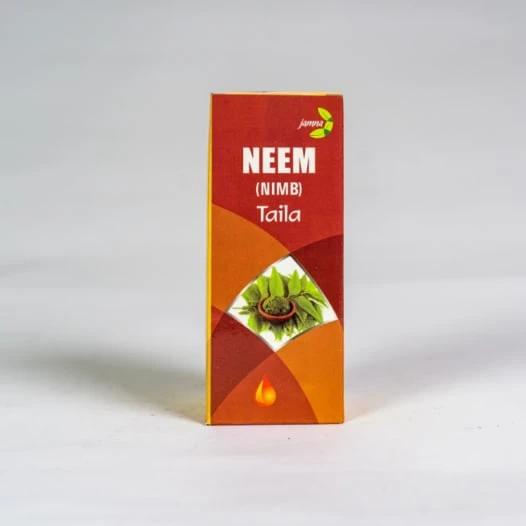
Neem (Neem) Taila is an Ayurvedic preparation containing neem oil as a key ingredient. It may be diluted further with carrier oils before application. However, it's crucial to consult with an Ayurvedic practitioner to determine if Neem (Neem) Taila is suitable for your specific needs and to receive guidance on appropriate dilution and usage.
Important Considerations for Using Neem Oil on Eczema
While neem oil offers potential benefits, there are some crucial factors to consider:
Dilution is Key: Neem oil is potent and can be irritating to sensitive skin. Remember to always dilute the oil with a carrier oil before applying topically.Patch Test First: Before applying neem oil to affected areas, conduct a patch test on a small area of healthy skin to identify any potential allergic reactions.Not a Cure: Neem oil is not a cure for eczema. It may offer relief from some symptoms, but it's essential to consult with a healthcare professional for a comprehensive treatment plan.Not for Everyone: Neem oil is not suitable for pregnant or breastfeeding women or children.It can also interact with certain medications. Consult your doctor before using neem oil.
Tips for Managing Eczema
In addition to considering neem oil, here are some helpful tips for managing eczema:
Identify Triggers: Eczema flare-ups can be triggered by stress, specific dietary habits, and environmental irritants. Identifying and avoiding your triggers can significantly improve your condition.Moisturize Regularly: Using a fragrance-free, eczema-specific moisturizer helps keep your skin hydrated and reduces itching.Manage Stress: Chronic stress can exacerbate eczema symptoms. Yoga and meditation are two practices that can aid in stress management and general health.Wear Loose-Fitting Clothing: Tight clothes can irritate sensitive eczema-prone skin. Choose cotton or other loose, breathable fabrics.Lukewarm Baths: Hot showers can strip your skin's natural oils. Opt for lukewarm baths with colloidal oatmeal or baking soda to soothe irritated skin.Consult a Healthcare Professional: A dermatologist or healthcare professional can diagnose your eczema and create a personalized treatment plan tailored to your specific needs.Conclusion
Neem oil presents a natural approach alongside your conventional treatment plan for managing eczema. Its anti-inflammatory, antimicrobial, and moisturizing properties make it a versatile addition to your skincare routine. By understanding the neem oil uses for skin and following the tips provided, you can harness the healing power of neem oil to soothe and heal eczema-affected skin.





























Sign in to leave a comment.