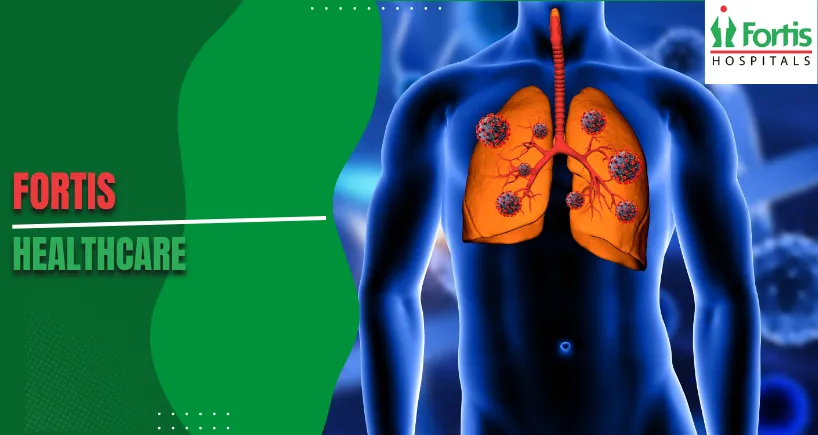

A lung cancer diagnosis is daunting enough on its own. But for patients who already have weak lungs, due to smoking history, COPD, or previous infections, the treatment itself can feel just as risky. Traditional radiation, while effective at killing cancer, often comes with a significant downside. It can damage the healthy lung tissue surrounding the tumor, leading to further breathing difficulties.
This is where proton therapy steps in as a game-changer. It offers a way to deliver a powerful, curative dose of radiation to the tumor while largely sparing the fragile, healthy lung tissue that patients desperately need to preserve.
Why Traditional Radiation Can Be Risky for Weak Lungs
To appreciate the value of proton therapy, it helps to understand the limitations of standard X-ray radiation (photon therapy). Think of an X-ray beam like a flashlight. It enters the body, shines through the tumor, and then continues out the other side. This "exit dose" means that healthy lung tissue, the heart, and the esophagus, which are often right next to the tumor, get exposed to unnecessary radiation.
For someone with strong lungs, this collateral damage might be manageable. But for a patient whose lung function is already compromised, even a small amount of additional scarring or inflammation can lead to serious complications like pneumonia or permanent shortness of breath.
The Proton Advantage: Precision Targeting
Proton treatment works differently. Instead of passing all the way through the body, protons are heavy, positively charged particles that can be programmed to stop at a precise depth.
Doctors can control the beam so that it releases its maximum energy exactly within the tumor and then simply stops. There is essentially zero exit dose. This unique physical property, known as the Bragg Peak, allows the medical team to "paint" the tumor with radiation while leaving the healthy lung tissue behind it untouched. This precision is not just a technical detail; it is a safety net for your lungs.
Benefits for Patients with Compromised Lung Function
For patients with pre-existing lung issues, the benefits of proton therapy are direct and meaningful.
Preserving Every Bit of Lung Function
The most critical advantage is the ability to spare healthy lung tissue. By reducing the radiation dose to the non-cancerous parts of the lung, proton treatment lowers the risk of radiation pneumonitis (lung inflammation) and long-term fibrosis (scarring). This helps patients maintain their breathing capacity and quality of life during and after treatment.
Protecting the Heart
Lung tumors are often located dangerously close to the heart. Standard radiation can inadvertently expose the heart to radiation, increasing the risk of heart disease years later. Proton therapy can significantly reduce this dose, protecting the heart from long-term damage.
Lower Risk of Side Effects
Because less healthy tissue is irradiated, patients often experience fewer severe side effects. This can mean less fatigue, less pain, and a smoother recovery journey, which is especially important for those who may already be frail.
Who Is the Ideal Candidate?
While proton therapy is a powerful tool, it is not used for every lung cancer case. It is often most beneficial for:
- Patients with locally advanced non-small cell lung cancer (NSCLC).
- Patients with large tumors or tumors located near critical organs like the heart or esophagus.
- Patients who have already received radiation to the chest and need re-treatment.
- Patients with poor lung function who cannot afford to lose any more breathing capacity.
Your oncology team will evaluate your specific situation to see if this advanced option is right for you.
Finding Advanced Care at Fortis
This level of precision medicine requires highly specialized technology and expertise. It is not available at every hospital. For patients seeking the most advanced options, the Best Hospital in India is a premier destination. Their dedicated team of radiation oncologists is experienced in using advanced therapies to treat complex lung cancers, ensuring that safety and quality of life are prioritized alongside curing the disease.
A Breath of Hope
Having weak lungs does not mean you have to settle for less effective cancer treatment. Proton therapy offers a safer, more precise path. It allows doctors to attack the tumor aggressively without waging war on the rest of your body.
If you are facing a lung cancer diagnosis and are worried about your breathing, asking about proton therapy could be a vital step. It might be the option that helps you breathe easier while you fight for your health.




























Sign in to leave a comment.