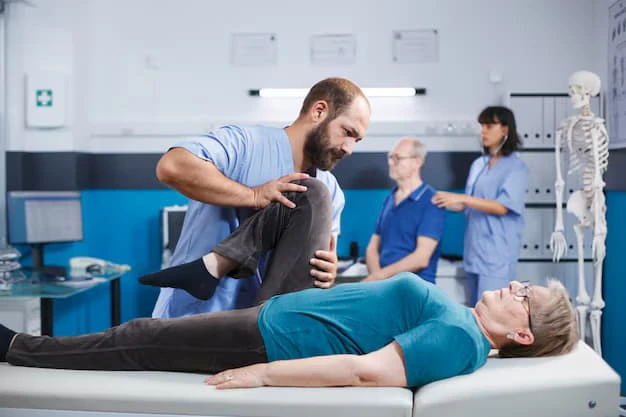

Orthopedic injuries are more common than many people realize. They can occur during daily activities, sports, workplace tasks, or even from simple accidents at home. Whether it is a sprain, strain, fracture, joint injury, or muscle tear, these conditions can be painful and frustrating. Recovering quickly and safely depends on receiving the right care at the right time. Understanding the essentials of orthopedic injury treatment can help individuals move through the healing process with confidence and clarity.
This guide explains everything people need to know about orthopedic injury treatment. It breaks down what orthopedic injuries are, how they are treated, and what individuals can do to speed up their recovery. With the right knowledge, anyone can take proactive steps that help support a faster and healthier return to daily activities.
Understanding Orthopedic Injuries and Why They Occur
Orthopedic injuries affect the bones, joints, muscles, tendons, and ligaments. These areas of the body support movement, stability, and physical strength. When an injury occurs, it can disrupt regular activity and cause significant discomfort.
Orthopedic injuries can happen for many reasons. Common causes include sudden accidents, overuse, repetitive motions, poor posture, sports activities, or lifting heavy objects incorrectly. Some injuries develop slowly due to wear and tear, while others are immediate and painful.
Types of Orthopedic Injuries and How They Affect the Body
Different orthopedic injuries affect the body in different ways. Some of the most common types include strains, sprains, fractures, dislocations, tendon injuries, and ligament tears.
A strain occurs when a muscle or tendon stretches too far. A sprain affects the ligaments that connect bones. Fractures involve broken bones and require careful treatment. Tendon injuries can cause weakness and inflammation. Dislocations happen when a bone moves out of its normal position.
Each injury requires a specific treatment plan that supports proper healing. Understanding the type of injury helps guide decisions about care and recovery.
The Importance of Proper Orthopedic Injury Treatment
Prompt orthopedic injury treatment is essential. Without proper care, even minor injuries can lead to long term issues such as chronic pain, limited mobility, or joint instability. Early treatment helps reduce inflammation, control pain, and prevent complications.
When individuals take quick action, they support their body’s natural healing process and reduce the risk of further damage. This encourages a smoother and faster recovery.
How Orthopedic Treatment Helps Restore Function and Strength
Orthopedic treatment focuses on healing injured tissues, restoring alignment, and improving joint function. Treatment may include rest, physical therapy, chiropractic support, stretching exercises, strengthening movements, and mobility training.
These steps help the injured area regain strength, flexibility, and stability. As the body heals, individuals often notice improved comfort and increased confidence in their movement.
Common Symptoms That Indicate an Orthopedic Injury
Recognizing the signs of an orthopedic injury is an important first step in receiving timely care. Some injuries cause immediate pain, while others develop slowly over time. Understanding the symptoms helps individuals know when to seek help.
Pain, Swelling, and Reduced Movement
Pain is often the first sign that something is wrong. Swelling may appear when tissues become irritated. Limited mobility makes it difficult to move the affected area comfortably.
Other symptoms may include stiffness, weakness, bruising, numbness, or a popping sensation at the time of injury. When individuals notice these signs, seeking orthopedic injury treatment can prevent the condition from becoming worse.
Steps Involved in Effective Orthopedic Injury Treatment
Orthopedic injury treatment follows a step by step approach based on the severity of the injury and the person’s overall health. The goal is to reduce pain, restore movement, and prevent future problems.
Initial Evaluation and Diagnosis
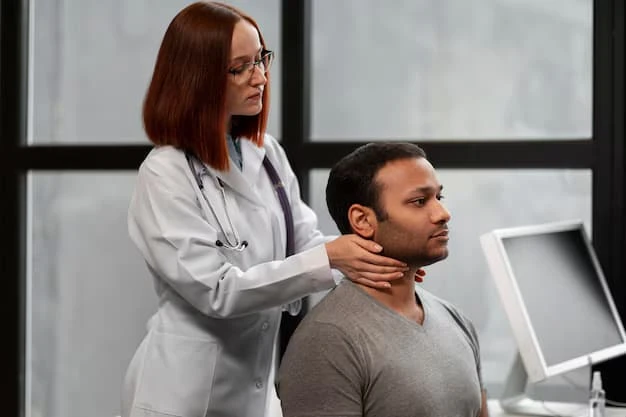
The first step involves understanding the cause of the injury and performing a detailed assessment. The evaluation may include questions about symptoms, lifestyle habits, and how the injury occurred. Physical exams often involve checking range of motion, strength, posture, and painful areas.
Accurate diagnosis is essential because it helps determine the best treatment plan. Without this step, recovery may take longer or become less effective.
Pain Relief and Inflammation Control
Reducing pain and inflammation is a key part of orthopedic injury treatment. This stage helps make movement more comfortable and protects the injured tissues from further stress.
Depending on the injury, treatment may include rest, cold therapy, gentle compression, elevation, or therapeutic exercises. These techniques help decrease swelling and allow the healing process to begin.
Guided Rehabilitation and Recovery Exercises
Rehabilitation is one of the most important steps in orthopedic injury treatment. It helps rebuild strength, flexibility, and stability in the injured area. Rehabilitation may include stretching, mobility training, balance exercises, and guided strengthening routines.
These exercises are designed to help the body return to normal function safely. They also help prevent reinjury by improving overall stability and posture. Staying consistent with rehabilitation is essential for faster recovery.
Supportive Techniques That Improve Recovery
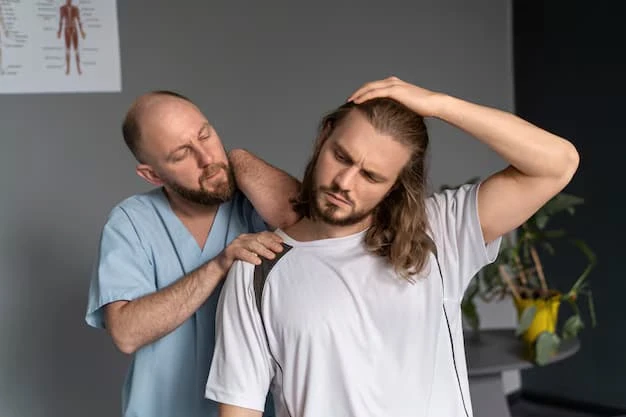
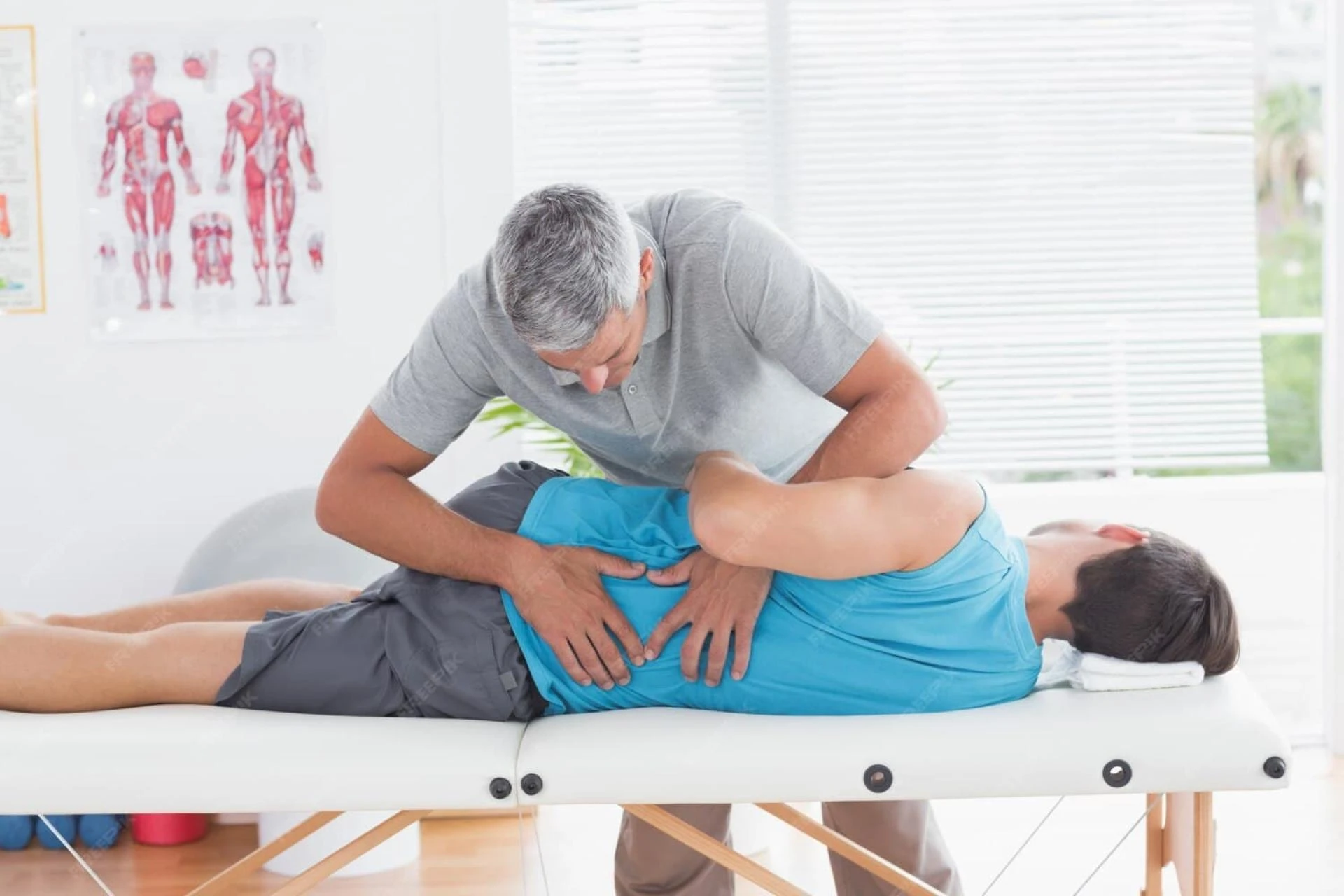
Supportive techniques such as chiropractic adjustments, soft tissue therapy, and therapeutic exercises can help improve alignment, reduce muscle tension, and restore natural movement patterns.
When the body is aligned properly, healing occurs more efficiently. People often notice improved comfort, smoother movement, and better overall function. This encourages faster recovery and long term wellness.
Lifestyle Habits That Support Faster Recovery
Recovery does not happen only in the clinic. The habits individuals follow at home play a major role in how quickly and effectively they heal. Small steps taken each day can create meaningful improvements.
Staying Active in a Safe and Controlled Way
Many individuals believe they should avoid all movement after an injury. However, gentle and controlled activity can actually support faster healing. Simple actions such as short walks, stretching, or light exercises help promote circulation and maintain muscle health.
Avoiding movement completely may slow progress and lead to stiffness. Moving wisely is key to supporting recovery.
Maintaining Good Posture and Proper Body Alignment
Poor posture places unnecessary stress on injured areas. Maintaining healthy alignment helps reduce strain and encourages better healing. Individuals recovering from orthopedic injuries should be mindful of how they sit, stand, walk, and lift objects.
Small changes in posture can make a significant difference in long term comfort and mobility.
Hydration, Rest, and Nutrition for Healing Support
Hydration helps muscles and joints function more effectively. Good nutrition provides the body with essential nutrients needed for tissue repair. Rest helps the injured area recover and regain strength.
Together, these habits create a strong foundation for faster healing and lasting recovery.
How to Prevent Future Orthopedic Injuries
Preventing future injuries is an important part of orthopedic care. By making simple lifestyle adjustments, individuals can reduce their risk of reinjury and protect their long term mobility.
Strengthening Muscles and Improving Joint Stability
Strong muscles support the joints and make movement safer. Strengthening exercises help protect weak areas and reduce the likelihood of future strain.
Improving Flexibility and Mobility
Flexible muscles are less likely to tear or become injured. Stretching regularly helps keep the body balanced and supports healthy movement patterns.
Practicing Safe Movement Techniques
Learning proper lifting techniques, improving posture, and avoiding sudden or forceful movements help reduce injury risks. These small habits support long term joint health.
Conclusion
Orthopedic injury treatment plays a vital role in supporting healing, restoring movement, and guiding individuals toward long term wellness. By understanding how orthopedic care works and following recommended steps, people can recover faster and return to their daily activities with confidence. Taking action early and staying consistent with treatment can make a meaningful difference in comfort and mobility.
For individuals looking for trusted support, Lacey Accident and Injury Rehabilitation offers professional care that helps people recover safely and effectively. Their team provides personalized treatment that supports faster healing and long term comfort. Anyone ready to begin their recovery journey is encouraged to reach out and take their next step toward improved health and stronger movement.

























Sign in to leave a comment.