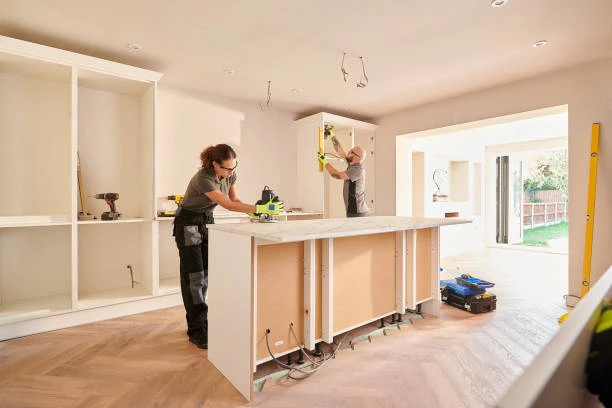

Home renovations can breathe new life into your space—but they can also come with a fair share of stress if not properly planned. From budget blowouts to project delays, unexpected hiccups can turn your dream remodel into a nightmare. But don’t worry—with the right strategy, you can enjoy a smooth, even enjoyable, renovation experience.
Here’s your complete, step-by-step guide to planning a stress-free home renovation.
1. Define Your Renovation Goals
Start by getting clear on why you want to renovate. Are you updating for aesthetics, improving functionality, increasing property value, or all of the above?
Ask yourself:
- What’s not working in your current space?
- What’s your must-have vs. nice-to-have?
- What’s your timeline?
Having a well-defined vision will guide every decision moving forward.
2. Set a Realistic Budget (and Add a Buffer!)
Budgeting is one of the most critical (and most stress-inducing) parts of renovation planning. Be thorough:
- Factor in materials, labor, permits, design fees, and clean-up.
- Always add a 10–20% contingency for unexpected costs.
Tip: Prioritize your spending. Invest in quality where it counts (e.g., plumbing, electrical, insulation), and save on cosmetic finishes where possible.
3. Research and Hire the Right Professionals
The right team can make or break your renovation experience. Depending on the scope of your project, you may need:
- An architect or designer
- A general contractor
- Specialized trades (plumbers, electricians, etc.)
Look for licensed, insured professionals with positive reviews, and don’t be afraid to ask for references or view past work.
4. Create a Detailed Project Plan and Timeline
Once you have your team and budget in place, collaborate to build a step-by-step renovation plan:
- Define each project phase
- Assign timelines and deadlines
- Identify dependencies (e.g., when plumbing must be completed before tiling begins)
This keeps everyone on the same page and helps prevent delays.
5. Secure Permits and Approvals Early
Depending on your location and the nature of your renovation, permits might be required for:
- Structural changes
- Electrical or plumbing work
- Additions or demolitions
Apply early—waiting on permits is a common source of delay.
6. Prepare for Disruption
Even small renovations can impact your daily routine. To reduce stress:
- Set up a temporary kitchen or bathroom if needed
- Move valuables or furniture out of work zones
- If necessary, consider alternate living arrangements
Communication is key—check in regularly with your contractor to track progress and tackle issues early.
7. Expect the Unexpected
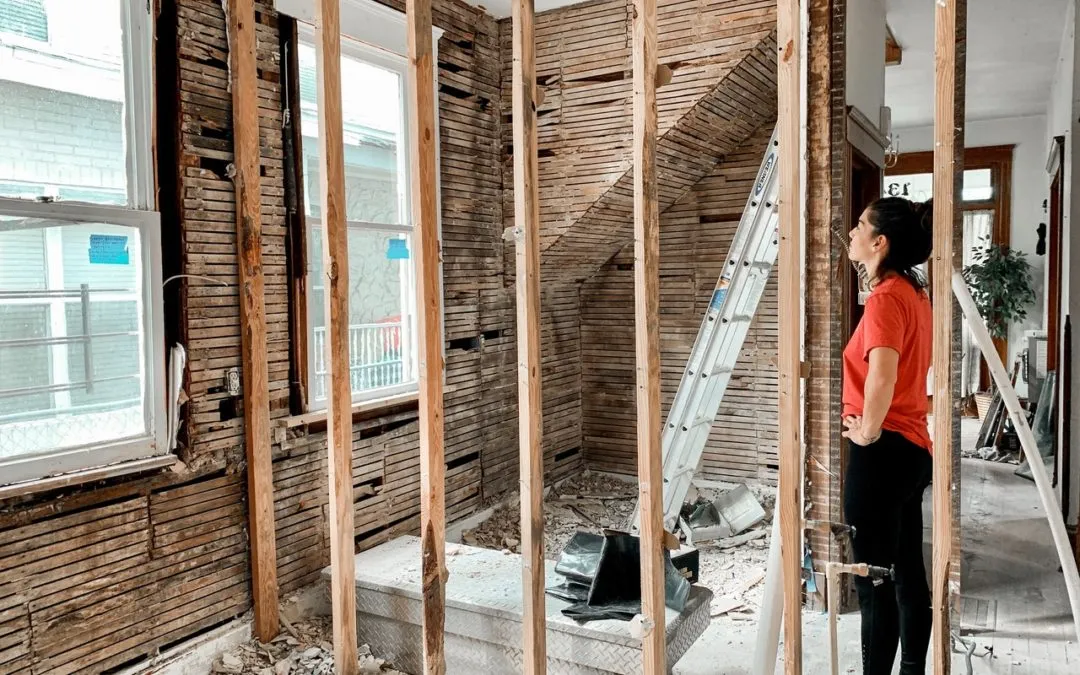
No renovation goes 100% according to plan. Hidden mold, outdated wiring, or back-ordered materials can all pop up. That’s why flexibility—and your budget buffer—are essential.
Stay solution-focused and lean on your contractor for alternatives.
8. Stay Organized and Communicate
Keep all documents, receipts, and contacts in one place—either digitally or in a binder. Use shared calendars or project management tools if your renovation is more complex.
Don’t be afraid to speak up. Clear, respectful communication with your team ensures everyone is aligned.
9. Do a Final Walkthrough
Before signing off on the project:
- Inspect every area
- Test appliances, lights, faucets, etc.
- Create a “punch list” of anything incomplete or needing adjustments
Once everything is done, take a moment to celebrate your new space!
10. Maintain and Enjoy Your Renovated Home
Now that the dust has settled—literally—put a maintenance plan in place to keep everything in top shape. Stay on top of filters, sealants, caulking, and appliance servicing.
And most importantly? Enjoy your refreshed, personalized space!
For More Details
Visit us:- Melbourne’s Premier Renovation Experts
Phone: +61 0449 966 751
E-mail: [email protected]



























Sign in to leave a comment.