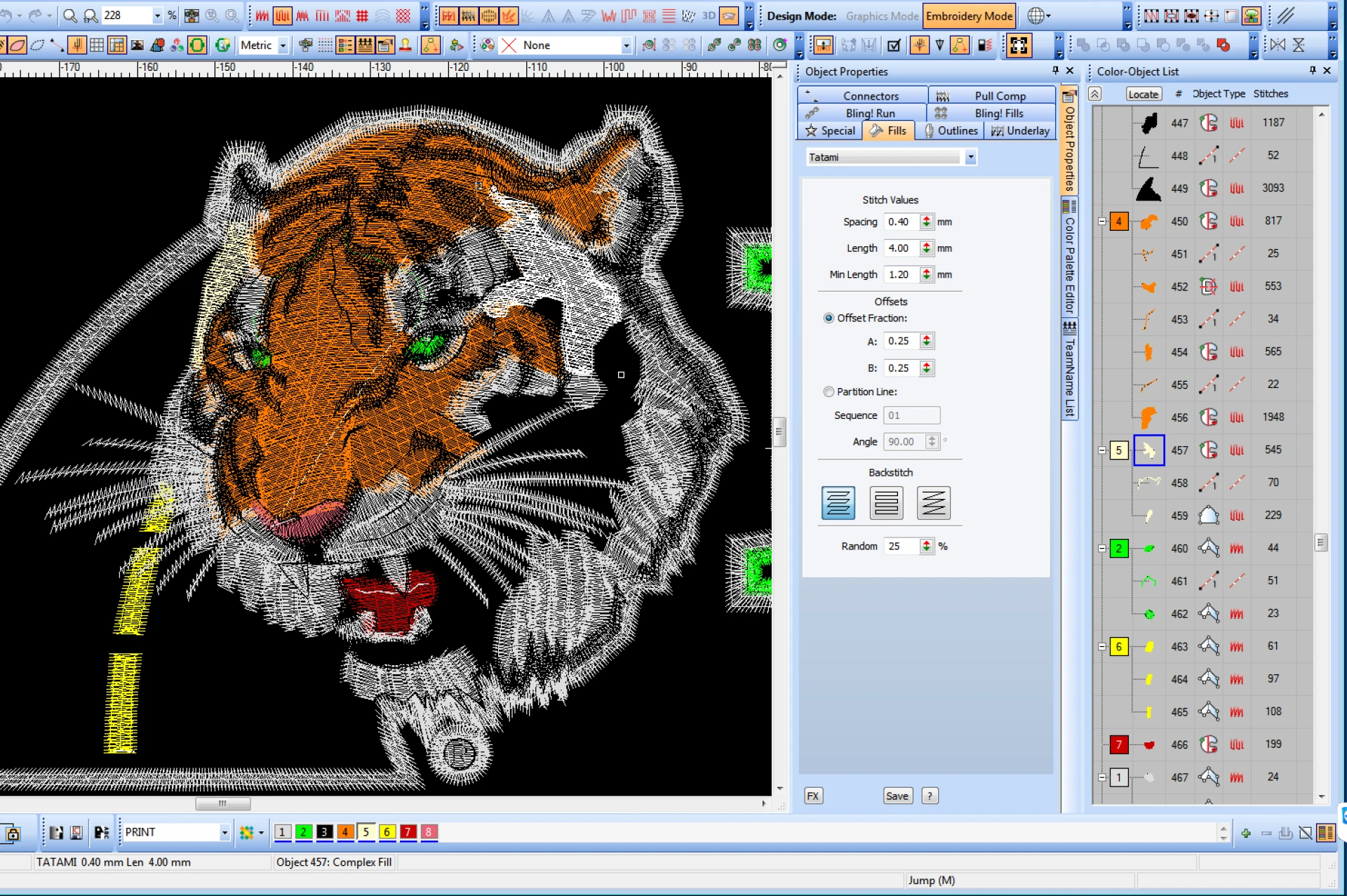
Introduction to Embroidery Digitizing
Embroidery digitizing is the art of converting artwork, logos, or designs into a digital stitch file that embroidery machines can interpret and sew onto fabric. This process is essential for businesses, apparel brands, and hobbyists who want high-quality, durable, and precise embroidered products.
Whether you need custom embroidery digitizing for corporate uniforms, promotional items, or personalized gifts, understanding the digitizing process is crucial for achieving professional results.
Why Embroidery Digitizing Matters
· Ensures stitch accuracy and consistency
· Prevents thread breaks, gaps, or misalignment
· Optimizes designs for different fabrics and garments
· Saves time and money by reducing errors
In this comprehensive guide, we'll cover:
✔ What embroidery digitizing is and how it works
✔ Types of digitizing services for embroidery
✔ How to choose the best embroidery digitizing company
✔ Common mistakes to avoid
✔ Advanced techniques and industry trends
✔ FAQs about professional digitizing
What Is Embroidery Digitizing?
Embroidery digitizing is not simply converting an image into stitches—it's a technical process that requires expertise. A skilled digitizer manually assigns stitch types, directions, and densities to ensure the design stitches out correctly.
Key Elements of Digitizing
· Stitch Types:
o Satin Stitch (for borders and text)
o Fill Stitch (for large, solid areas)
o Running Stitch (for fine details)
· Stitch Direction & Density:
o Affects durability and appearance
o Too few stitches = gaps; too many = stiff fabric
· Underlay Stitches:
o Stabilizes fabric before top stitching
o Prevents puckering and distortion
File Formats Used in Embroidery Digitizing
· .DST (Tajima) – Most common industrial format
· .PES (Brother) – Popular for home machines
· .EXP (Melco) – Used by commercial machines
· .JEF (Janome) – Common in home embroidery
A professional embroidery digitizing service will ensure your design is optimized for the best stitch quality.
Types of Embroidery Digitizing Services
Different embroidery projects require specialized digitizing techniques. Here are the most common services:
1. Custom Embroidery Digitizing
· Perfect for logos, monograms, and unique designs
· Used for:
o Company uniforms
o Branded merchandise
o Personalized gifts
2. Digitizing Services for Hats and Caps
· Requires special adjustments due to curved surfaces
· Uses tighter stitches to prevent loose threads
· Common applications:
o Baseball caps
o Beanies
o Snapbacks
3. Left Chest Embroidery Digitizing Experts
· Designed for logos on dress shirts and polos
· Balances detail with stitch count for a clean look
4. High-Quality Embroidery Digitizing for Small Businesses
· Affordable solutions for startups and local brands
· Helps businesses maintain a professional image
5. 3D Puff Embroidery Digitizing
· Adds raised, textured effects
· Often used for hats and athletic wear
Advanced Embroidery Digitizing Techniques
To achieve truly professional results, digitizers use several advanced techniques:
1. Complex Gradient Effects
· Blends thread colors smoothly
· Creates photorealistic shading
2. Specialty Stitch Patterns
· Crosshatch fills for textured looks
· Contour stitching for dimensional effects
3. Micro-Digitizing for Small Logos
· Maintains clarity in tiny designs
· Uses specialized stitch patterns
4. Multi-Head Machine Optimization
· Adjusts designs for simultaneous stitching
· Ensures consistency across multiple garments
How to Choose the Best Embroidery Digitizing Company
Not all digitizing services are equal. Follow these tips to find the best provider:
✔ Experience & Expertise
· Look for companies with 5+ years in professional embroidery digitizing
· Check their portfolio for complex designs (shadows, gradients, small text)
✔ Turnaround Time & Pricing
· Standard turnaround: 24-48 hours
· Rush services available (extra cost)
· Compare prices—some offer affordable embroidery digitizing services for businesses
✔ File Compatibility & Revisions
· Ensure they support multiple formats (.DST, .PES, .EXP)
· Choose companies that offer free revisions if adjustments are needed
✔ Customer Reviews & Guarantees
· Read testimonials for reliability
· Look for satisfaction guarantees
Industry Trends in Embroidery Digitizing
The digitizing industry continues to evolve with new technologies:
1. AI-Assisted Digitizing
· Machine learning helps automate basic digitizing
· Human oversight still required for quality
2. Cloud-Based Digitizing
· Allows for remote collaboration
· Faster file sharing and revisions
3. Eco-Friendly Digitizing
· Optimizes designs to reduce thread waste
· Supports sustainable embroidery practices
4. Augmented Reality Previews
· Lets clients visualize designs on garments before stitching
Common Embroidery Digitizing Mistakes to Avoid
Even small errors can ruin an embroidery project. Avoid these mistakes:
✖ Poor Stitch Density
· Too few stitches = gaps
· Too many stitches = stiff, bulky fabric
✖ Ignoring Fabric Type
· Stretchy fabrics (like knits) need different settings than stiff materials
✖ Overcomplicating Small Designs
· Tiny details may get lost—simplify for clarity
✖ Skipping Test Runs
· Always stitch a sample before bulk production
FAQs About Embroidery Digitizing
Q1: How much does embroidery digitizing cost?
A: Typically 10−10−50 per design, depending on complexity. Bulk discounts may apply.
Q2: What's the best file format for digitizing?
A: Vector files (AI, EPS) are ideal, but high-resolution PNG/JPG can also work.
Q3: Can you digitize a photo into embroidery?
A: Yes, but photos require advanced techniques to avoid looking pixelated.
Q4: How long does digitizing take?
A: Simple designs: 24 hours. Complex logos: 2-3 days.
Q5: What's the difference between embroidery digitizing and vector art?
A: Vector art is for printing; digitizing converts it into stitches.
Q6: Can I edit a digitized file myself?
A: Only with specialized software like Wilcom or Pulse. Most clients rely on their digitizing service for edits.
Q7: How many stitches should my design have?
A: Depends on size and complexity. A 3" logo typically has 5,000-10,000 stitches.
Q8: What's the minimum size for readable text?
A: Generally 1/4" tall for basic fonts. Some specialty fonts may require larger sizing.
Final Thoughts
Choosing the right embroidery digitizing company ensures professional, long-lasting results. Whether you need left chest embroidery digitizing experts for corporate wear or digitizing services for hats and caps, investing in quality digitizing pays off.
Key Takeaways:
✔ Professional digitizing prevents stitching errors
✔ Custom embroidery digitizing enhances brand consistency
✔ Always test designs before bulk orders
✔ Stay updated with the latest digitizing technologies
For businesses seeking high-quality embroidery digitizing for small businesses, expert digitizing is a must.
Need a quote? Contact a trusted professional embroidery digitizing service today!






















Sign in to leave a comment.