
Wireless technologies continue to evolve at an unprecedented pace. From Wi-Fi 7 and private 5G networks to connected vehicles and smart industrial systems, modern devices rely heavily on reliable wireless communication. As these technologies become more complex, ensuring accurate RF performance testing is no longer optional—it's essential.
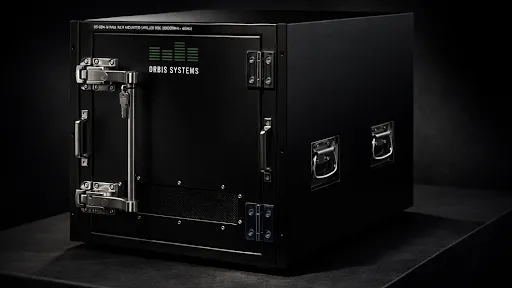
In 2026, manufacturers face growing pressure to validate wireless products faster while maintaining compliance with increasingly stringent industry standards. This has driven demand for advanced testing environments that eliminate external interference and deliver repeatable results. One of the most effective solutions is the rf shielded box, a compact and highly controlled testing environment designed specifically for wireless device validation.
Whether you're developing IoT devices, smartphones, automotive modules, medical equipment, or industrial sensors, understanding how RF shielded box testing works can significantly improve product quality, testing efficiency, and time-to-market.
Key Takeaways
- Learn what RF shielded box testing is and why it matters for wireless device development.
- Understand the benefits and challenges of implementing shielded testing environments.
- Discover key features to consider when selecting a testing solution.
- Explore best practices for improving testing accuracy and repeatability.
- Find answers to common questions about wireless device RF validation.
What Is RF Shielded Box Testing?
RF shielded box testing involves placing a wireless device inside a specially designed enclosure that blocks external radio frequency signals. This creates a controlled environment where engineers can evaluate device performance without interference from nearby wireless networks, cellular signals, Bluetooth devices, or other RF sources.
The primary purpose is to ensure that testing results accurately reflect the device's actual performance rather than environmental conditions.
Shielded boxes are widely used during:
- Product development and validation
- Production-line testing
- Quality assurance processes
- Regulatory compliance testing
- Research and development projects
By isolating the device under test, organizations can obtain consistent and repeatable measurements that help improve design decisions and reduce costly testing errors.
Why Wireless Device Testing Is Becoming More Critical
The wireless ecosystem has become increasingly crowded. Modern devices often support multiple technologies simultaneously, including:
- 5G
- LTE
- Wi-Fi
- Bluetooth
- Zigbee
- GNSS
- UWB
As more radios operate within a single product, engineers must verify coexistence, antenna performance, signal integrity, and overall communication reliability.
Without proper isolation, environmental RF noise can introduce measurement inaccuracies, making it difficult to identify real performance issues.
This challenge becomes even greater in high-volume manufacturing environments where speed and consistency are essential. Reliable testing infrastructure helps manufacturers maintain quality standards while meeting production deadlines.
How an RF Shielded Box Works
A shielded enclosure is constructed using conductive materials designed to block electromagnetic signals from entering or leaving the test environment.
Inside the enclosure, engineers may integrate:
- RF antennas
- Couplers
- Power supplies
- Measurement instruments
- Automation interfaces
- Monitoring systems
The device under test communicates with testing equipment while remaining isolated from external RF activity.
This controlled setup allows engineers to measure parameters such as:
- Signal strength
- Receiver sensitivity
- Transmit power
- Antenna efficiency
- Throughput performance
- Connection stability
The result is a highly repeatable testing process that supports both development and production requirements.
Key Benefits of RF Shielded Box Testing
Improved Measurement Accuracy
One of the biggest advantages of shielded testing is eliminating interference from surrounding wireless signals.
Accurate measurements enable engineering teams to identify genuine product issues and make data-driven improvements.
Consistent and Repeatable Results
Testing consistency is critical throughout product development.
A controlled environment ensures that measurements remain stable across different test sessions, operators, and locations.
Faster Product Validation
When engineers can trust their test results, troubleshooting becomes more efficient.
This reduces development cycles and helps products reach the market faster.
Enhanced Manufacturing Efficiency
Automated testing systems frequently rely on shielded environments to validate wireless functionality during production.
This improves throughput while maintaining quality control standards.
Better Compliance Preparation
Many wireless products must meet industry and regulatory requirements before commercialization.
Shielded testing helps organizations verify performance characteristics before formal certification testing begins.
Common Challenges in Wireless Device Testing
While RF testing offers substantial benefits, organizations often encounter several challenges.
Increasing Device Complexity
Modern products integrate multiple wireless technologies, antennas, and communication protocols.
Testing these systems requires sophisticated validation methods and equipment.
Environmental Interference
Open-air testing environments are vulnerable to external RF signals that can distort measurements.
Even nearby devices can introduce unwanted variability into test results.
Scalability Requirements
As production volumes increase, organizations need testing solutions capable of supporting automation and high throughput.
Cost Considerations
Selecting the wrong testing infrastructure may lead to inaccurate results, repeated testing, and longer development cycles.
Investing in the appropriate solution from the start often delivers significant long-term savings.
Features to Look for in an RF Shielded Box
Not all shielded enclosures are designed for the same applications.
When evaluating options, consider the following factors.
Shielding Effectiveness
Higher shielding performance provides better isolation from external signals.
The required level depends on the frequencies and technologies being tested.
Frequency Coverage
Ensure the enclosure supports current and future wireless technologies, including emerging 5G and Wi-Fi applications.
Automation Compatibility
Manufacturers increasingly rely on automated testing systems.
Look for solutions that integrate easily with robotic systems, software platforms, and automated test equipment.
Internal Space
The enclosure should comfortably accommodate both the device under test and required accessories.
Connectivity Options
Modern testing environments often require:
- Ethernet connections
- RF feedthroughs
- USB ports
- Power interfaces
- Fiber connections
Flexible connectivity simplifies testing workflows.
Durability and Reliability
Frequent use demands robust construction that maintains shielding performance over time.
Reliable designs reduce maintenance requirements and operational downtime.
Best Practices for Optimizing RF Shielded Box Testing
Organizations can maximize testing effectiveness by following several proven strategies.
Define Testing Objectives Early
Establish clear performance metrics before beginning validation activities.
This helps ensure testing procedures align with project requirements.
Verify Shielding Performance Regularly
Routine inspections can identify wear, damage, or seal degradation that may affect isolation performance.
Standardize Test Procedures
Consistent testing methods improve repeatability and simplify result comparison across teams and locations.
Integrate Automation Where Possible
Automated testing reduces human error while increasing throughput and operational efficiency.
Plan for Future Technologies
Wireless standards continue to evolve rapidly.
Selecting scalable testing infrastructure helps protect investments and supports future development programs.
Applications Across Industries
RF shielded testing supports a wide range of industries and applications.
Telecommunications
Manufacturers validate smartphones, routers, access points, and communication modules.
Automotive
Connected vehicles rely on wireless technologies for navigation, infotainment, telematics, and V2X communication.
Industrial IoT
Factories deploy thousands of connected devices that require reliable wireless performance.
Medical Technology
Wireless medical devices must maintain secure and dependable communication in critical environments.
Consumer Electronics
Smart home products, wearables, tablets, and entertainment systems all benefit from accurate RF validation.
Frequently Asked Questions
What is an RF shielded box used for?
An RF shielded box is used to isolate wireless devices from external electromagnetic signals during testing. This allows engineers to perform accurate measurements of wireless performance, antenna behavior, and communication reliability.
How does RF shielded box testing improve accuracy?
By blocking unwanted RF interference, the testing environment becomes controlled and repeatable. This ensures measurement results reflect actual device performance rather than surrounding wireless activity.
Can RF shielded boxes support automated testing?
Yes. Many modern systems are specifically designed to integrate with automated test equipment, robotic handling systems, and software-controlled testing workflows.
What devices can be tested inside a shielded enclosure?
Common examples include smartphones, IoT sensors, Wi-Fi products, Bluetooth devices, automotive communication modules, GNSS receivers, and medical wireless equipment.
How often should shielding performance be verified?
Organizations should perform regular inspections and validation checks as part of routine maintenance programs. Testing frequency depends on usage intensity and quality requirements.
Is an RF shielded box suitable for production-line testing?
Absolutely. Many manufacturers use an rf shielded box for end-of-line testing because it delivers fast, repeatable, and reliable validation of wireless functionality before products are shipped.
Take the Next Step Toward More Reliable Wireless Testing
As wireless technologies continue to expand across industries, testing accuracy becomes a critical factor in product success. Investing in the right testing environment helps organizations reduce development risks, improve manufacturing quality, and accelerate time-to-market.
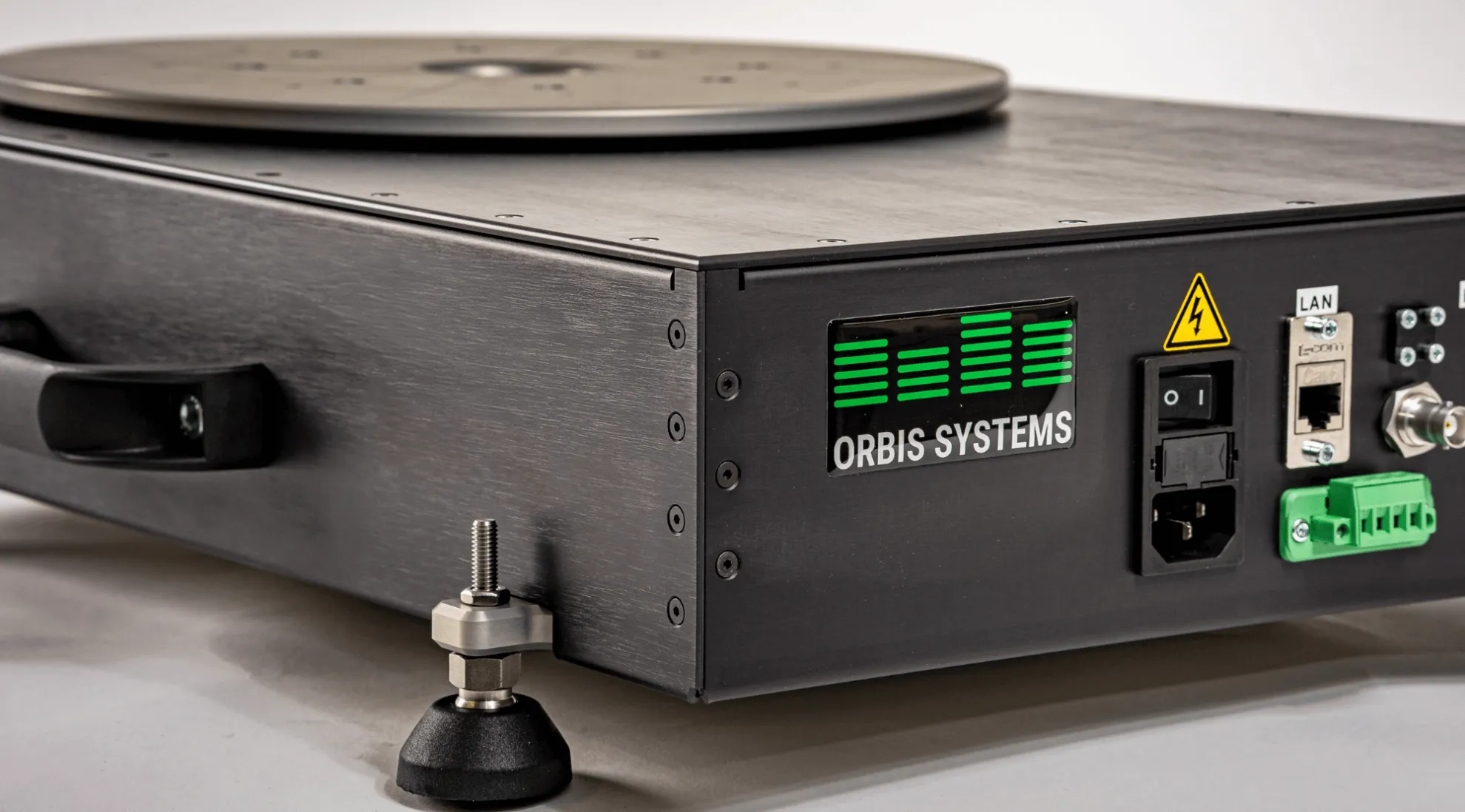
A well-designed rf shielded box enables engineers to perform precise validation while supporting future wireless innovations. For organizations seeking advanced RF testing solutions, Orbis Systems continues to deliver trusted expertise, innovative engineering, and high-performance test environments that help manufacturers achieve reliable and repeatable wireless testing results.






















Sign in to leave a comment.