
Sound baths have emerged as one of the most popular wellness practices in recent years, offering participants a deeply immersive acoustic experience that promotes relaxation, meditation, and healing. At the heart of every sound bath lies a collection of specialized instruments that create the therapeutic vibrations and harmonics characteristic of this ancient practice. Understanding these tools, their unique properties, and how they contribute to the overall experience can deepen your appreciation for sound healing or help you begin your own practice.
What Is a Sound Bath?
Before exploring the tools themselves, it's essential to understand what a sound bath entails. Unlike traditional music performances, a sound bath is a meditative experience where participants typically lie down and allow themselves to be "bathed" in sound waves produced by various instruments. These sound waves create vibrations that are believed to help shift brain wave states from our normal waking consciousness (beta state) to more relaxed states (alpha and theta), promoting deep rest, emotional release, and healing.
The Primary Sound Bath Instruments
Singing Bowls
Singing bowls are perhaps the most iconic sound bath instruments, and they come in several varieties. Tibetan singing bowls, traditionally made from a seven-metal alloy, have been used for centuries in meditation and ritual. These bowls produce rich, complex overtones when struck or when a mallet is circled around their rim. The sound created is both grounding and transcendent, with vibrations that can be felt physically when the bowl is placed on the body.
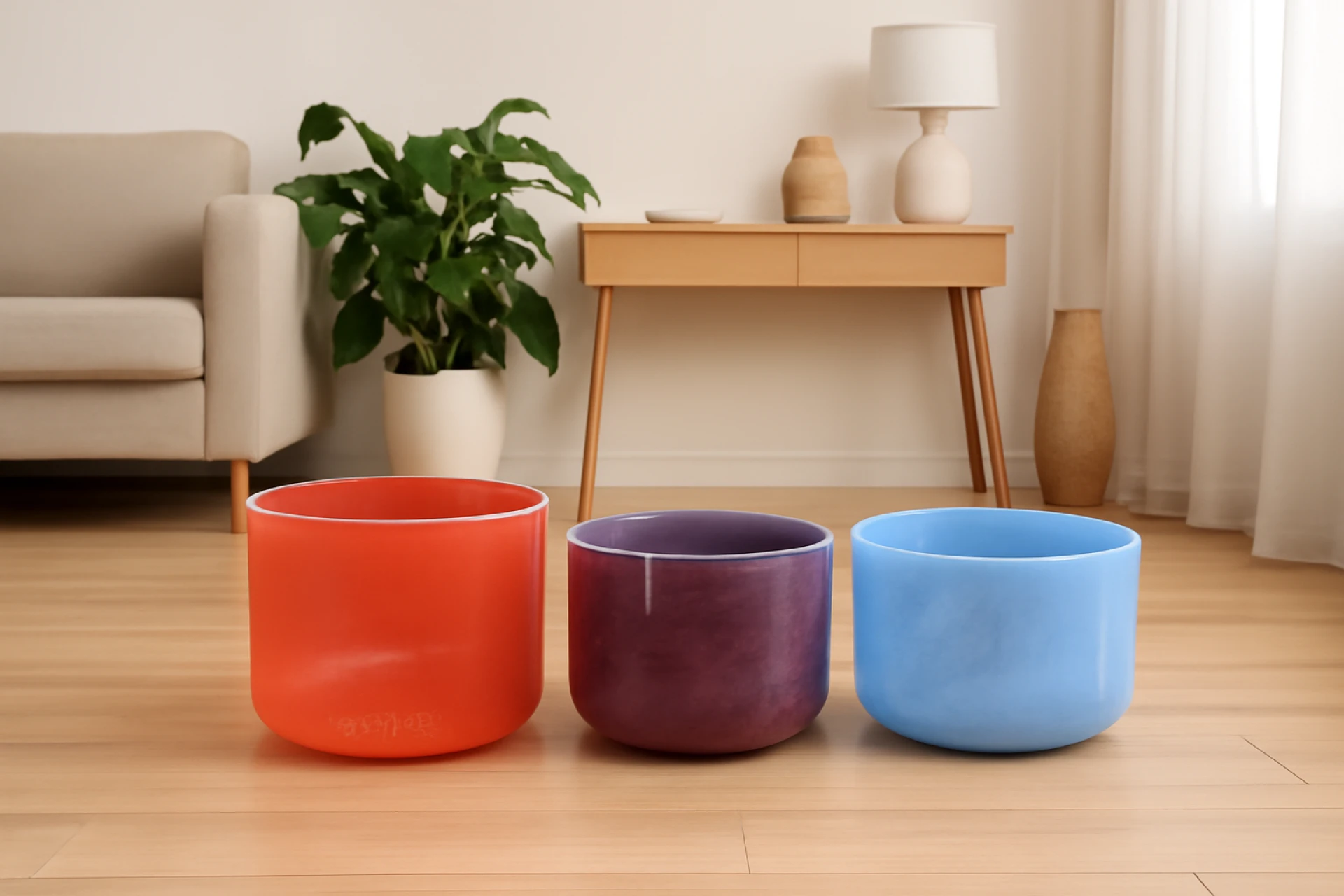
Crystal singing bowls, a more modern addition to the sound healing toolkit, are made from pure quartz crystal. These bowls create a more sustained, pure tone compared to their metal counterparts. Each bowl is typically tuned to a specific note corresponding to one of the body's chakras or energy centers. The clear, penetrating tones of crystal bowls can fill a space completely, creating an almost otherworldly sonic environment. Many practitioners use sets of crystal bowls tuned to different notes, allowing them to create harmonic progressions and resonances throughout a session.
Gongs
The gong is often considered the most powerful instrument in a sound practitioner's arsenal. These large, circular metal discs produce an enormous range of sounds, from deep, rumbling bass tones to shimmering high-frequency overtones. When played skillfully, a gong can create a "sound massage" that seems to wash over and through the body.
Gongs come in various sizes and types. Symphonic gongs, also called tam-tams, have a flat surface and produce a complex mixture of frequencies. Planetary gongs are tuned to specific frequencies calculated from the orbital properties of celestial bodies, each believed to resonate with different aspects of human consciousness. Wind gongs, Chinese traditional bronze gong type, have a raised center boss and produce a faster onset and quicker crash.
The beauty of the gong lies in its ability to produce waves of sound that build, crash, and recede like ocean tides. Experienced gong players can create journeys through sound, guiding participants through different emotional and energetic landscapes.
Chimes and Bells
Chimes add another dimension to sound baths with their bright, clear tones that seem to hang in the air. Koshi chimes, Zaphir chimes, and tingsha bells are commonly used to mark transitions during a session or to add accents of crystalline sound. These instruments often represent the element of air and can help clear energy and bring participants back to awareness at the end of a session.
Bar chimes, sometimes called energy chimes or meditation chimes, consist of a series of metal tubes suspended in a frame. When struck, they create a cascade of harmonious tones that shimmer and decay slowly, adding texture and dimension to the sonic landscape.
Tuning Forks
Tuning forks are precision instruments that vibrate at specific frequencies when struck. In sound healing, weighted tuning forks are often placed directly on the body at specific points, allowing the vibration to travel through tissue and bone. Different forks are tuned to frequencies believed to correspond with different aspects of health and wellness.
The Solfeggio frequencies (396 Hz, 417 Hz, 528 Hz, 639 Hz, 741 Hz, and 852 Hz) are particularly popular in sound healing, with each frequency associated with different healing properties. For example, 528 Hz is often called the "love frequency" and is said to promote DNA repair and transformation, while 432 Hz is considered the "natural frequency of the universe" and is believed to promote deep relaxation and healing.
Drums and Percussion
Frame drums, ocean drums, and shamanic drums bring an earthy, grounding element to sound baths. The steady, rhythmic beating of a drum can entrain brain waves, helping to shift consciousness into meditative states. The repetitive nature of drumming has been used in spiritual practices across cultures for millennia to induce trance states and facilitate healing.
Ocean drums, which contain small beads that roll across the drumhead, create sounds reminiscent of waves, adding a soothing natural element. Rain sticks produce a similar gentle, flowing sound that many find deeply calming.
Additional Instruments
Many sound bath practitioners incorporate other instruments to create variety and depth. The didgeridoo, an ancient Australian wind instrument, produces deep, droning sounds with complex harmonic overtones. Shruti boxes or tanpuras provide a continuous background drone that creates a foundation for other instruments. Native American flutes, harmoniums, and even the human voice through toning or overtone singing can all contribute to the sonic tapestry of a sound bath.
Choosing Your Sound Bath Tools
For those interested in starting their own practice, choosing instruments can feel overwhelming. Consider beginning with one or two quality pieces rather than collecting many instruments at once. A good singing bowl or a small gong can be sufficient to create meaningful experiences. As you develop your practice and understanding, you can gradually expand your collection.
Quality matters significantly with sound healing instruments. Well-crafted instruments will have better tonal quality, longer sustain, and more pleasing overtones. When possible, try instruments in person before purchasing, as each piece has its own unique voice and you may find yourself drawn to particular tones or vibrations.
The Science and Theory
While sound baths are rooted in ancient practices, modern science is beginning to validate some of their effects. Research shows that sound therapy can reduce stress, lower blood pressure, improve sleep, and decrease pain perception. The mechanism appears to involve the entrainment of brain waves to the frequencies present in the sound environment, promoting states of deep relaxation.
The concept of resonance is central to sound healing. Every object, including the cells and organs in our bodies, has a natural resonant frequency. Sound healing practitioners believe that by exposing the body to specific frequencies, they can help restore proper resonance and balance where disharmony exists.
Conclusion
Sound bath tools are more than just musical instruments; they are portals to altered states of consciousness, vehicles for healing, and bridges between the physical and subtle realms of existence. Whether you're experiencing a sound bath as a participant or considering becoming a practitioner, understanding these instruments enhances the depth and richness of the experience. Each tool brings its own unique energy and healing properties, and together they create the multidimensional sonic environments that make sound baths such powerful experiences for transformation and healing.
The journey into sound healing is ultimately one of listening, feeling, and allowing the vibrations to work their subtle magic. As you explore these instruments, you may find that they open doors to inner landscapes you never knew existed, offering a path to relaxation, healing, and self-discovery through the universal language of sound.































Sign in to leave a comment.