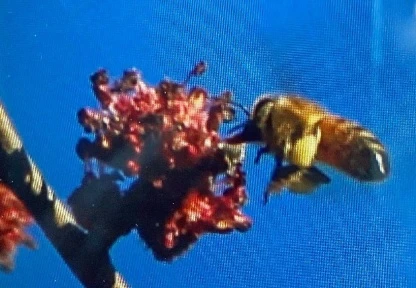

Varroa mites (Varroa destructor) are among the most serious threats to honey bee colonies worldwide. These parasitic mites feed on the fat bodies and hemolymph of bees, weakening individuals and spreading deadly viruses like Deformed Wing Virus (DWV). Untreated infestations can decimate hives, reduce honey production, and even lead to colony collapse. For both hobbyist and commercial beekeepers, understanding how to effectively treat Varroa mites throughout the year is essential.
Understanding Varroa Mites
Before diving into treatment, it is important to understand the biology and behavior of Varroa mites:
- Lifecycle: Varroa mites reproduce inside capped brood cells, primarily targeting drone brood. Female mites enter the cell before it is capped, lay eggs, and the offspring feed on the developing bee.
- Impact on bees: Mites weaken bees, reduce lifespan, and transmit viruses such as DWV, ABPV, and CBPV. Symptoms include deformed wings, shriveled abdomens, and reduced foraging ability.
- Detection: Regular monitoring using sugar shakes, alcohol washes, or sticky boards is critical to detect infestations early and determine treatment thresholds.
Step 1: Monitoring and Assessing Infestation
Effective Varroa control starts with accurate monitoring:
- Sugar Shake Method: Collect ~300 bees from the brood frame, shake with powdered sugar, and count the mites dislodged.
- Alcohol Wash: Similar to the sugar shake but uses alcohol to kill and dislodge mites, providing precise counts.
- Sticky Boards: Place sticky boards under the hive to catch falling mites over 24–48 hours.
Thresholds:
- Treat when 2–3% of adult bees are infested during active brood periods.
- Lower thresholds may be necessary in small or stressed colonies.
Step 2: Seasonal Treatment Planning
Varroa management must be adapted to the season because mite reproduction and colony dynamics change throughout the year.
Spring
- Goal: Prevent mite population growth as the colony expands.
- Methods:
- Apply organic acids like formic acid (e.g., MAQS strips) if brood is present.
- Perform drone brood removal to reduce mites in reproductive cells.
- Use screened bottom boards to allow mites to fall out of the hive.
Summer
- Goal: Maintain low mite populations and protect honey production.
- Methods:
- Continue organic treatments if needed.
- Rotate chemical treatments, using Apivar (Amitraz) or Bayvarol (Flumethrin) strips if infestations are high.
- Monitor mite levels regularly to avoid exceeding thresholds.
Autumn / Fall
- Goal: Reduce mites before winter, when brood is limited.
- Methods:
- Apply oxalic acid vaporization or dribble treatments, particularly effective during broodless periods.
- Perform a final brood inspection and remove excess drone brood if necessary.
- Ensure queen's health and hive strength for overwintering.
Winter
- Goal: Maintain colony health while mites have limited reproduction opportunities.
- Methods:
- Use oxalic acid treatments, as mites are concentrated on adult bees with minimal brood present.
- Avoid disturbing the hive excessively to prevent stress during cold periods.
Step 3: Choosing the Right Treatment
Organic / Bee-Safe Options
- Oxalic Acid: Low toxicity to adult bees, most effective in broodless periods, applied via dribble, spray, or vaporization.
- Formic Acid (MAQS strips): Penetrates capped brood, safe for brood if used according to label instructions.
- HopGuard® (Hop beta acids): Non-toxic strips that target mites without harming bees.
Synthetic Options
- Apivar (Amitraz strips): Slow-release treatment; highly effective. Rotate annually to prevent resistance.
- Bayvarol (Flumethrin strips): Slow-release strips with proven efficacy; follow application timing closely.
Mechanical / Cultural Controls
- Drone brood removal: Mites prefer drone brood; removing frames interrupts reproduction.
- Screened bottom boards: Let mites fall out of the hive naturally.
- Hive splitting / requeening: Reduces colony density and mite reproduction.
Step 4: Application Best Practices
- Follow label instructions carefully for dosage and timing.
- Treat during low bee activity (early morning or evening) to minimize stress and avoid exposure.
- Ensure hive ventilation when using volatile chemicals like formic acid.
- Avoid treating during heavy nectar flow to protect honey quality.
- Wear protective equipment when handling acids or chemical strips.
Step 5: Post-Treatment Management
- Monitor mite levels 1–2 weeks after treatment to confirm effectiveness.
- Record treatments in a hive log for future rotation planning.
- Maintain colony health: Ensure adequate food stores and a healthy queen to support winter survival.
- Rotate treatments: Avoid repeated use of the same chemical group to reduce mite resistance.
Step 6: Integrated Pest Management (IPM)
Combining monitoring, chemical rotation, and cultural methods forms an Integrated Pest Management (IPM) strategy:
- Monitor regularly – detect infestations before they get out of control.
- Use multiple methods – alternate chemical, organic, and mechanical controls.
- Prevent resistance – rotate chemical classes yearly and use organic options when possible.
- Protect pollinators – choose bee-safe treatments and apply responsibly.
IPM ensures long-term sustainability and healthy hives, while reducing environmental impact.
Step 7: Common Mistakes to Avoid
- Treating too late or too infrequently.
- Using the same chemical repeatedly, leads to resistance.
- Applying treatments during peak foraging or flowering, which can harm bees.
- Ignoring colony strength and overall hive health.
By avoiding these mistakes, beekeepers can maximize the effectiveness of Varroa mite treatments.
Conclusion
Varroa mites are a persistent and dangerous pest for honey bee colonies, but with careful monitoring, seasonal planning, and integrated treatments, they can be managed effectively. The key steps are:
- Monitor infestation levels regularly.
- Plan treatments according to season and colony dynamics.
- Choose the right treatment – organic, synthetic, or mechanical.
- Follow safe application practices.
- Implement IPM strategies to prevent resistance and protect pollinators.
By following this complete guide, beekeepers can maintain healthy, productive colonies, reduce colony losses, and support the essential pollination services that honey bees provide to agriculture and ecosystems.


























Sign in to leave a comment.