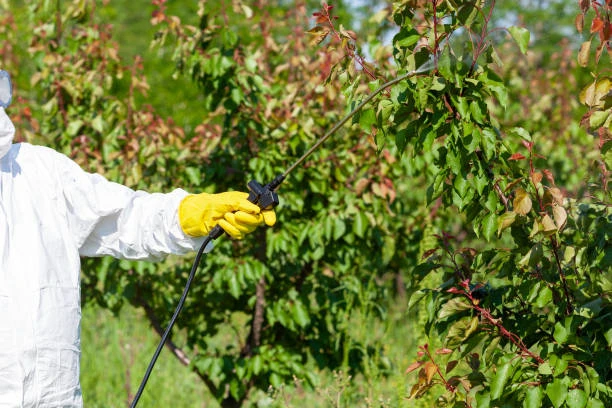

In forests, parks and urban neighbourhoods around the world, trees are facing unprecedented threats: not just from deforestation and development, but increasingly from a surge in diseases that weaken, disfigure and kill entire species. While pathogens and pests have always been part of natural ecosystems, scientists and tree disease experts are raising the alarm that climate change is accelerating the spread, severity and impact of tree diseases. For communities that depend on forests for clean air, water, wildlife habitat and economic benefits, understanding this connection has become essential.
The Climate–Tree Disease Connection
Trees have evolved over millennia alongside a host of natural enemies — fungi, bacteria, viruses, and insect pests. In healthy ecosystems, these relationships are usually balanced. However, subtle shifts in temperature, precipitation, and seasonal patterns caused by climate change are upsetting that balance.
According to tree disease specialists, there are four main climate-related mechanisms driving the rise in tree disease severity:
Warmer Temperatures Fuel Pathogens and Pests
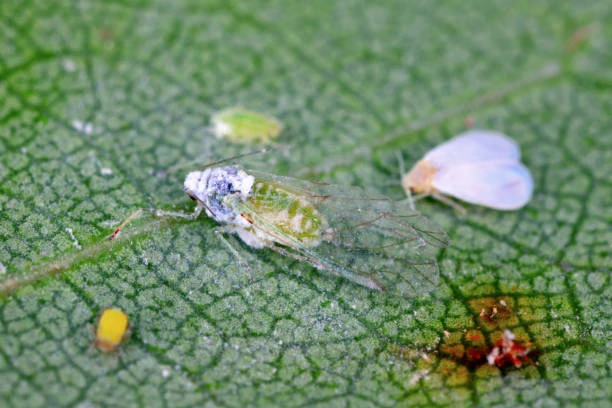
Many disease-causing organisms and the insects that carry them multiply faster in warmer conditions. For example, tree-killing bark beetles — which carry fungal pathogens — thrive and reproduce more rapidly in milder winters, leading to explosive population outbreaks.
Warmer conditions also make it easier for fungal diseases such as root rot and needle blight to establish and spread. These pathogens often had previously been restricted by cold winters that killed off spores or limited growth. With fewer frost days, these natural checks are disappearing.
Drought Stress Weakens Trees
Trees rely on steady water availability to maintain internal defences against pathogens and pests. Longer, more frequent droughts — a hallmark of climate change in many regions — stress trees, impairing their ability to resist infection. A drought-stressed tree is like a weakened human immune system: it becomes far more vulnerable to opportunistic diseases.
For example, drought stress increases susceptibility to Armillaria root rot and can make trees more appealing to wood-boring insects. Research shows that water-limited trees often produce fewer defensive compounds, allowing pathogens to invade more easily.
Altered Rainfall Patterns Aid Disease Spread
Climate models predict more variable rainfall — heavy downpours followed by dry spells — in many parts of the world. This pattern creates ideal conditions for certain pathogens. Fungi that cause leaf spots, cankers, and rots often rely on moisture to germinate and spread. Extended wet periods on foliage allow spores to infect leaves and stems, while subsequent dry spells prevent trees from flushing out the infection.
In tropical and subtropical regions, increased humidity and rainfall variability have been linked to outbreaks of Ganoderma heart rot and other serious wood decay agents.
Range Shifts Bring New Threats
As temperatures shift, tree species and their pests are migrating to new geographic ranges. This movement can lead to novel encounters between trees and pathogens that evolved in isolation. Species that have no natural defence against newly arrived pathogens can suffer catastrophic declines.
For example, trees in northern forests may historically have never encountered certain southern fungal diseases. But as winters become milder and species shift northward, those diseases are now moving with them.
Expert Perspectives on Emerging Tree Health Threats
To better understand the science behind these trends, we turned to forestry experts and plant pathologists. Their insights underscore the complexity — and urgency — of the climate change-driven increase in tree diseases.
Dr. Lauren Mitchell — Forest Pathologist
“Climate change isn’t just warming the planet — it’s fundamentally reshaping ecological interactions. Diseases that were once constrained by cold temperatures are expanding their range, and trees that have evolved without exposure to these pathogens have little innate resistance.”
Dr. Mitchell points to recent outbreaks of phytophthora root diseases in ornamental and forest trees — especially oaks and maples — as a clear example. These soilborne pathogens thrive in wetter conditions, and increased rainfall events are enhancing their spread.
“Combined with drought stress,” she says, “trees are often hit from both sides — weakened by dry spells and then overwhelmed by aggressive pathogens.”
Professor Alan Chen — Entomologist and Forest Health Researcher
Insects play a pivotal role in many tree disease systems, and Professor Chen notes that milder winters allow pest populations to survive and reproduce at higher rates.
“Bark beetles and borers have become particularly problematic. These insects not only weaken trees through feeding, but they also introduce fungal pathogens. When winter temperatures fail to drop low enough to kill off these beetles, their life cycles accelerate.”
He explains that in some regions, bark beetle generations have increased within a single year, compounding the stress on forests already struggling with drought.
Real-World Examples: Disease Outbreaks on the Rise
Sudden Oak Death
Caused by Phytophthora ramorum, sudden oak death has devastated oak populations in parts of North America and Europe. Wetter winters and warmer summers have expanded the pathogen’s suitable habitat.
Dutch Elm Disease
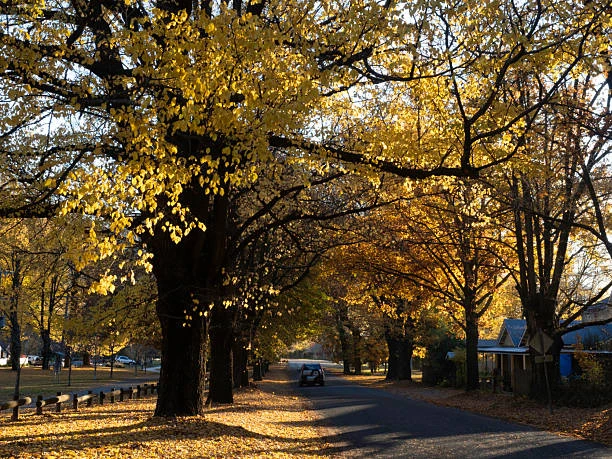
Historically limited by cold winters, Dutch elm disease — spread by bark beetles — has surged as winters warm. Once a rare occurrence in northern forests, outbreaks are now becoming more frequent.
Emerald Ash Borer and Ash Decline
While climate change isn’t the sole cause of the emerald ash borer’s spread, milder winters and longer growing seasons have facilitated its northern range expansion, bringing the destructive beetle into previously unaffected forests.
What This Means for Forest Management
Recognising the link between climate change and tree disease outbreaks means forest managers must adapt their strategies:
1. Diversifying Tree Populations
Planting a mix of species — particularly those adapted to future climate conditions — can reduce the risk that a single pathogen or pest can wipe out entire stands.
2. Monitoring and Early Detection
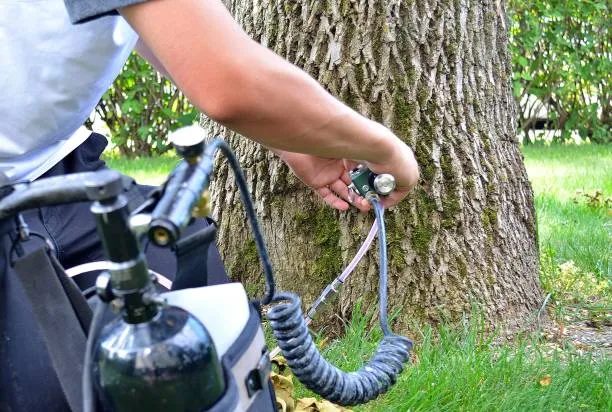
Early detection of invasive pathogens allows for rapid response before diseases become widespread. Increased surveillance, including citizen science programs, can help spot trouble early.
3. Assisting Tree Adaptation
Some experts advocate for assisted migration — helping tree species move to areas where future climates will be more favourable. This controversial strategy requires careful consideration but may be necessary for vulnerable species.
4. Community and Policy Action
Forestry policies must integrate climate projections into disease management plans. Funding for research and public education is critical. Urban planners, too, can help by selecting climate-resilient trees and promoting diverse planting.
Final Words
Trees are more than scenic backdrops; they are essential infrastructure. They sequester carbon, stabilise soil, filter air and water, and support biodiversity. When trees fall ill, the consequences ripple through ecosystems and human communities alike.
As climate change continues to reshape the environmental conditions that have sustained forests for millennia, experts agree that proactive, science-driven management is crucial. Understanding the ways climate change boosts tree diseases — from faster pathogen growth to increased pest survival — helps us anticipate threats before they reach crisis levels.
In the words of Dr. Mitchell:
“If we ignore the climate–disease connection, we are essentially resigning forests to decline. But with smart strategies and collective will, we can help forests adapt and thrive in a changing world.”


























Sign in to leave a comment.