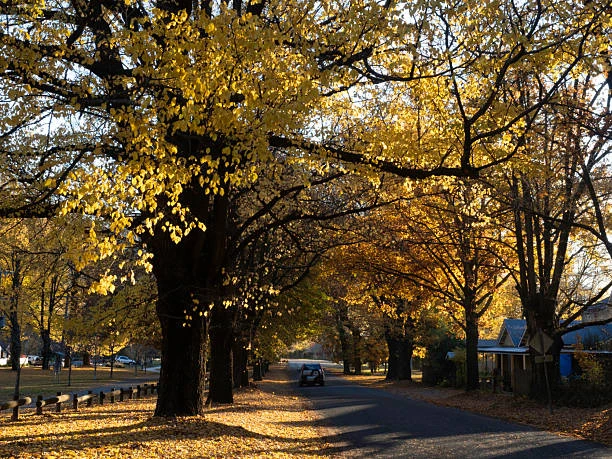

Golden Elm trees are celebrated for their striking foliage, elegant form, and resilience. With their golden-yellow leaves in autumn and graceful branching structure, these trees can transform any landscape into a visual masterpiece. However, like all trees, they require proper care and maintenance to thrive and reach their full potential. Whether you are a homeowner, landscaper, or municipal gardener, understanding your Golden Elm's needs is essential to its health, longevity, and beauty.
Choosing the Right Location
The first step to ensuring your Golden Elm's health is selecting the ideal planting location. These trees thrive in environments that provide:
- Full Sun Exposure: Golden Elms flourish in areas with at least 6–8 hours of sunlight per day. Adequate sunlight promotes vibrant foliage and healthy growth.
- Well-Drained Soil: While Golden Elms can tolerate a range of soils, they prefer loamy or sandy soil that drains well. Poor drainage can lead to root rot and other health issues.
- Space to Grow: Golden Elms are medium-to-large trees, with mature heights often reaching 15–25 meters and wide canopies. Ensure there’s sufficient space for the tree to spread without interfering with structures, power lines, or other plants.
Selecting the right location from the start reduces the need for corrective pruning and prevents stress-related issues later in the tree’s life.
Planting Your Golden Elm
Proper planting is critical for the long-term health of your Golden Elm. Follow these steps for successful planting:
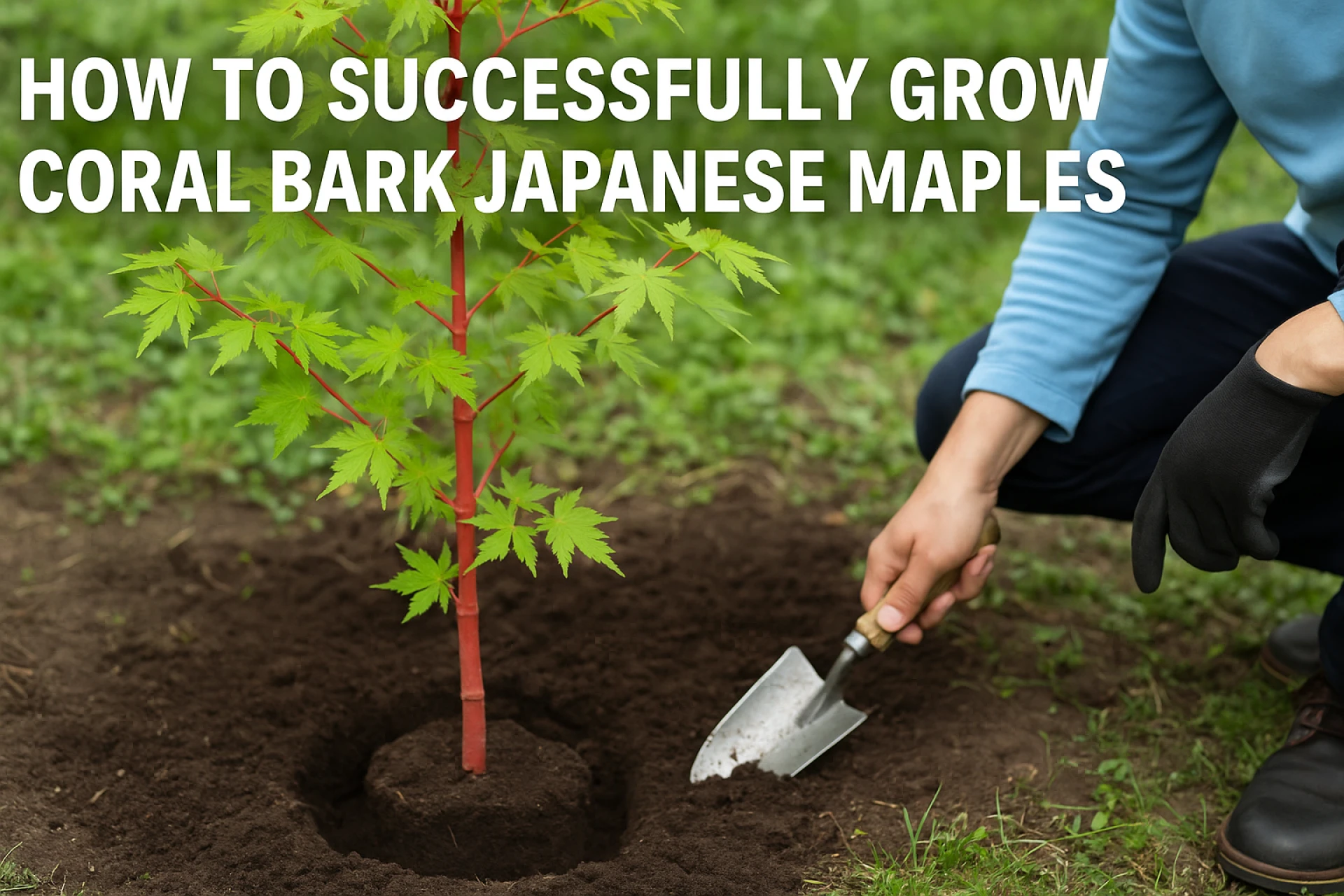
- Dig a Suitable Hole: The hole should be twice as wide as the root ball and slightly deeper than the root system. This allows roots to spread easily and anchor firmly.
- Prepare the Soil: Mix native soil with organic compost to provide nutrients and improve drainage. Avoid over-fertilizing at planting, as young roots are sensitive.
- Planting Depth: Place the tree so the root flare—the point where the trunk expands into the roots—is slightly above ground level. Planting too deep can suffocate roots.
- Backfill and Water: Fill the hole carefully, avoiding air pockets, and water thoroughly. Mulch around the base with 5–10 cm of organic mulch, keeping it away from the trunk to prevent rot.
Proper planting gives your Golden Elm the best chance of establishing quickly and growing vigorously.
Watering Requirements
Watering is essential, especially during the first few years after planting. Golden Elm trees prefer moderate watering and can tolerate short periods of drought once established, but consistent hydration ensures healthy foliage and strong roots.
Watering tips:
- Water deeply once or twice a week during dry periods.
- Reduce watering in winter when the tree is dormant.
- Avoid overwatering, as consistently soggy soil can lead to root disease.
- Use a soaker hose or drip irrigation to provide deep watering directly to the roots.
Monitoring soil moisture and adjusting watering according to seasonal conditions is key to avoiding both drought stress and waterlogged roots.
Fertilization and Soil Nutrition
Golden Elms benefit from balanced fertilization to promote vibrant foliage and healthy growth. Use a slow-release, nitrogen-rich fertilizer in early spring to support leaf development and overall tree vigor.
Tips for fertilizing:
- Conduct a soil test to determine nutrient deficiencies.
- Apply fertilizer around the drip line, not at the trunk.
- Avoid over-fertilizing, as excess nitrogen can cause weak growth prone to disease.
Regular fertilization, paired with mulching, maintains soil health and provides your tree with essential nutrients throughout the growing season.
Pruning and Shaping
Pruning is crucial to maintaining the structure, appearance, and safety of your Golden Elm. Proper pruning encourages airflow, reduces disease risk, and prevents weak branch formation.
Key pruning tips:
- Prune in late winter or early spring before new growth begins.
- Remove dead, damaged, or diseased branches promptly.
- Thin out crowded branches to allow sunlight and air to penetrate the canopy.
- Avoid excessive pruning, which can stress the tree and make it susceptible to pests.
Correct pruning ensures your Golden Elm develops a strong, aesthetically pleasing structure and minimizes the risk of limb failure.
Pest and Disease Management
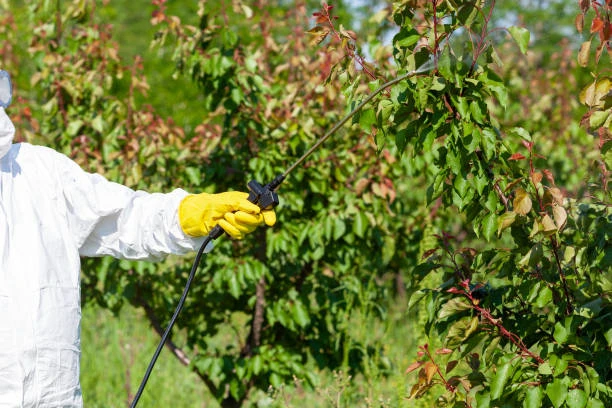
Golden Elms are generally hardy, but they can be affected by pests and diseases, which can compromise their health if not addressed promptly.
Common issues include:
- Elm Leaf Beetle: Causes defoliation and weakens the tree. Regular monitoring and treatment can control infestations.
- Aphids: Feed on sap, leading to distorted leaves and sticky honeydew. Natural predators like ladybugs or targeted insecticides can help.
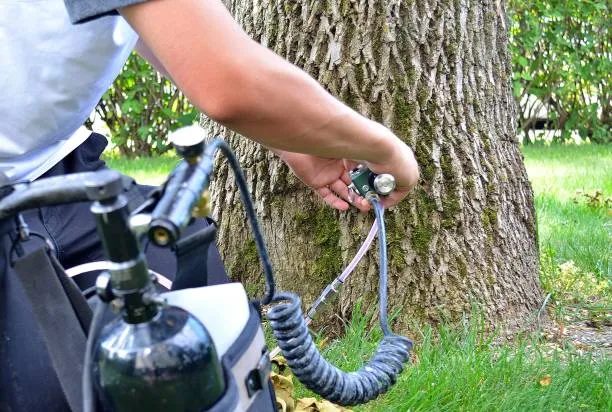
- Dutch Elm Disease: A serious fungal disease spread by bark beetles that can kill the tree. Early detection, proper sanitation, and fungicidal treatments are essential.
- Powdery Mildew: Appears as a white, powdery coating on leaves, affecting photosynthesis. Proper pruning and fungicide application can manage outbreaks.
Hiring an arboriculture specialist to inspect your Golden Elm regularly can prevent minor issues from becoming severe problems.
Seasonal Care Tips
Golden Elm trees have seasonal care needs that help them thrive year-round:
- Spring: Fertilize, inspect for pests, and prune dead branches.
- Summer: Ensure consistent watering, monitor for pests, and manage soil moisture.
- Autumn: Remove fallen leaves, inspect for disease, and prepare for winter dormancy.
- Winter: Protect young trees from frost and reduce watering to prevent root rot.
Seasonal attention ensures that your Golden Elm maintains strong growth, vibrant foliage, and resistance to environmental stressors.
Mulching and Ground Care
Mulching is an easy way to support your Golden Elm’s health. A layer of organic mulch around the base:
- Retains soil moisture
- Suppresses weeds
- Improves soil structure as it decomposes
- Protects roots from temperature extremes
Keep mulch 5–10 cm thick and at least 10–15 cm away from the trunk to prevent rot and pest infestation.
Monitoring Growth and Health
Regularly observing your Golden Elm for signs of stress or damage allows for early intervention. Check for:
- Wilting or discolored leaves
- Dead or broken branches
- Root exposure or soil erosion
- Pest activity or unusual growth patterns
Routine inspections, combined with proper care, ensure your Golden Elm remains a healthy, long-lived feature in your landscape.
When to Call an Arboriculture Specialist
Even with careful maintenance, some situations require professional expertise. Contact an arboriculture specialist if you notice:
- Rapid decline in tree health
- Structural instability or leaning branches
- Signs of disease like Dutch Elm Disease
- Large pruning or tree removal is required
A certified arborist can provide diagnostic insights, implement treatments, and manage risk safely. Their expertise ensures that your Golden Elm continues to flourish for decades.
Conclusion
Golden Elm trees are not only visually stunning but also resilient, long-lived additions to any landscape. With proper care, including planting in the right location, consistent watering, fertilization, pruning, pest control, and seasonal maintenance, your tree can thrive and provide beauty for generations.
By staying vigilant for signs of stress or disease and engaging arboriculture specialists when needed, you ensure your Golden Elm reaches its full potential. Investing in proper tree care today safeguards your landscape and enhances the long-term health and beauty of your property.
A well-maintained Golden Elm is a living legacy, offering shade, ecological benefits, and aesthetic charm for years to come.






















Sign in to leave a comment.