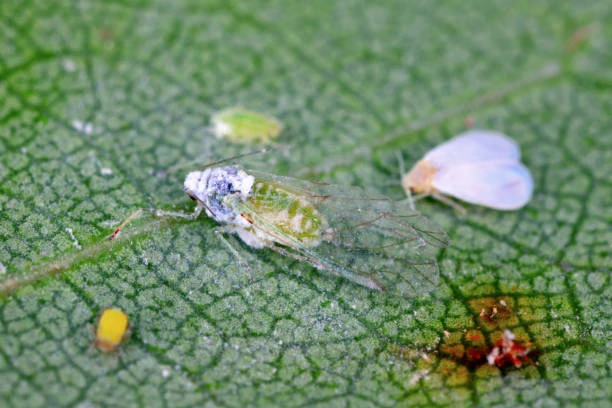

Ash whitefly (Siphoninus phillyreae) is a destructive sap-sucking insect that poses a serious threat to ash trees and a wide range of ornamental and fruit trees. Once considered a minor pest, ash whitefly has become an increasing concern in urban landscapes, orchards, and public green spaces due to its rapid reproduction, ability to spread unnoticed, and the significant stress it places on host trees. Effective monitoring is one of the most critical steps in managing ash whitefly infestations and preventing long-term damage.
Understanding Ash Whitefly and Its Impact
Ash whitefly is an invasive insect originally native to the Mediterranean region. It primarily attacks ash trees (Fraxinus species) but is also known to infest pomegranate, pear, apple, olive, and various ornamental plants. The pest feeds by piercing leaf tissue and extracting sap, which weakens the tree over time.
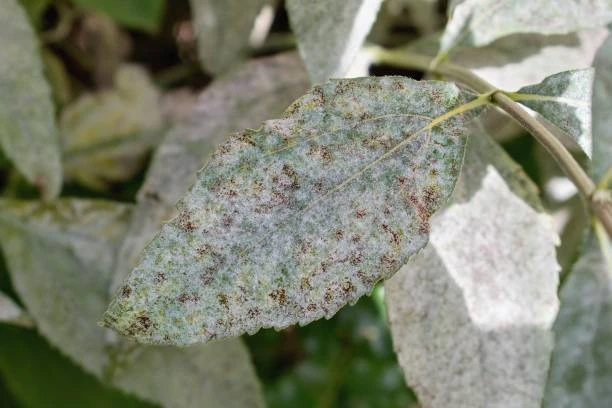
One of the most visible signs of ash whitefly infestation is the presence of thick honeydew deposits, a sticky substance excreted by the insects. This honeydew promotes the growth of sooty mould, a black fungal coating that reduces photosynthesis and detracts from the aesthetic value of trees. Heavy infestations can lead to:
- Premature leaf drop
- Reduced tree vigour
- Branch dieback
- Increased susceptibility to secondary pests and diseases
Without regular monitoring, infestations can escalate rapidly, making control more difficult and costly.
Why Monitoring Matters
Monitoring is the foundation of any successful integrated pest management (IPM) strategy. For ash whitefly, consistent observation allows arborists and property managers to detect populations early—before damage becomes severe.
Key reasons monitoring is essential include:
- Early Intervention
Ash whitefly populations can increase quickly, especially during warm seasons. Detecting early life stages such as eggs or nymphs enables timely treatment, often preventing the need for aggressive chemical intervention. - Reduced Tree Stress
Trees under prolonged whitefly pressure experience chronic stress, which compromises their natural defence mechanisms. Monitoring helps limit feeding damage and preserves long-term tree health. - Targeted Control Measures
Understanding the severity and distribution of an infestation allows for more precise treatment, reducing unnecessary pesticide use and protecting beneficial insects. - Cost-Effective Management
Preventative monitoring is far less expensive than treating advanced infestations or replacing severely damaged trees.
Recognising the Signs of Ash Whitefly
Effective monitoring begins with knowing what to look for. Arborists and property owners should regularly inspect susceptible trees, particularly during spring and summer.
Common signs include:
- White, waxy egg spirals on the undersides of leaves
- Flattened, oval nymphs that appear scale-like
- Sticky honeydew on leaves, branches, vehicles, or pavement below trees
- Black sooty mould developing on foliage
- Yellowing or wilting leaves despite adequate watering
Regular inspections of the leaf undersides are especially important, as ash whiteflies often remain unnoticed until populations are well established.
Monitoring as Part of Integrated Pest Management (IPM)
Integrated Pest Management relies on combining biological, cultural, and chemical methods to control pests sustainably. Monitoring plays a central role in IPM by guiding decisions and minimising environmental impact.
Through consistent monitoring, managers can:
- Determine whether whitefly populations exceed action thresholds
- Identify natural predators already controlling the pest
- Decide when treatment is truly necessary
- Evaluate the effectiveness of control measures over time
In many cases, natural enemies such as parasitic wasps can suppress ash whitefly populations if infestations are detected early and broad-spectrum insecticides are avoided.
Seasonal Monitoring and Life Cycle Awareness
Ash whitefly activity varies throughout the year, making seasonal monitoring especially important. The pest undergoes multiple generations annually, with populations peaking during warmer months.
Monitoring strategies should include:
- Spring: Check for overwintering nymphs and early egg laying
- Summer: Increase inspection frequency as reproduction accelerates
- Autumn: Assess population levels and residual honeydew damage
- Winter: Evaluate tree condition and plan management strategies for the next season
Understanding the life cycle helps time interventions more effectively and reduces unnecessary treatments.
Urban and Public Space Considerations
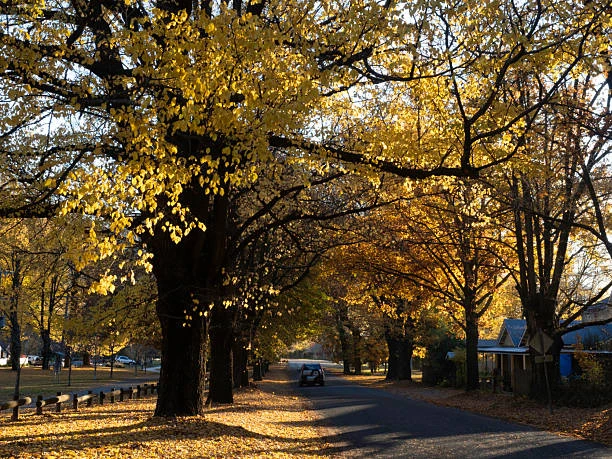
In urban environments, ash whitefly infestations can create problems beyond tree health. Honeydew accumulation can make footpaths slippery, damage parked vehicles, and attract ants and other insects. These issues often generate public complaints and increase maintenance demands for councils and property managers.
Regular monitoring in public spaces allows early action, reducing nuisance issues and maintaining the visual appeal of streetscapes, parks, and commercial areas. Proactive management also helps demonstrate responsible tree care and environmental stewardship.
The Role of Professional Arborists
While basic monitoring can be performed by property owners, professional arborists bring expertise that enhances detection and diagnosis. Arborists are trained to distinguish ash whitefly from similar pests and to assess overall tree health in context.
Professional monitoring services offer:
- Accurate pest identification
- Detailed infestation assessments
- Recommendations aligned with best-practice IPM principles
- Safe and compliant treatment options
Engaging professionals is particularly valuable for high-value trees, heritage landscapes, and large-scale infestations.
Long-Term Benefits of Consistent Monitoring
Monitoring for ash whitefly is not a one-time task but an ongoing process that supports long-term tree health. Over time, consistent monitoring leads to:
- Healthier, more resilient trees
- Reduced reliance on chemical controls
- Better protection of beneficial insects
- Improved planning and budgeting for tree care
- Lower risk of widespread infestations
By building monitoring into routine maintenance programs, land managers can respond to pest threats efficiently and sustainably.
Conclusion
Ash whitefly may be small, but its impact on trees and urban environments can be significant if left unchecked. Monitoring is the most effective first line of defence, enabling early detection, informed decision-making, and environmentally responsible pest management.
Whether managing a single ash tree or an entire urban canopy, regular monitoring protects tree health, reduces long-term costs, and supports sustainable arboricultural practices. In an era where tree resilience is more important than ever, proactive monitoring for ash whitefly is not optional—it’s essential.












Sign in to leave a comment.