
Powdery mildew is one of the most common fungal diseases affecting plants worldwide. From backyard gardens to large-scale agricultural operations, it can compromise plant health, reduce yields, and diminish aesthetic appeal. The good news is that early identification of powdery mildew can help gardeners take prompt action, preventing widespread infection and maintaining thriving plants.
What Is Powdery Mildew?
Powdery mildew is a fungal disease caused by various species of fungi in the order Erysiphales. Unlike many fungal pathogens that require moisture on leaf surfaces to thrive, powdery mildew often develops in dry conditions with high humidity. It is highly contagious and can spread rapidly between plants, making early detection essential.
This disease affects a wide variety of plants, including:
- Fruit trees (apples, grapes, peaches)
- Vegetables (cucumbers, zucchini, tomatoes)
- Ornamental plants (roses, hibiscus, and azaleas)
- Lawns and turfgrass
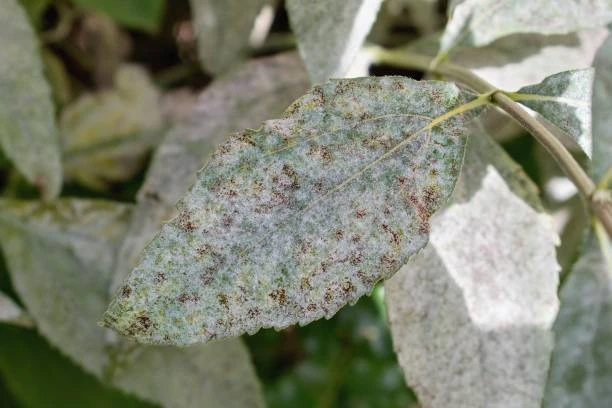
Powdery mildew typically appears as white or grey powdery spots on plant surfaces, but the early signs can be subtle and easily overlooked.
Why Early Identification Matters
Powdery mildew progresses quickly if left unchecked. Early identification is critical for several reasons:
- Preventing Spread: Once spores develop, they can be carried by wind, tools, or hands to healthy plants. Catching infections early reduces the risk of widespread damage.
- Reducing Damage: The fungus interferes with photosynthesis, weakening plants, stunting growth, and sometimes causing leaf drop. Early powdery mildew treatment preserves plant health and productivity.
- Minimising Chemical Use: Detecting powdery mildew early allows gardeners to manage the disease with targeted fungicides or cultural practices, reducing reliance on broad-spectrum treatments.
Key Symptoms of Powdery Mildew
Identifying powdery mildew early requires careful observation. Symptoms often begin subtly and progress over time. Here’s what to look for:
1. White or Grey Powder on Leaves
The most distinctive symptom is a powdery coating on leaf surfaces. Initially, this may appear as tiny specks or faint dusting. Over time, the powder can expand, covering larger areas of the leaf. Both the upper and lower surfaces may be affected, depending on the plant species.
2. Distorted or Stunted Growth
Infected plants may exhibit:
- Twisted, curled, or crumpled leaves
- Shortened stems and shoots
- Reduced leaf size
These deformities occur because the fungus interferes with nutrient uptake and photosynthesis, slowing growth.
3. Yellowing or Chlorosis
Before the powdery coating becomes prominent, some plants show pale yellow spots on leaves. These spots are often subtle but are an early warning sign of infection. If ignored, the white fungal growth soon becomes visible.
4. Premature Leaf Drop
Severe infections can cause leaves to drop prematurely, weakening the plant and reducing its ability to produce flowers or fruit. This is particularly problematic in fruit-bearing plants like grapes and apples, where foliage is critical for photosynthesis.
5. Affected Buds and Flowers
In some plants, powdery mildew attacks buds and young flowers, causing them to:
- Fail to open
- Appear distorted or discoloured
- Drop before maturing
Early detection in these areas can prevent crop loss and maintain ornamental appeal.
Environmental Conditions That Encourage Powdery Mildew
Understanding the conditions that favour powdery mildew helps gardeners anticipate outbreaks:
- High Humidity: Relative humidity of 40–70% creates ideal conditions for spore germination.
- Moderate Temperatures: The fungus thrives in temperatures between 20–27°C (68–80°F).
- Poor Air Circulation: Crowded plants with dense foliage trap moisture, creating a microclimate conducive to fungal growth.
- Shaded Areas: Limited sunlight slows leaf drying and encourages fungal development.
By monitoring these environmental factors, gardeners can identify plants at higher risk and inspect them regularly for early symptoms.
Tips for Early Detection
Early identification of powdery mildew requires diligence and observation. Here are some practical tips:
1. Inspect Leaves Regularly
Check the undersides of leaves, new growth, and buds, as these areas often show infection first. Early-stage powdery mildew can be mistaken for dust or soil particles, so inspect closely.
2. Monitor Growth Patterns
Look for twisted, curled, or stunted leaves, even if there is no visible powder yet. These subtle changes often precede visible fungal growth.
3. Use Magnification Tools
A hand lens or magnifying glass can help detect early fungal spores before they cover the leaf surface.
4. Track Seasonal Risk
Powdery mildew outbreaks are more common during spring and autumn when temperatures are moderate, and humidity is higher. Plan inspections and preventive measures accordingly.
5. Isolate Suspected Plants
If you notice early signs on a plant, isolate it from healthy plants to prevent the fungus from spreading until treatment is applied.
Preventive Measures
While early detection is critical, prevention is equally important. Strategies include:
- Spacing Plants Properly: Ensure adequate airflow between plants to reduce humidity around foliage.
- Pruning: Remove crowded branches and old leaves to improve ventilation.
- Resistant Varieties: Choose plant varieties known for powdery mildew resistance, especially for roses, cucumbers, and grapes.
- Watering Practices: Avoid overhead watering, which can increase humidity around leaves. Water at the base instead.
- Sanitation: Clean tools, pots, and work surfaces to reduce the risk of spore transmission.
Treatment Options After Early Detection
Once powdery mildew is detected, prompt action can control its spread:
- Fungicidal Sprays: Organic or chemical fungicides applied according to manufacturer instructions can halt fungal growth. Neem oil, potassium bicarbonate, and sulphur-based products are common organic options.
- Pruning Infected Areas: Remove severely affected leaves and branches to reduce the fungal load. Dispose of infected plant material away from the garden.
- Improve Air Circulation: Thin out dense foliage and consider relocating container plants to more open areas.
- Monitor and Reapply: Check plants regularly and repeat treatments as necessary, especially during humid conditions.
Conclusion
Powdery mildew is a common but manageable fungal disease. Early identification is key to protecting your plants, whether they are vegetables, fruit trees, or ornamental shrubs. By understanding the key symptoms—white powdery coatings, distorted growth, yellowing leaves, premature leaf drop, and affected buds—gardeners can act swiftly to prevent widespread infection.
Combining vigilant observation with preventive cultural practices, proper spacing, and targeted treatments ensures that your plants remain healthy and productive. In Australia’s gardens, where conditions can vary widely between regions, proactive care and early detection are the most effective tools against powdery mildew.
With knowledge, observation, and timely intervention, gardeners can enjoy lush, vibrant plants while keeping this pervasive fungal disease under control.































Sign in to leave a comment.