
Golden Ash trees (Fraxinus excelsior ‘Aurea’) are highly valued for their vibrant yellow foliage, elegant structure, and ability to thrive in many Australian landscapes. However, like all deciduous trees, they are vulnerable to pests, fungal diseases, nutrient imbalances, and environmental stressors. When your Golden Ash starts showing signs of trouble—such as yellowing leaves, dieback, premature leaf drop, or powdery mildew—selecting the right treatment becomes essential to restoring the tree’s health.
Two common paths exist for treatment: chemical options and organic solutions. Each approach comes with advantages, limitations, and ideal use cases. In this guide, we explore both treatment methods in depth so you can choose the best strategy for protecting and rejuvenating your Golden Ash tree.
Common Problems Affecting Golden Ash Trees
Before choosing a treatment, it’s important to understand the typical issues Golden Ash trees face:
1. Aphids and Sap-Sucking Insects
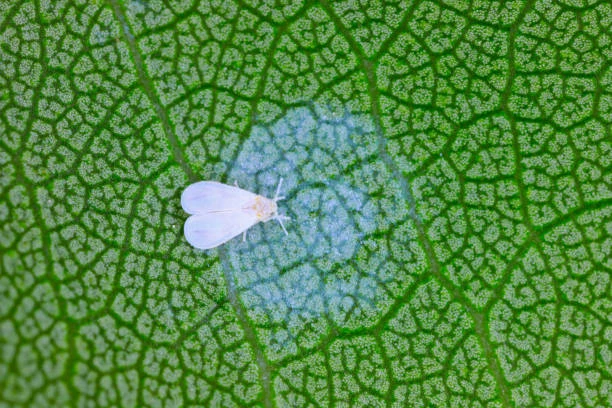
These pests feed on sap, leaving leaves curled, distorted, or sticky with honeydew. Severe infestations lead to leaf discoloration and fungal growth.
2. Elm Leaf Beetles (when nearby elm species are present)
While not the tree’s primary pest, nearby populations can spill over, stressing Golden Ash trees by chewing foliage.
3. Powdery Mildew
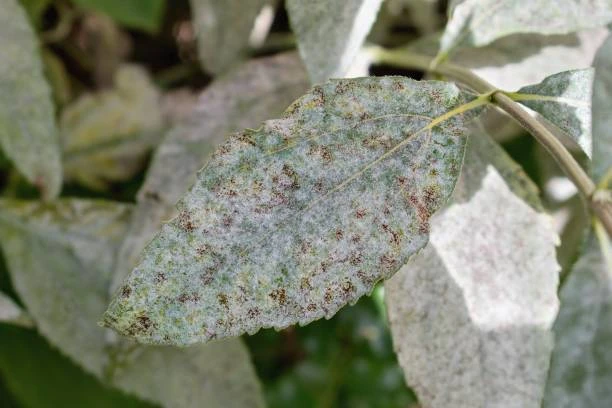
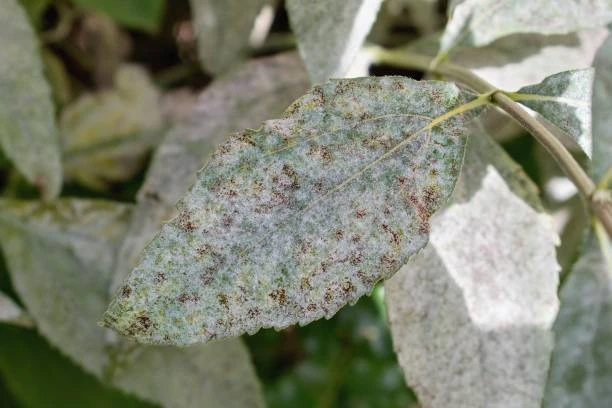
A common fungal disease causing white, powder-like patches on leaves. Moist, shaded areas encourage fungal spread.
4. Anthracnose
This fungal infection leads to brown or black lesions on leaves and stems, often appearing in spring.
5. Root Stress
Compacted soil, poor drainage, or drought can lead to yellowing leaves and dieback.
6. Nutrient Deficiency
Golden Ash trees respond poorly to imbalanced soil, showing symptoms like chlorosis (yellow leaves with green veins).
Given such a wide range of issues, treatment must be matched carefully to the problem. Both chemical and organic solutions have roles to play.
Chemical Treatments for Golden Ash Trees
Chemical golden ash tree treatments are widely used because they provide fast, targeted, and reliable results, especially during severe infestations or advanced disease stages. These treatments include systemic insecticides, fungicides, and soil drenches.
1. Systemic Insecticides for Sap-Sucking Pests
How They Work
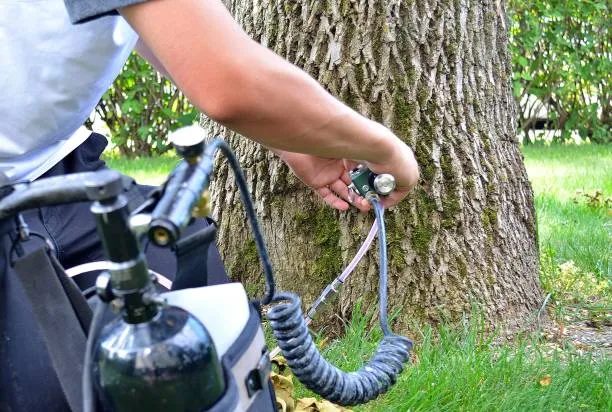
Systemic insecticides move through the tree's vascular system. When pests feed on the leaves or stems, they ingest the chemical and are eliminated.
Benefits
- Highly effective against aphids, psyllids, and other sap feeders
- Long-lasting (often 6–12 months)
- Works even when pests hide inside curled leaves
Common Active Ingredients
- Imidacloprid
- Thiamethoxam
- Dinotefuran
When to Use: For moderate to severe infestations where organic solutions aren’t strong enough.
2. Chemical Fungicides for Powdery Mildew & Anthracnose
How They Work
Chemical fungicides create a protective barrier on leaves or penetrate tissue to kill fungal pathogens.
Benefits
- Effective for advanced fungal infections
- Quick results
- Controls spores on new growth
Typical Fungicide Types
- Sulphur-based fungicides
- Triazoles (systemic)
- Copper-based fungicides (more preventive than curative)
When to Use: When powdery mildew or anthracnose becomes widespread or when weather conditions favour fungal spread.
3. Chemical Soil Treatments
Some Golden Ash trees suffer due to nutrient deficiencies or root-borne pathogens. Soil-applied treatments can help restore balance or suppress pathogens.
Types
- Phosphonate injections for root diseases
- Chelated iron or magnesium to treat chlorosis
- Systemic insecticide drenches for root-zone pests
When to Use: When soil conditions or root diseases are the primary stress factors.
Pros & Cons of Chemical Treatments
Pros
- Fast and powerful
- Effective for severe pest or disease outbreaks
- Long-lasting protection
- Reliable and predictable
Cons
- Can impact beneficial insects (especially if misused)
- May contribute to resistance with repeated use
- Requires proper timing and dosage
- Not always suitable in high-traffic or eco-sensitive areas
Chemical treatments are best used strategically, ideally as part of an Integrated Pest Management (IPM) approach.
Organic Treatments for Golden Ash Trees
Organic treatments focus on restoring natural balance, improving tree resilience, and reducing reliance on synthetic chemicals. They are ideal for long-term health, mild infestations, early-stage diseases, and environmentally conscious landscapes.
1. Horticultural Oils (Neem, White Oil)
How They Work
These oils smother soft-bodied insects like aphids and block fungal spores from germinating.
Benefits
- Natural and non-toxic to humans
- Breaks the pest life cycle
- Acts as both insecticide and fungicide
- Safe for beneficial insects when applied correctly
Best For: Mild aphid infestations, early powdery mildew, and routine maintenance.
2. Biological Control Solutions
Examples
- Beneficial insects (ladybugs, lacewings)
- Beneficial fungi and bacteria (e.g., Bacillus subtilis for mildew)
How They Help
These natural predators or microbes keep pest and fungal populations under control.
Best For: Sustainable landscapes and natural ecosystem support.
3. Organic Fungicides
Types
- Potassium bicarbonate
- Milk-based sprays
- Sulphur (organic-approved)
- Neem oil fungicidal formulations
Best For: Early-stage fungal infections such as powdery mildew.
4. Soil Health & Nutrient Programs
Healthy roots support strong foliage—and strong foliage resists pests and disease more effectively.
Organic Soil Care Includes
- Compost and organic mulches
- Seaweed extracts
- Humic and fulvic acids
- Biochar
- Worm castings
These amendments improve soil structure, water retention, and microbial diversity.
Best For: Preventing stress-induced issues like chlorosis and dieback.
Pros & Cons of Organic Treatments
Pros
- Safe for pets, humans, and beneficial insects
- Improve long-term soil and tree health
- Reduce environmental impact
- Lower risk of resistance building
Cons
- Often slower acting
- May require more frequent applications
- Less effective against severe infestations or advanced fungal disease
Organic treatments are ideal for prevention, maintenance, and mild to moderate problems.
Chemical vs. Organic: Choosing the Right Option for Your Golden Ash
The best treatment approach depends on the tree’s condition, the severity of the problem, and how quickly you need results.
Choose Chemical Treatments When:
- Infestations are severe and spreading fast
- Diseases are advanced
- The tree is in decline and needs immediate intervention
- You require long-lasting systemic protection
Choose Organic Treatments When:
- Issues are mild or just beginning
- You want a safe, eco-friendly approach
- The goal is long-term soil and plant health
- You are maintaining established trees in good condition
In many cases, the most effective strategy is a combined or hybrid approach—using chemicals for immediate control and organic methods for ongoing maintenance.
Conclusion: The Best Treatment Is a Balanced Strategy
Golden Ash trees are beautiful, resilient, and long-lived when cared for correctly. Whether you choose chemical treatments, organic solutions, or a combination of both, the key is accurate diagnosis and timely action.
- Chemical treatments offer quick, powerful relief for severe issues.
- Organic treatments provide long-term, sustainable health support.
- Together, they create a balanced method to protect your Golden Ash from pests, diseases, and environmental stress.
By choosing the right approach for your tree’s condition, you can ensure your Golden Ash thrives for decades—adding shade, beauty, and value to your landscape.


























Sign in to leave a comment.