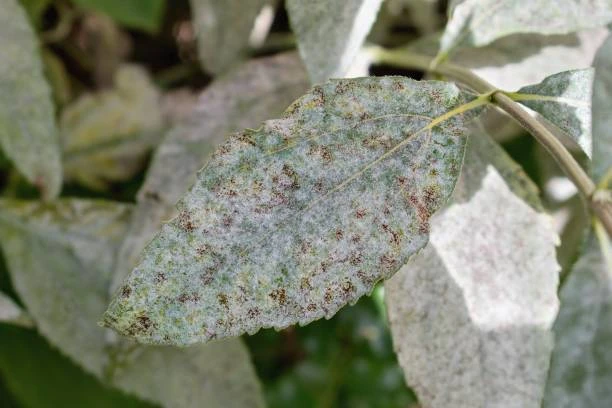

Roses are beloved for their vibrant colours, elegant form, and unmistakable fragrance. However, few plant diseases frustrate gardeners as much as powdery mildew—a widespread fungal issue that affects roses across Australia and around the world. Characterised by its powder-like white coating on leaves, stems, and buds, powdery mildew can weaken rose bushes, distort new growth, and dramatically reduce flowering. The good news is that with the right care and treatment plan, you can restore your roses to full health and protect them from future outbreaks.
What Is Powdery Mildew and Why Does It Affect Roses?
Powdery mildew is caused by a group of fungi that thrive in warm, dry conditions combined with high humidity around the plant canopy. Roses are especially vulnerable because of their lush, dense foliage and frequent new growth.
The fungus spreads through airborne spores that settle on the leaves and stems. Once established, it draws nutrients from the plant tissues, leading to stress and weakened growth. While powdery mildew rarely kills rose bushes, it can significantly diminish their vigour and flowering potential, making early intervention essential.
How to Identify Powdery Mildew on Roses
Early identification is one of the most powerful tools in controlling powdery mildew. Look for:
- White or grey powder-like spots on upper or lower leaf surfaces
- Curling, twisting, or distorted new growth
- Red or purplish patches on stems
- Reduced bud development and misshapen blooms
- Leaves that eventually yellow, dry out, or drop prematurely
Powdery mildew usually appears on new, tender growth first before spreading across the plant. Regular inspection during spring and autumn—the peak infection periods—can help you catch it before it becomes severe.
Proven Methods to Control Powdery Mildew on Roses
Successfully managing powdery mildew on roses requires a combination of targeted treatment and good gardening practices. The methods below have been tested by gardeners, horticulturists, and plant health specialists and are proven to deliver strong results.
1. Prune to Improve Airflow
Powdery mildew thrives where there is poor air circulation. Dense rose bushes trap moisture, creating ideal conditions for fungal spores to germinate.
What to do:
- Remove any overcrowded interior branches.
- Cut back crossing branches that restrict airflow.
- Clean up any infected leaves or stems during pruning.
- Ensure you dispose of diseased plant material—never compost it.
A well-shaped shrub with open airflow significantly reduces the likelihood of reinfection.
2. Water Correctly—Avoid Wet Foliage
Although powdery mildew thrives in dry leaf surfaces, inconsistent watering and overhead irrigation can create ideal microclimates that encourage fungal growth.
Best practices:
- Water at the base of the plant using drip irrigation or a soaker hose.
- Water early in the morning so foliage dries quickly if it gets wet.
- Keep soil consistently moist but not waterlogged.
Proper watering reduces plant stress, making roses more resistant to disease.
3. Use Organic Remedies for Mild Infections
Organic treatments are a great option for home gardeners who prefer chemical-free solutions.
These methods work best when powdery mildew is caught early.
Neem Oil
A natural fungicide that disrupts fungal growth while also controlling pests like Oak aphids and mites.
Potassium Bicarbonate Spray
Highly effective for powdery mildew, this compound kills fungal spores on contact.
Milk Spray (Homemade Method)
A solution of one part milk to ten parts waters can help suppress powdery mildew due to its antimicrobial properties.
Baking Soda Solution
A mild option that alters leaf surface pH, making it harder for mildew to survive.
While organic solutions can be effective, they often require consistent weekly applications for best results.
4. Apply Fungicides for Moderate to Severe Cases
For widespread infections, commercial fungicides offer the most reliable solution. Look for products containing:
- Sulphur
- Copper
- Myclobutanil
- Tebuconazole
These fungicides work by either killing the fungus directly or preventing spores from germinating.
Important tips:
- Always follow label instructions carefully.
- Rotate fungicide types to prevent resistance.
- Cover both the upper and lower leaf surfaces for full protection.
Fungicides are most effective when applied early in the infection cycle or preventatively during high-risk periods.
5. Remove Severely Infected Leaves
If powdery mildew is limited to a few leaves or stems, selective removal can halt its spread.
How to do it safely:
- Snip infected leaves using clean, sanitised pruning shears.
- Disinfect tools between cuts using methylated spirits.
- Dispose of infected plant material immediately.
This simple step can stop the disease from overtaking the entire plant.
6. Maintain Proper Feeding and Soil Health
A healthy plant is far more resilient to disease. Roses require balanced feeding, especially during the growth season.
Use:
- A rose-specific fertiliser
- Slow-release organic compost
- Soil conditioners to improve microbial activity
Avoid over-fertilisation, especially high-nitrogen formulas, as these encourage soft, leafy growth that powdery mildew targets first.
7. Choose Resistant Rose Varieties
Not all rose cultivars are equally susceptible to powdery mildew. When planting new roses or replacing old bushes, look for varieties labelled:
- Disease-resistant
- Powdery mildew tolerant
Many modern cultivars have been selectively bred for strong resistance while maintaining outstanding bloom quality.
How to Prevent Powdery Mildew from Returning
Once you’ve brought the infection under control, prevention becomes the next priority.
Here are the most reliable prevention strategies:
- Space plants adequately to reduce humidity between bushes.
- Keep foliage dry by avoiding overhead watering.
- Apply preventive fungicide sprays at the start of spring.
- Prune regularly, especially before the growing season.
- Avoid overcrowding by removing nearby weeds and excess vegetation.
- Monitor weekly for early signs, particularly during warm, dry periods.
Powdery mildew is persistent, but consistent care can keep it under control year-round.
When to Call a Professional
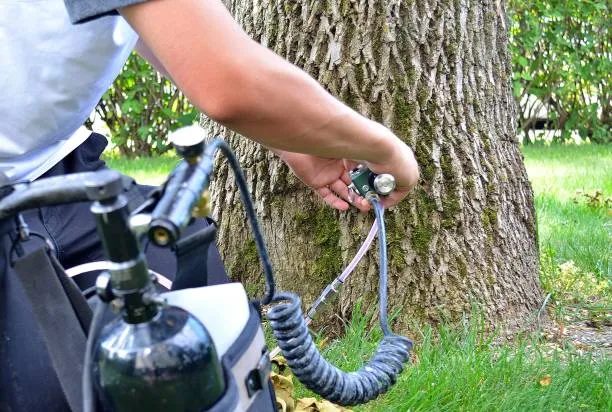
If you’ve tried multiple treatments and the mildew keeps returning, or if you’re dealing with a large rose garden, professional arborists and plant health specialists can help. They use advanced fungicide sprays, targeted treatments, and long-term prevention strategies that deliver faster results than DIY methods.
Signs you may need expert help:
- The infection spreads rapidly each season
- Multiple rose bushes are affected
- Organic or home treatments haven’t worked
- You want long-term disease protection
Professional services can restore plant health, strengthen resilience, and ensure your roses flourish.
Final Thoughts
Powdery mildew may be a common issue for roses, but it doesn’t have to take over your garden. With the right combination of pruning, watering, organic solutions, and targeted fungicides, you can effectively control the fungus and restore healthy, vibrant blooms.
By staying consistent with prevention and choosing disease-resistant rose varieties, you’ll not only treat existing powdery mildew but also protect your roses for seasons to come.






























Sign in to leave a comment.