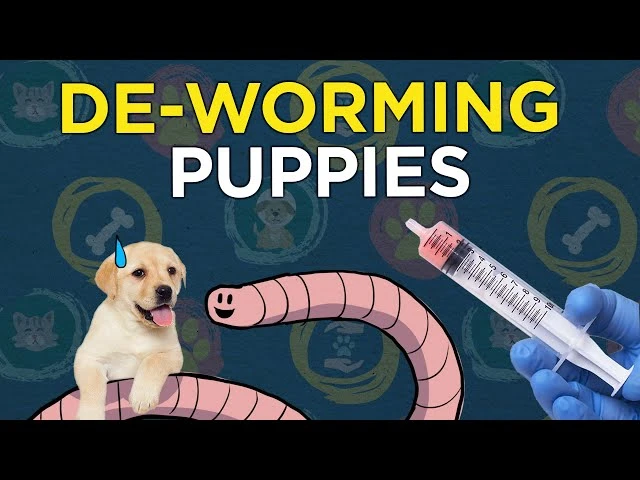

Suppose you are having a good time in the field, playing with your little pet, and all of a sudden, you see that there is something strange in the dog’s feces. So you may ask, “Could it be worms?” More specifically, puppies also require deworming treatments. Also, is a crucial aspect that is rarely considered. Parasitic infections, particularly endoparasites such as intestinal worms, are frequent and can lead to major health complications in valued dogs. These parasites pose serious health threats to pets if not well addressed.
In this blog, we'll discuss the need for pet deworming, the types of worms that can harm pets, and other things many pet owners don’t know.
Why is Deworming Essential?
Health Risks Posed by Intestinal Worms
Intestinal worms are hosts to a range of ailments in pets that can be as minor as discomfort and as severe as life-threatening conditions. Such parasitic worms result in symptoms, including diarrhea, vomiting, and weight loss. In some critical cases, they can lead to anemia and malnutrition. Smaller animals like puppies and kittens are also susceptible to the worms since their immunity is not fully developed. Therefore, deworming puppies is essential for their growth and development.
How Worms Affect Pets' Overall Health and Behavior?
In terms of health and behavior, worms are known to pose a huge threat to the well-being of any given pet. However, the common signs that suggest that a pet is infected include sluggish movement, a dull-looking coat, and a pot-bellied appearance. They could also present symptoms of abdominal pain, vomiting, and changes in their bowel movement. They rely on the nutrients in the pet. The pet, in turn, is deprived of various vitamins and necessary minerals for a healthy life.
Zoonotic Potential: Risks to Humans
Every pet owner must deworm their pets periodically because some of these worms are zoonotic in nature. Pets act as sources of zoonotic parasites that threaten the health of people, particularly kids, the elderly, and people with weak immunity. Tapeworms and hookworms can be health hazards to pets. Tapeworms may cause organ damage, while hookworms can lead to blindness. These reasons underscore the importance of regularly deworming our pets.
Types of Worms Commonly Found in Pets
Roundworms
One of the most frequently identified intestinal helminths, which are parasitic in animals, are roundworms. It has pasta-like structures that may reach up to several inches in length. Roundworms can be picked up through the consumption of eggs present in soil or feces, or even through the mother’s milk in the case of young animals.
Hookworms
Roundworms are larger than hookworms but no less threatening to the lives of people. They attach themselves to the side of the intestines and feed on the blood of the pet, causing severe anemia, especially in young animals. Hookworm infections in pets occur when hooks penetrate the lining of the stomach and intestines or when the pets walk over contaminated ground.
Tapeworms
A worm in a pet is a segmented worm and can usually be detected through feces or inflammation around its hind end. They are commonly passed on when pets consume fleas that are infested with tapeworm larvae. These worms affect the digestive system. They cause pets to lose weight, impacting their general health.
Whipworms
Whipworms are found in the ceca of the large intestine and can cause such symptoms as diarrhea, unthriftiness, and chronic depletion. Whipworms are commonly gotten by pets by ingestive contamination of the eggs that are most often found in the environment.
Heartworms
Dogs are the most affected by heartworms, which are known to be a significant concern. Heartworms are flora parasites that affect the heart and lungs by being passed through mosquito bites on dogs and then into the bloodstream. Hence, regular deworming for pets is required to protect them from heartworms.
Recognizing Worm Infestations
Symptoms to Look Out for in Dogs and Cats
Therefore, it is very important to identify the symptoms of worms so that they will not cause severe problems. Common symptoms include:
Diarrhea and vomitingReduced weight even if the appetite seems normal and even increased.Worms that can be seen in stools or crawling around the anal area.Abdominal bloatingCoughing (particularly with heartworms)Diagnosing Worm Infestations: Veterinary Procedures and Tests
If you think that your pet has worms, then it is time to go to a veterinarian. It is possible for the veterinarian to diagnose worm infestations through some tests, which include fecal examinations and blood tests (for heartworms). These tests enable the determination of the specific worm type. And they'll tell you which treatment is suitable for the infected animal.
Deworming Schedule
Recommended Deworming Schedule for Dogs
Deworming puppies should be done two weeks after their birth and then again every two weeks until they reach their third month. They should then be dewormed every month until they reach six months of age. Adult dogs should be dewormed for at least four months of the year.
Recommended Deworming Schedule for Cats
Initially, they should be dewormed at three weeks of age, then at a two-week interval until the 9th week of their age. Following that, they are advised to undergo treatments on a monthly basis until they get up to six months of treatment. Even adult cats require deworming, and this should be done at least four times a year.
Types of Deworming Medications
Over-the-Counter vs. Prescription Medications
These worms can be treated through the purchase of common medications that are available over the counter or by prescription from a professional. However, some antigests can be purchased from supermarkets. They are not as effective as the prescribed medicines that mainly target specific sorts of worms. It is advised that the pet owner consult the vet when deciding on which deworming product to use.
Natural Deworming Alternatives
However, there are many pet owners who seek natural methods of deworming for pets, such as using herbs or diatomaceous earth. However, they can be quite useful sometimes. So, it is advisable to discuss them with the veterinarian to determine the appropriateness of their use in the given species and situation.
How to Administer Deworming Medications
Tips for Giving Pills to Your Pets
Using pills to treat pets may not be easy. If you want to give a pet a pill in a small quantity, it should be given with some food or a sweet. However, you can manage this by using a pill dispenser or seeking advice from your vet on other ways of doing it.
Using Liquid Dewormers
Liquid dewormers can be added to food, specially formulated for pets, or forced into your pet’s mouth with the help of a syringe. Make sure you strictly adhere to the dosages prescribed and never overdose or underdose.
Applying Topical Treatments
Topical dewormers are applied to the skin in areas that are difficult for pets to reach. Wash your pet's skin and ensure that the area of skin where you want to apply the serum is dry. Your pet should not be able to lick the serum.
Aftercare and Monitoring
What to Expect Post-Deworming?
When deworming puppies by the vet, dead worms will be expelled through feces. An owner should be aware that some pets may experience side effects. These side effects could include diarrhea and vomiting. Fortunately, they usually pass within a short time. Make sure to pay attention to your pet and make sure that they are well-situated and relaxed.
Signs of Successful Deworming
It is as simple as worm eggs being absent in the stool on examination. This is indicative of improved health and behavioral status in the pet. Lastly, they should be more active, eat better, and have healthy skin.
When to Contact a Vet
In the event of its severe side effects, let the veterinary doctor know if the pet starts vomiting continuously, has diarrhea, or looks uncomfortable. Additionally, if the worms are still felt to be present in the dog or cat, then another appointment would need to be made.
Preventing Worm Infestations
Keeping Your Pet’s Environment Clean
There are several factors and measures that contribute to the development of such diseases; one of them is cleanliness. Vacuum your pet’s bedding, toys, feeding bowls, and the overall area used by your pet on a daily basis. Discharge feces as rapidly as possible to prevent fouling the area or environment.
The Importance of Flea Control
They are intermediate hosts of tapeworms. Therefore, it's important to incorporate methods to eradicate them. Fleas are a common problem, so consult with your vet about prophylactic treatments and frequently examine your pet for flea signs.
Regular Vet Check-Ups
It is essential for deworming for pets. It will ensure that the pet is worm-free and in good overall health for their check-ups. Your vet can give you your pet’s basic health check-up and determine a specific deworming schedule that fits him or her.
Keep Your Pet Healthy: The Final Word on Deworming
Deworming is one of the easiest tasks, which should not be overlooked when it comes to taking care of our pets. Deworming puppies should be frequently done to safeguard the animals from severe health diseases and to immensely secure your home from zoonotic diseases.
At Atlas Pet Hospital, we value the care of your pets as an animal hospital for all of your pets’ needs. If you are seeking the right deworming schedule for your pet or any other services related to your pet’s general health, you must ask our professional vets.
Do not delay any longer; visit our clinic and book your deworming puppy's session today to improve its health.



























Sign in to leave a comment.