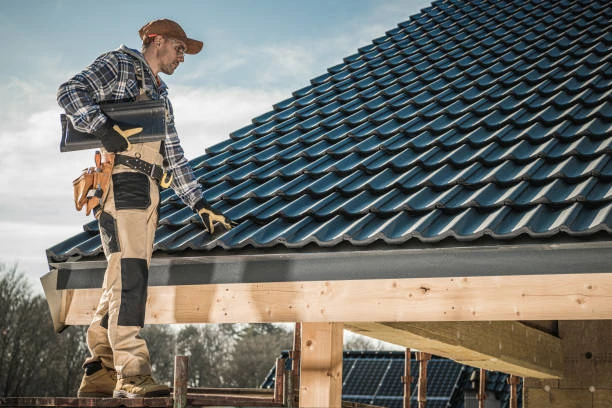

When it comes to your home's roof, issues like leaks, damaged shingles, or general wear and tear are inevitable over time. When these problems arise, finding the best roofing repair services in your local area becomes crucial. Whether you're dealing with a minor roof repair or require more extensive fixes, this guide will help you understand the steps to take, questions to ask, and qualities to look for in roofing repair contractors. From recognizing common roofing problems to navigating the complexities of repair costs and warranties, you'll find everything you need to make an informed decision for your home.
Emergency Roofing Repairs
Facing sudden roof damage or leaks can be a stressful situation for any homeowner. Knowing how to handle emergency roofing repairs can help you mitigate further damage and safeguard your home until professional assistance arrives. Here are some crucial steps to take in case of a roofing emergency:
Safety First: Prioritize safety above all else. If you notice a leak or significant damage, avoid going onto the roof or attempting repairs in dangerous conditions, especially during a storm.
Contain the Damage: If there's an active leak, place containers or buckets under the leak to catch dripping water. This helps prevent further interior damage.
Clear the Area: Safely remove valuable or sensitive items from the affected area to prevent them from getting damaged by water.
Temporary Covering: If it's safe to do so, you can attempt a temporary covering to stop water intrusion. Use tarps or plastic sheets secured with weighted objects to cover the damaged area. Be cautious, especially on steep roofs.
Turn Off Electricity: If water is entering your home, turn off electricity to affected areas to reduce the risk of electrical hazards.
Contact a Professional: Immediately reach out to a local roofing contractor experienced in emergency repairs. Explain the situation and request their immediate assistance.
Document the Damage: Take photos or videos of the damage for insurance purposes. Document the extent of the damage and any measures taken to mitigate it.
Insurance Claim: Contact your homeowner's insurance provider to report the damage and initiate the claims process. Provide them with all relevant information and documentation.
Stay Informed: Keep an eye on weather forecasts and updates. If further storms are expected, be prepared for additional damage and take necessary precautions.
Preventative Measures: After the emergency is resolved, schedule a thorough roof inspection to identify the underlying cause of the damage and prevent future issues.
Remember that safety should be your top priority during emergency roofing situations. While temporary measures can help contain damage, professional roofers are best equipped to assess and repair the damage effectively. Act swiftly to minimize the impact of the emergency, protect your property, and ensure the safety of your family.
Maintaining Your Roof After Repairs
After investing in roofing repairs, it's crucial to maintain your roof to ensure its longevity and continued protection for your home. Here are some essential post-repair maintenance steps to keep in mind:
Regular Inspections: Schedule periodic roof inspections, preferably twice a year, to identify any new issues promptly. These inspections can help catch potential problems early, preventing them from becoming major and costly repairs.
Clean Your Gutters: Keep your gutters clean and free of debris, as clogged gutters can lead to water backup and roof damage. Regularly remove leaves, twigs, and other debris to ensure proper drainage.
Trim Overhanging Branches: If you have trees near your home, trim overhanging branches to prevent them from damaging your roof during storms or high winds. Falling branches can cause significant damage to roofing materials.
Check for Moss and Algae: In humid climates like Mesa, moss and algae can grow on your roof. If you notice any growth, take steps to remove it to prevent moisture retention and potential deterioration of roofing materials.
Inspect Flashing and Seals: Pay attention to the condition of flashing around roof penetrations like chimneys and vents. Ensure that seals are intact and not deteriorating. Address any issues promptly to prevent leaks.
Remove Debris and Leaves: Keep your roof clean by removing leaves, branches, and debris. Accumulated debris can trap moisture and accelerate roof decay.
Prevent Ice Dams: In colder months, take steps to prevent ice dams, which can lead to water infiltration and damage. Proper insulation and ventilation in your attic can help mitigate this issue.
Address Repairs Promptly: If you notice any damage or issues during your regular inspections, don't delay in addressing them. Prompt repairs can prevent further damage and costly repairs down the road.
Consider Professional Maintenance: Hiring a professional roofing contractor for regular maintenance can be a wise investment. They have the expertise to identify and address issues effectively, extending the life of your roof.
Document Roof History: Keep records of all repairs, maintenance, and inspections. This documentation can be valuable for warranty claims and future reference.
Maintaining your roof after repairs is essential for its longevity and continued protection of your home. By following these maintenance steps and staying vigilant, you can ensure that your investment in roofing repairs provides lasting benefits and peace of mind for years to come.
Conclusion
A well-maintained roof is essential for the protection and longevity of your home. By following the steps and advice presented in this guide, you'll be well-equipped to identify roofing issues, find the best roofing repair near me, and ensure that your roof continues to safeguard your home effectively. From minor repairs to more extensive fixes, your search for reliable roofing repair is now simplified, allowing you to make informed decisions for your home's well-being.


























Sign in to leave a comment.