

Chronic hip pain is more than just a physical ailment; it is a barrier to a fulfilling life. When traditional treatments like medications and physiotherapy no longer provide relief, many patients look towards hip replacement surgery in Lucknow as a definitive solution. This guide provides an unbiased, in-depth look at the procedure, what to expect, and how to find the right care without compromising on quality.
1. Understanding the Need for Hip Arthroplasty
The hip is a ball-and-socket joint designed for fluid movement and weight-bearing. However, when the protective cartilage wears away, bones grate against each other. This leads to inflammation, severe pain, and eventually, the loss of mobility.
Common conditions that lead to surgery include:
- Osteoarthritis: The most common "wear and tear" arthritis that destroys the joint's cushioning.
- Avascular Necrosis (AVN): A condition where blood supply to the ball of the hip joint is cut off, causing the bone to collapse. This is increasingly common in younger patients.
- Rheumatoid Arthritis: An autoimmune disease that causes chronic inflammation of the joint lining.
- Post-Traumatic Arthritis: Damage resulting from a serious hip injury or fracture that didn't heal correctly.
If you find yourself avoiding daily activities due to stiffness, it is time to consult the best orthopedic doctor in Lucknow to evaluate your joint health.
Technological Advancements in Lucknow’s Healthcare
Lucknow has rapidly transformed into a medical hub, offering facilities at par with Delhi or Mumbai. Local hospitals now utilize Minimally Invasive Surgery (MIS). Unlike traditional open surgery, MIS uses smaller incisions, which means:
- Less Muscle Trauma: The surgeon works between the muscles rather than cutting through them.
- Significant Reduction in Blood Loss: Reducing the need for blood transfusions.
- Faster Discharge: Most patients are able to go home within 3 to 4 days.
When searching for a hip replacement surgeon in Lucknow, it is essential to look for those who specialize in these advanced techniques, as they directly correlate with a smoother and faster recovery.
The Procedure: What Happens During the Surgery?
Modern surgical protocols have made the process extremely streamlined. Here is a step-by-step look:
- Pre-Operative Assessment: Detailed X-rays and MRI scans are used to map out the anatomy of your hip joint.
- Anesthesia: Usually, spinal anesthesia is used, meaning you are awake but feel absolutely nothing from the waist down.
- Implantation: The surgeon removes the damaged femoral head (the "ball") and replaces it with a metal or ceramic ball. The damaged socket is lined with a durable metal shell and a high-grade plastic or ceramic spacer.
- Stability Check: The surgeon moves the joint through its full range of motion to ensure perfect alignment before closing the incision.
Cost Analysis: Hip Replacement in Lucknow
One of the primary reasons patients from across Uttar Pradesh choose Lucknow is the cost-to-quality ratio. The expenses are generally divided into three categories:
- The Implant: Ceramic-on-Polyethylene or Ceramic-on-Ceramic are popular choices for younger, active patients due to their durability.
- Hospital Stay: This includes nursing care, OT charges, and diagnostic tests.
- Rehabilitation: Post-surgery physiotherapy is non-negotiable for a successful outcome.
On average, the cost of hip replacement in Lucknow typically falls between ₹2,00,000 and ₹5,00,000. Most insurance providers and TPAs now cover these procedures, especially if the surgery is deemed medically necessary for mobility.
The Road to Recovery and Rehabilitation
Recovery is a marathon, not a sprint. The success of hip replacement surgery in Lucknow depends heavily on what happens after the operation.
- Phase 1 (The First Week): Focus is on wound healing and basic mobility. Most patients start walking with a walker within 24 hours.
- Phase 2 (Weeks 2-6): Transitioning to a cane and beginning specialized exercises to strengthen the gluteal and thigh muscles.
- Phase 3 (3 Months+): Returning to near-normal activity levels. Most people can resume driving, light sports (like swimming or golf), and long walks.
Long-Term Outcomes: What to Expect?
Modern hip implants are designed to last 20 to 25 years. Patients report a dramatic decrease in pain and a return to activities they had given up on years ago. However, to ensure the longevity of the joint, one must:
- Maintain a healthy weight to reduce stress on the prosthetic.
- Avoid high-impact sports like running or jumping.
- Schedule annual follow-ups with your orthopedic specialist.
Conclusion
Living in chronic pain is a choice you no longer have to make. With the availability of world-class technology and highly experienced hip replacement surgeons in Lucknow, the path to a pain-free life is clearer than ever. By prioritizing early diagnosis and choosing a facility that uses the latest prosthetic technology, you can ensure that your new joint serves you well for decades to come.
Frequently Asked Questions (FAQs)
1. Who is the best orthopedic doctor in Lucknow for joint replacement? Lucknow has several high-volume centers, particularly in areas like Gomti Nagar and Chowk. Look for surgeons operating at NABH-accredited hospitals with dedicated orthopedic wings.
2. How long does the actual surgery take? A standard hip replacement in Lucknow usually takes between 60 to 90 minutes, depending on the complexity of the case.
3. Can I climb stairs after hip replacement surgery? Yes, most patients are taught how to navigate stairs safely by their physiotherapist before being discharged from the hospital.
4. What are the risks of ignoring hip pain? Delaying surgery can lead to permanent joint deformity, muscle atrophy (weakening), and secondary back pain due to an altered walking style.
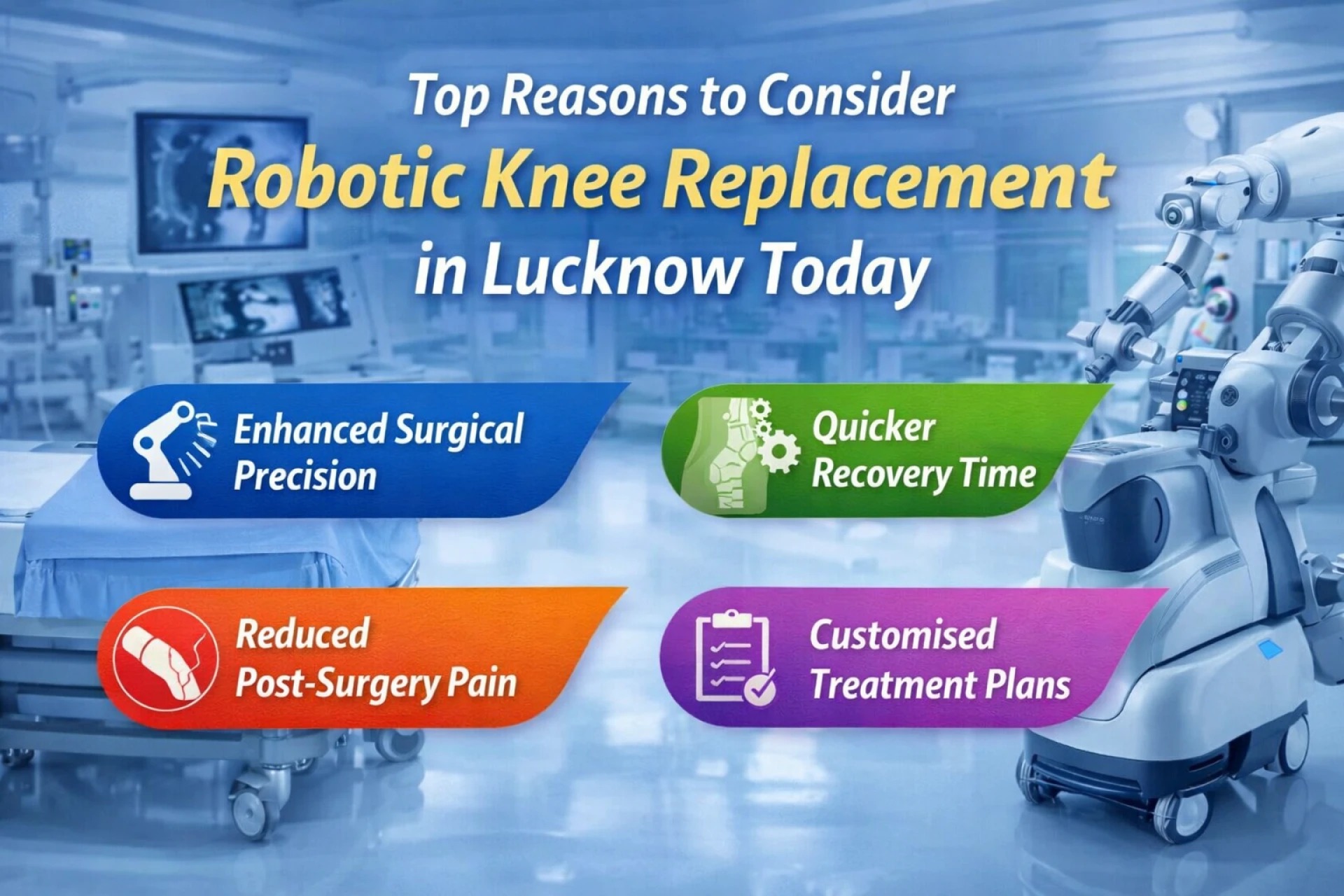
5. Are there robotic options for hip replacement surgery in Lucknow? Yes, several advanced hospitals in Lucknow now offer robotic-arm assisted surgery, which provides even greater precision in implant placement.




























Sign in to leave a comment.