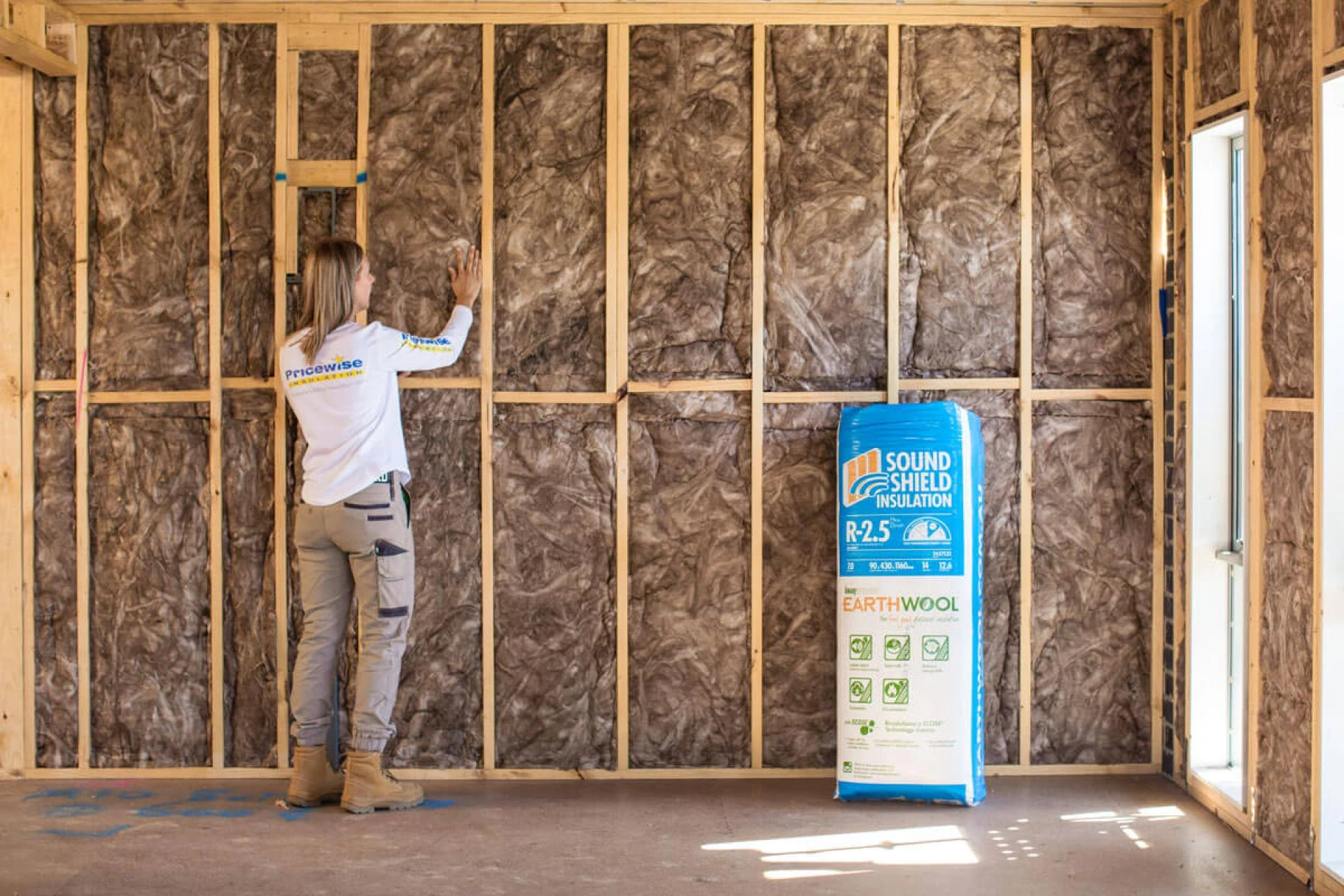

Wall insulation directly influences indoor air quality by establishing a physical boundary that controls the movement of air, moisture, and pollutants between the outdoors and the living space. While most homeowners view insulation solely as a tool for temperature regulation, its role in filtration and containment is equally significant. A properly insulated and sealed wall system prevents the infiltration of allergens, dust, and exhaust fumes while inhibiting the moisture accumulation that leads to dangerous mold growth.
The quality of the air inside a home often depends on the integrity of the building envelope. When walls allow uncontrolled air leakage, the interior environment becomes a mixing bowl for whatever exists outside, from high humidity to roadway emissions. Securing this perimeter with effective insulation materials allows mechanical ventilation systems to filter the air efficiently, rather than battling a constant influx of contaminants through cracks and crevices.
The Mechanics of Air Infiltration
Air pressure drives the movement of particles into a home. Wind blowing against the exterior creates positive pressure that forces air through siding, sheathing, and insulation gaps. Conversely, exhaust fans and heating systems create negative pressure that sucks air in through electrical outlets and baseboards.
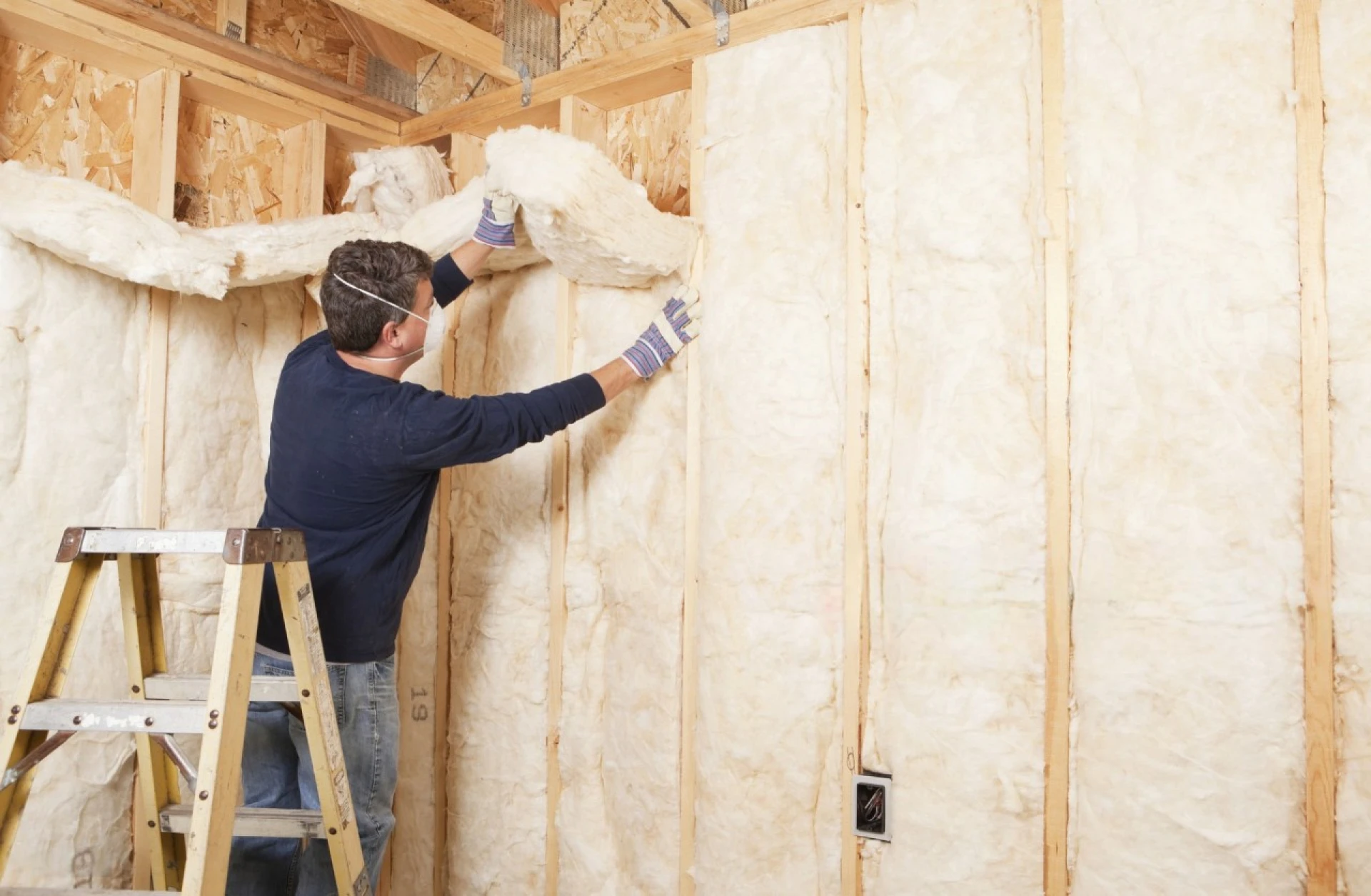
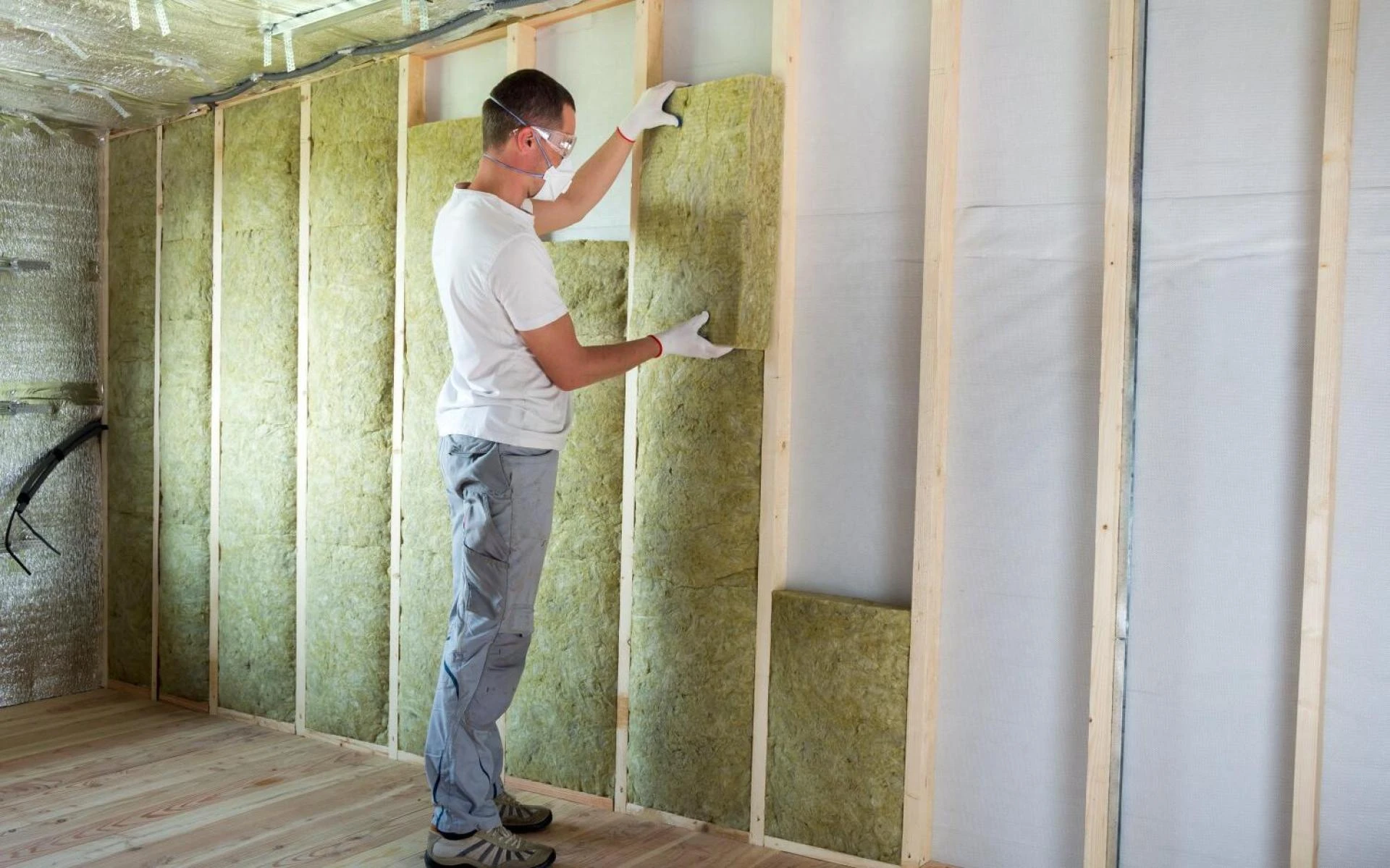
This process brings microscopic debris into the home. Without a dense air barrier in the wall cavity, the insulation acts like a dirty filter. Over time, traditional fiberglass batts can become clogged with dust and particulates, eventually allowing them to bypass the filter and enter the room.
Controlling the Stack Effect
The stack effect describes how warm air rises and escapes through the roof, pulling cooler replacement air in from the bottom of the house. This replacement air often originates from crawl spaces or basements, traveling up through the wall cavities.
If these cavities are hollow or filled with permeable material, they act as highways for soil gases, radon, and musty odors. Blocking these vertical channels with spray foam or dense-pack cellulose breaks the cycle, ensuring that the air in the living room comes from a clean source rather than the foundation.
The Impact on Allergy Sufferers
For individuals with respiratory conditions, the difference between a sealed home and a drafty one is palpable. Pollen grains are small enough to drift through the tiniest openings in the building structure.
By sealing the walls, homeowners drastically reduce the pollen count inside the house. This creates a sanctuary where the immune system can rest, free from the constant assault of outdoor allergens.
Moisture Control and Mold Prevention
Water vapor is the most dangerous pollutant for long-term health. When warm, moist air touches a cold surface inside a wall, it condenses into liquid water. This hidden moisture creates the perfect environment for black mold and mildew.
Mold spores are potent allergens and can cause severe respiratory distress. Once mold establishes itself inside a wall, it releases spores into the indoor air continuously. Preventing this requires insulation that manages surface temperatures and restricts moisture movement.
The Role of Vapor Retarders
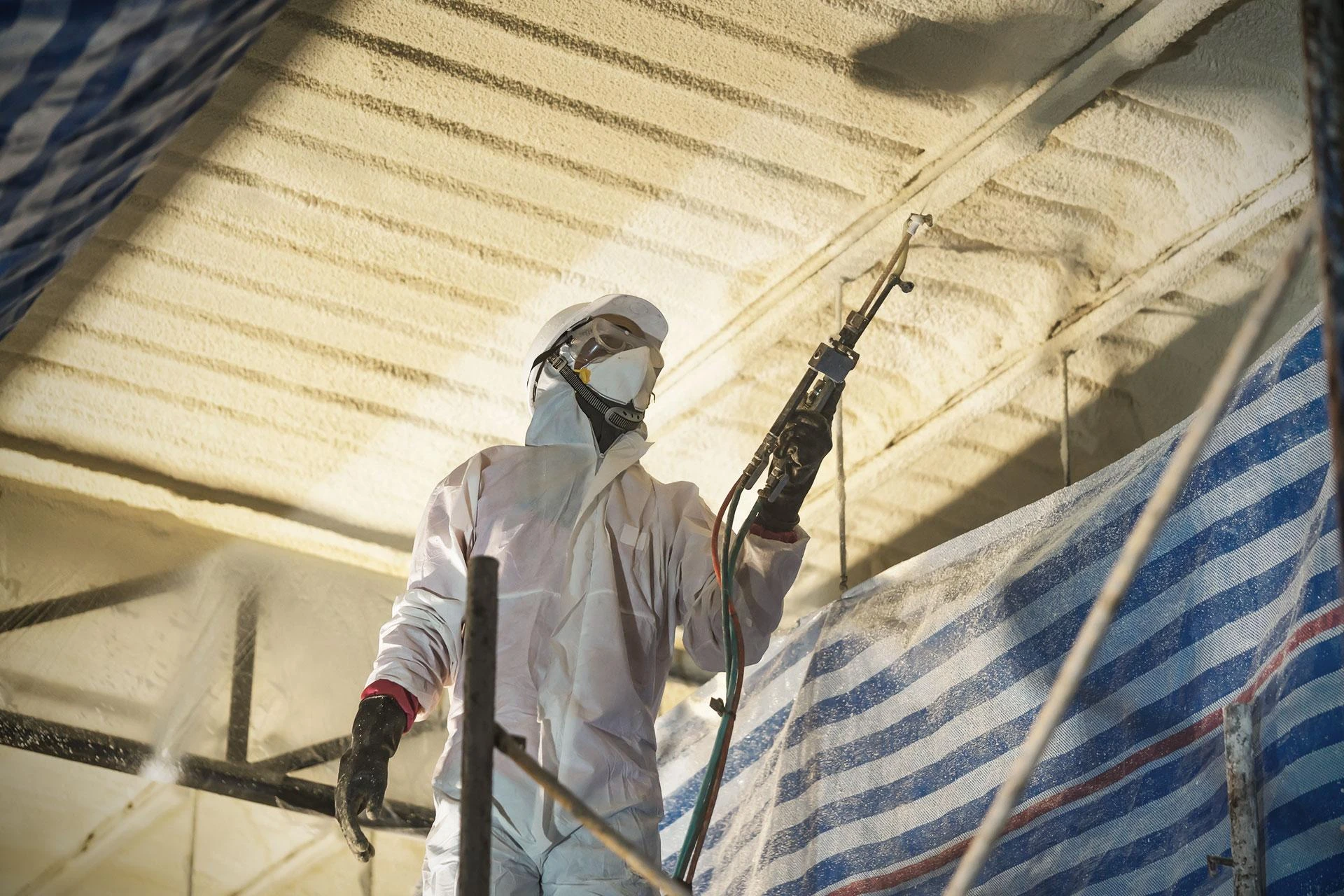
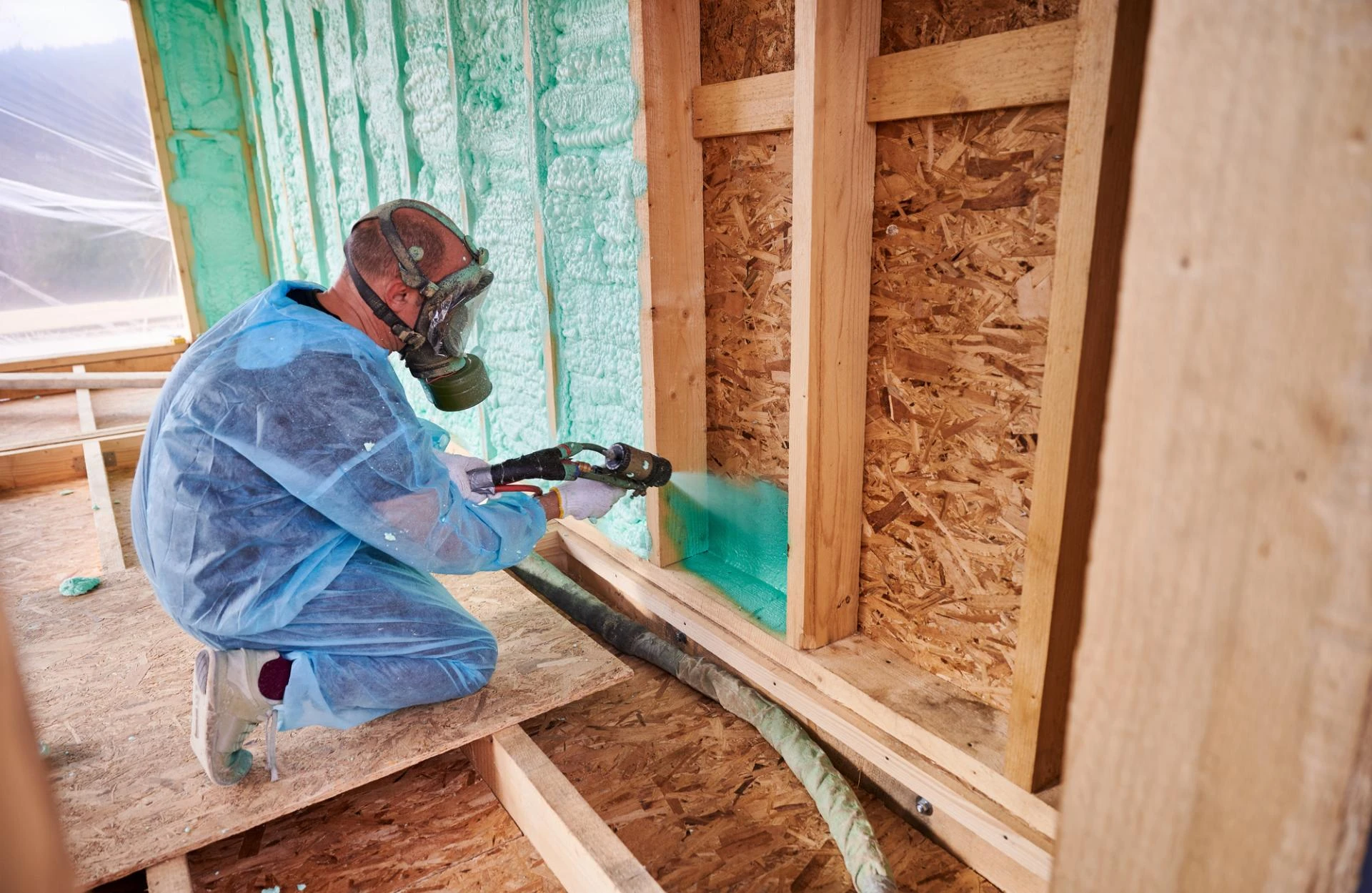
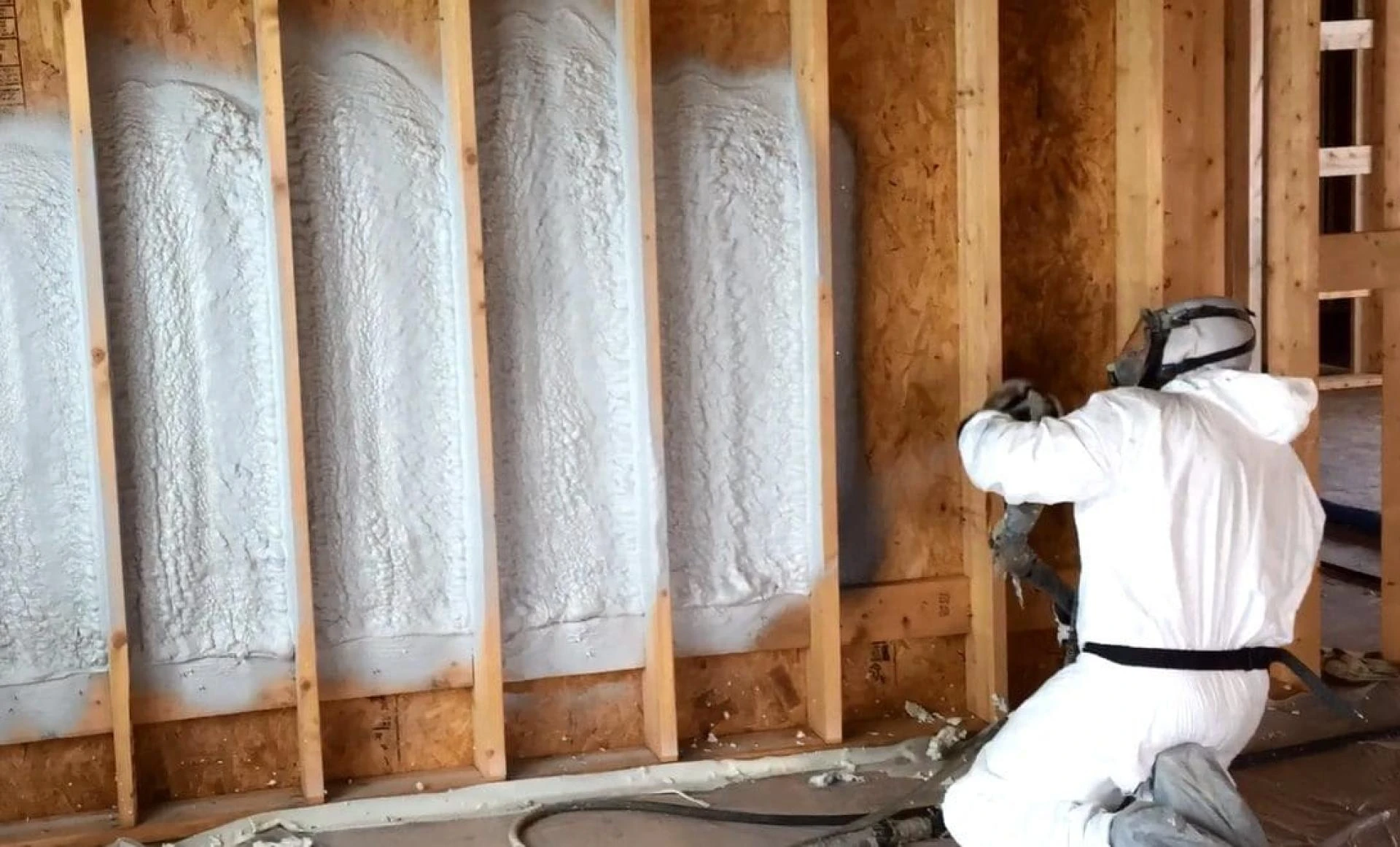
Managing moisture in walls is critical to prevent structural damage and mold growth. Closed-cell spray foam provides an effective solution.
- Acts as a vapor retarder, blocking moisture from reaching cool surfaces
- Prevents condensation that can lead to mold, mildew, and wood rot
- Keeps wall cavities dry and chemically stable in humid climates
- Ensures long-term durability of framing and finishes
- Protects indoor air quality by reducing mold and allergen risks
Preventing Condensation on Surfaces
Insulation keeps the interior surface of the wall warm. When walls are cold to the touch, humidity from cooking or showering can condense on the drywall, leading to surface mold.
Adequate thermal resistance ensures that the drywall stays above the dew point temperature. This simple physical property prevents the sweating walls that often plague older, poorly insulated properties.
Bonus Tip: Monitor Humidity Levels
Even with excellent insulation, indoor habits matter. Keeping indoor humidity between 30 percent and 50 percent is ideal. Use exhaust fans in bathrooms and kitchens to remove moisture at the source before it tests the limits of the wall assembly.
Chemical Stability of Materials
Modern insulation standards require materials to be chemically inert after installation. This ensures that the insulation itself does not contribute to indoor air pollution through off-gassing once it has cured.
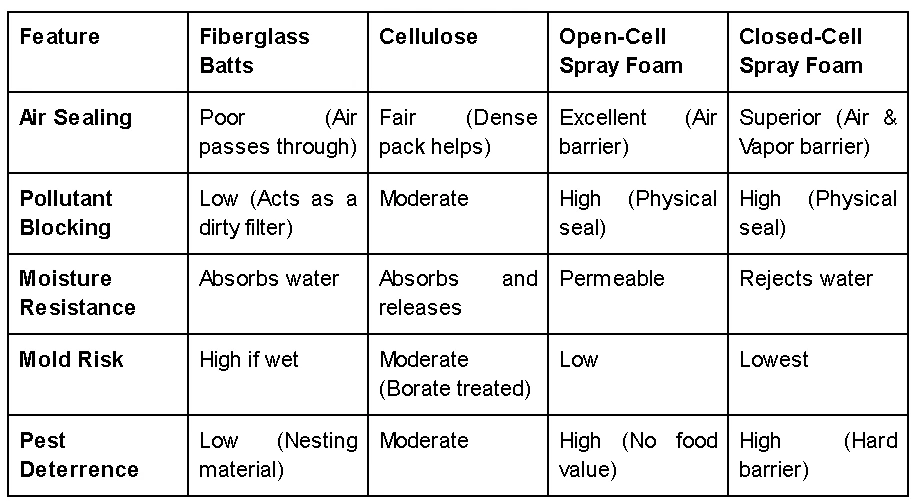
Comparing Insulation Types for Air Quality
Not all insulation offers the same level of protection against pollutants. The following table outlines how common materials perform regarding air sealing and biological resistance.
Things to Consider Before Making a Decision
Improving wall insulation changes the dynamics of a home. When a house becomes airtight, it loses the ability to "breathe" through accidental leaks. This is good for energy efficiency but requires deliberate ventilation strategies.
Homeowners must ensure that their HVAC system includes fresh air intake or an Energy Recovery Ventilator (ERV). Without this, CO2 levels and indoor pollutants from cooking or cleaning can build up.
Chemical Sensitivity and Installation
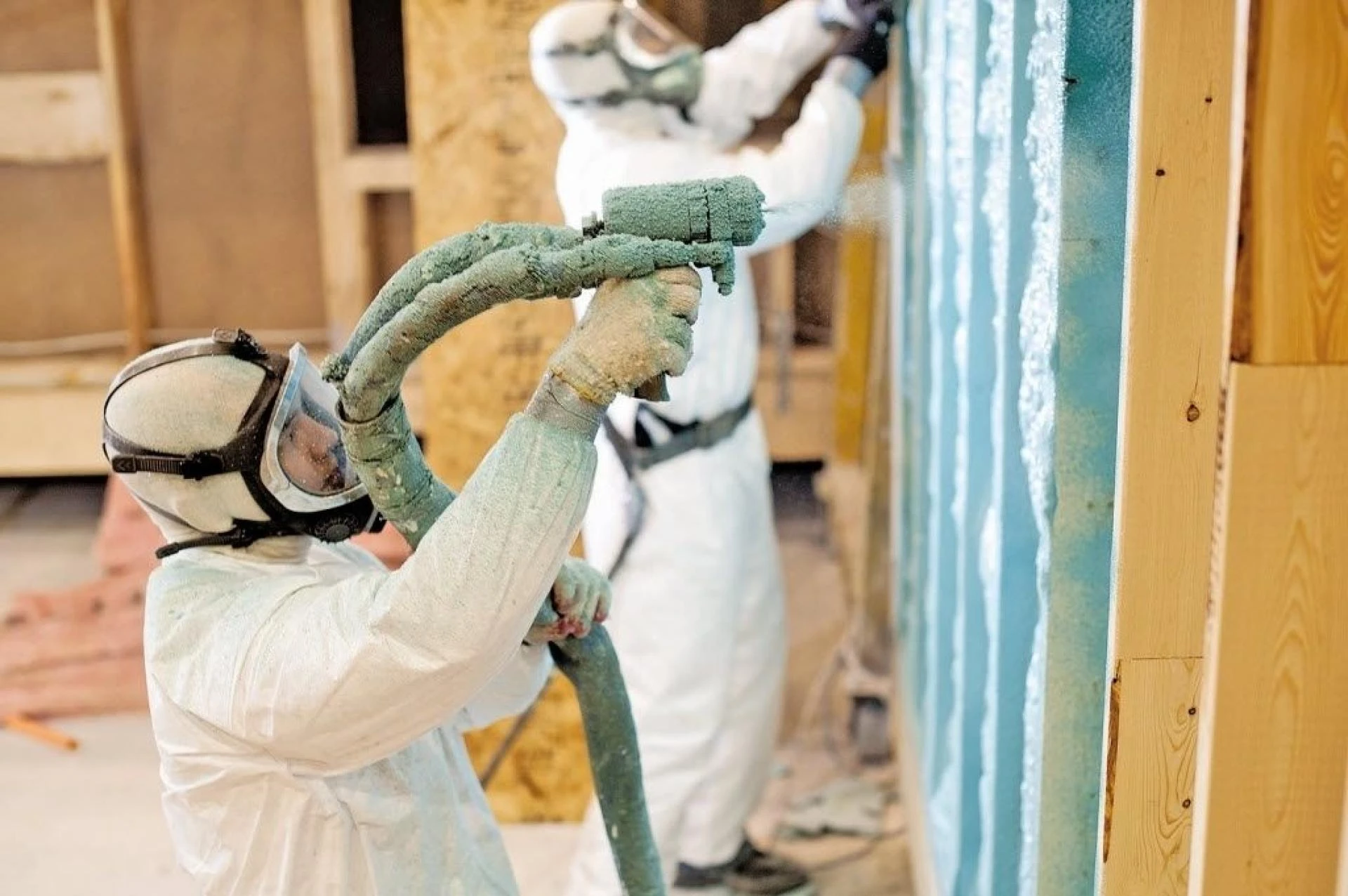
During the installation of spray foam, the chemical reaction releases off-gassing. It is standard safety protocol for occupants to vacate the premises during application and for 24 hours afterward.
Once cured, the material is safe. However, homeowners with extreme chemical sensitivities should discuss low-VOC options and extended ventilation periods with their contractor to ensure total peace of mind.
Final Thoughts on Healthy Homes
The connection between wall insulation and air quality is undeniable. By treating the walls as a defensive shield, homeowners protect their families from the invisible particulate matter and biological threats that exist outdoors.
This approach creates a controlled environment where the air is cleaner, drier, and healthier. The investment in proper insulation pays dividends not just in lower energy bills, but in the reduced respiratory stress and improved overall well-being of the occupants.
Improving Your Indoor Environment
Homeowners interested in assessing their current air quality risks and insulation levels can find professional support through Raleigh Excel Spray Foam Insulation. They provide detailed evaluations of the building envelope to identify leak points and moisture risks.
Their team specializes in advanced application techniques that seal homes effectively while maintaining safety standards. To discuss how insulation can improve indoor health, readers can contact them at [email protected] or by calling (919) 301-9435.
Questions People Ask About Air Quality and Insulation
Does spray foam insulation off-gas forever?
No, high-quality spray foam is inert once it has fully cured, which typically takes 24 to 48 hours. After this period, it does not release harmful volatile organic compounds (VOCs) into the home.
Will sealing my walls cause carbon monoxide buildup?
A tighter home traps pollutants generated inside if not ventilated. It is critical to have properly vented gas appliances and functioning carbon monoxide detectors. Mechanical ventilation is often added to ensure fresh air exchange.
Can insulation help with wildfire smoke?
Yes, an airtight home is much more effective at keeping smoke out. By sealing the leaks in walls and attics, the house maintains positive control over air entry, allowing filters to clean the air that is mechanically brought in.
Does insulation stop mice and bugs?
Dense insulation like spray foam removes the gaps that pests use to enter. Unlike fiberglass, which mice often use for nesting, foam provides no food value and is difficult to tunnel through, reducing the presence of biological waste from pests.
Is old insulation inadequate for air quality?
Old insulation can be a repository for dust, mouse droppings, and mold spores. If the material is black or compressed, it is likely compromising the air quality and should be removed by a professional.
Author: Edith has extensive experience in residential and commercial property management and is dedicated to helping clients improve energy efficiency, comfort, and indoor air quality through advanced insulation solutions.
Reviewer: With nearly a decade in the spray foam insulation field, William Harris reviewed this post and provided guidance that reflects both technical understanding and real-world marketing experience.

























Sign in to leave a comment.