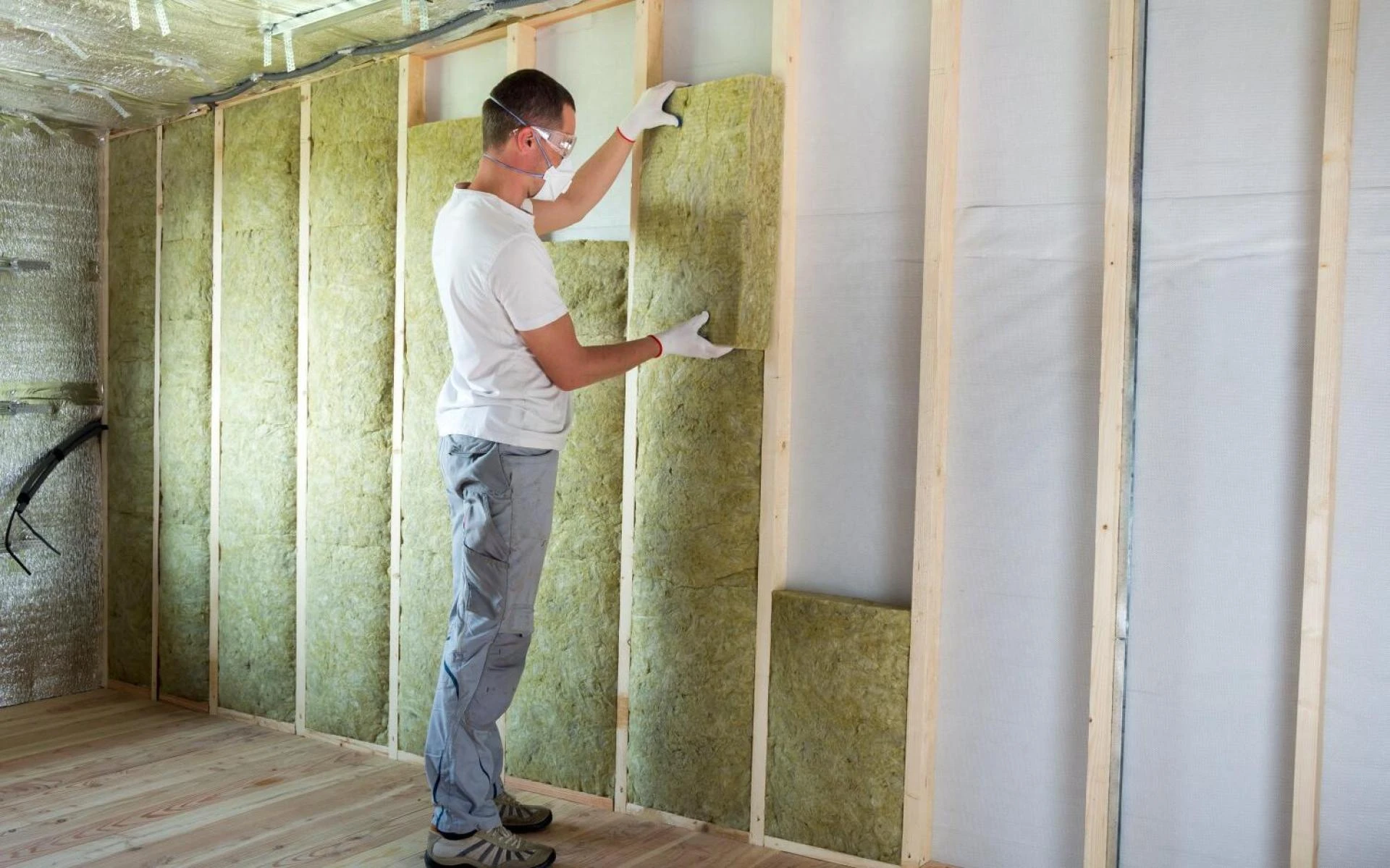

Wall insulation serves as a fundamental component of any successful renovation because opening a wall cavity offers a rare, cost-effective opportunity to upgrade a home's thermal performance, air sealing, and acoustic privacy. Once drywall is removed during a remodel, homeowners gain access to the structural "bones" of the house, allowing for the installation of high-performance materials that are otherwise difficult or expensive to retrofit. Neglecting this step often results in a visually updated room that remains drafty, noisy, and expensive to heat or cool.
The decision to insulate during a renovation addresses the root causes of energy loss and discomfort rather than just covering them up with new paint or fixtures. By creating a continuous thermal barrier and sealing air leaks around outlets, switches, and windows, property owners ensure that their investment delivers daily value through lower utility bills and stable indoor temperatures. This proactive approach transforms a cosmetic update into a comprehensive home improvement that protects the structure and enhances occupants' quality of life.
The Value of Accessible Wall Cavities
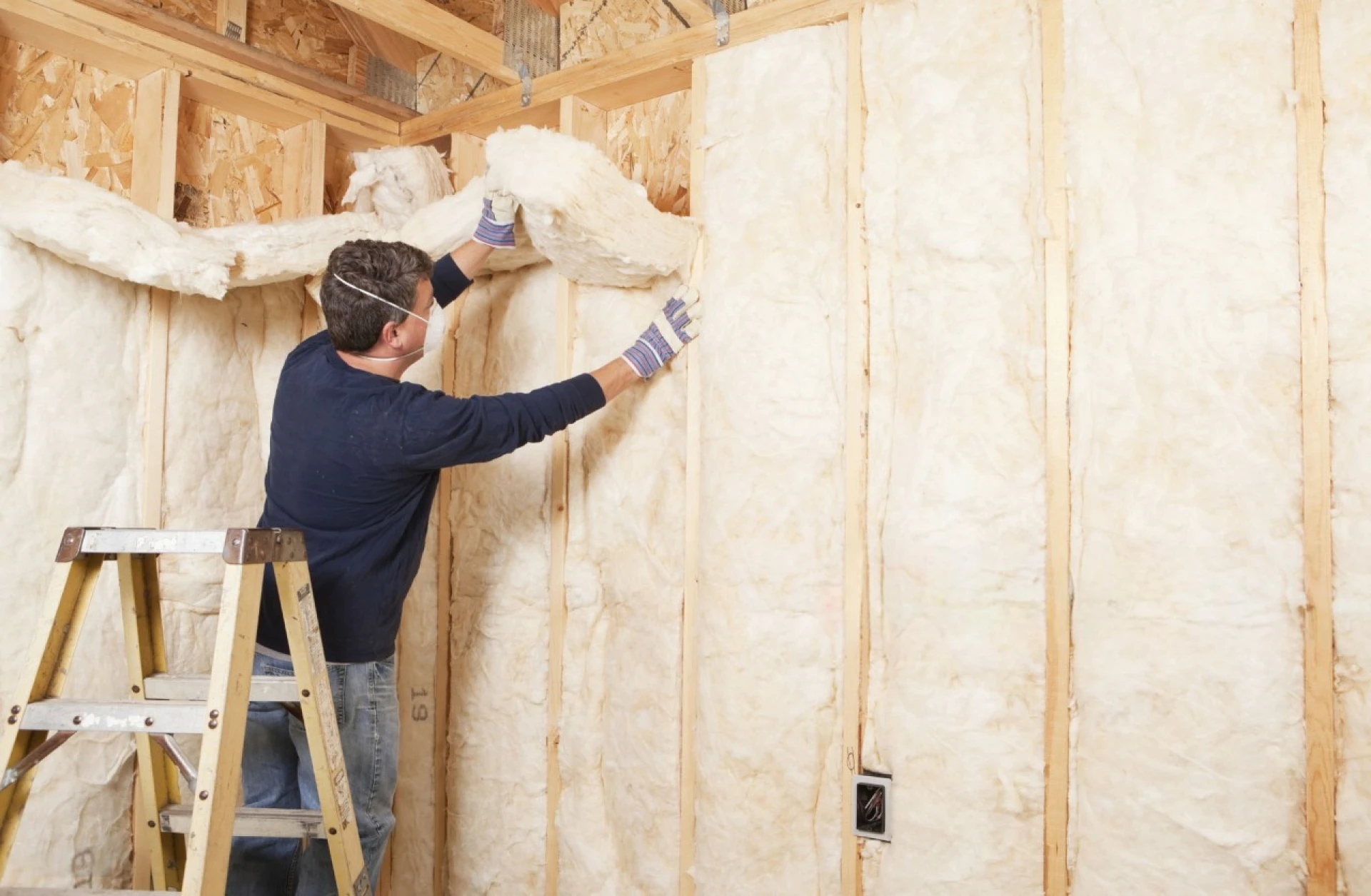
Renovations typically involve tearing down old plaster or drywall, which exposes the stud bays for the first time in decades. This moment is critical because adding insulation to an open wall is significantly cheaper and more effective than blowing material into a closed cavity.
When walls are open, installers can see precisely where air leaks are. They can seal around plumbing pipes, electrical wires, and window frames with precision. This level of detail is impossible to achieve with "drill-and-fill" methods applied to finished walls, making the renovation phase the logical time to address energy efficiency.
Preventing Future Retrofit Costs
When walls are open during a remodel, it's the best and easiest time to add insulation. Skipping it now makes the problem harder and more expensive to fix later.
- Avoiding insulation during a remodel locks in high energy use for decades.
- Fixing it later means tearing out new work or drilling many holes in finished walls.
- Open framing lets installers place insulation with full access to every cavity.
- Proper access helps prevent gaps and voids that reduce performance.
- Adding insulation during construction saves time, money, and future headaches.
Maximizing Interior Space and Comfort
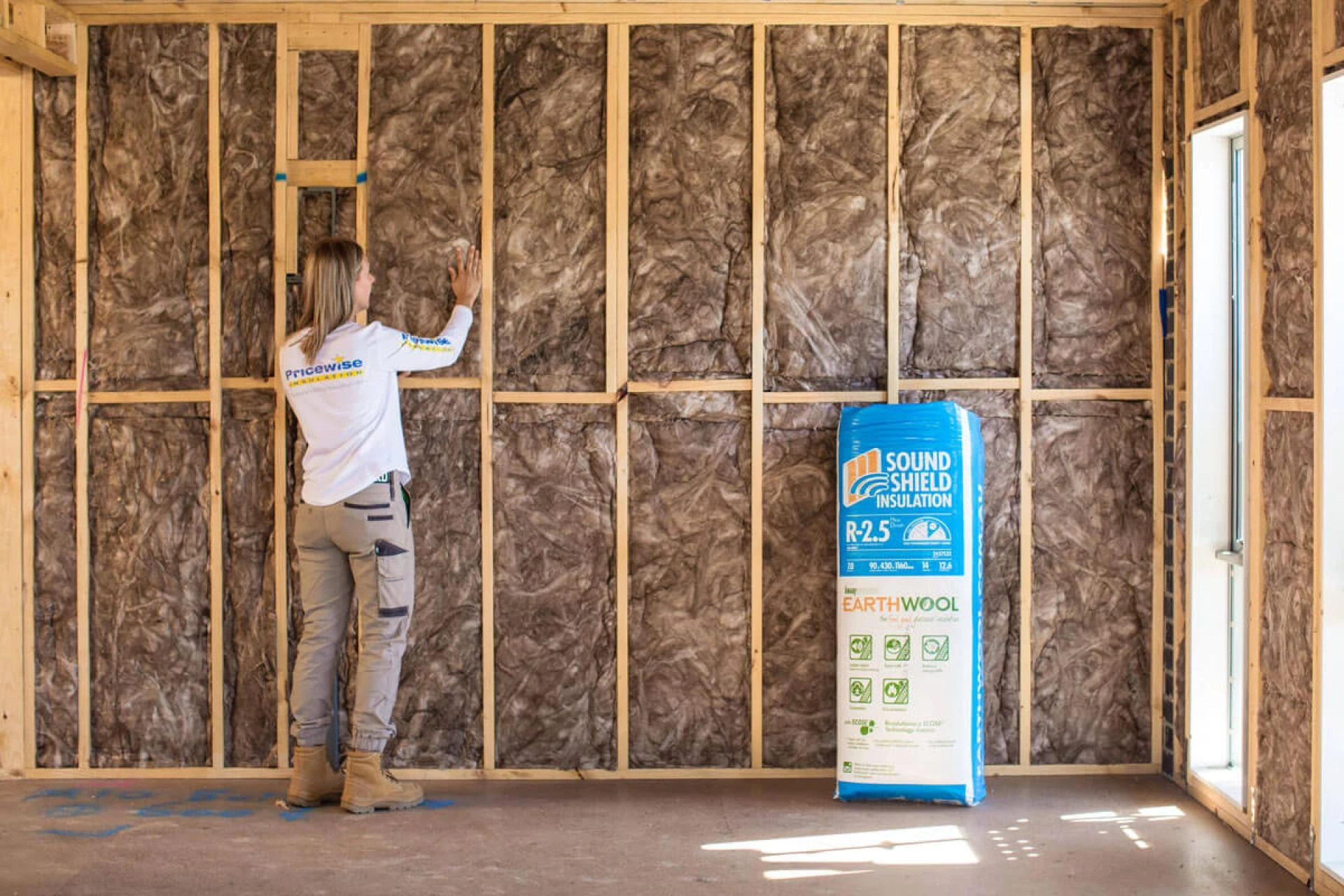
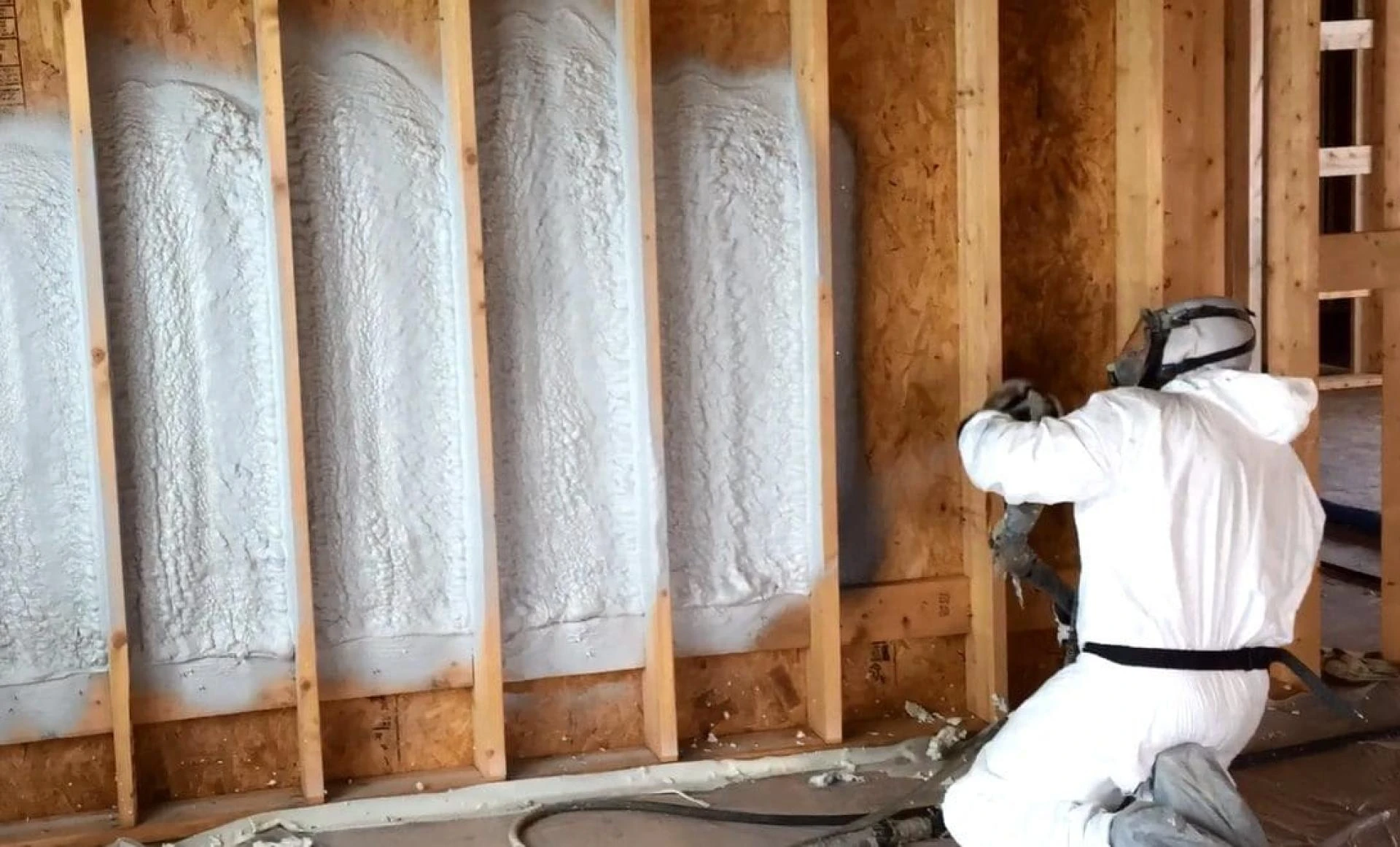
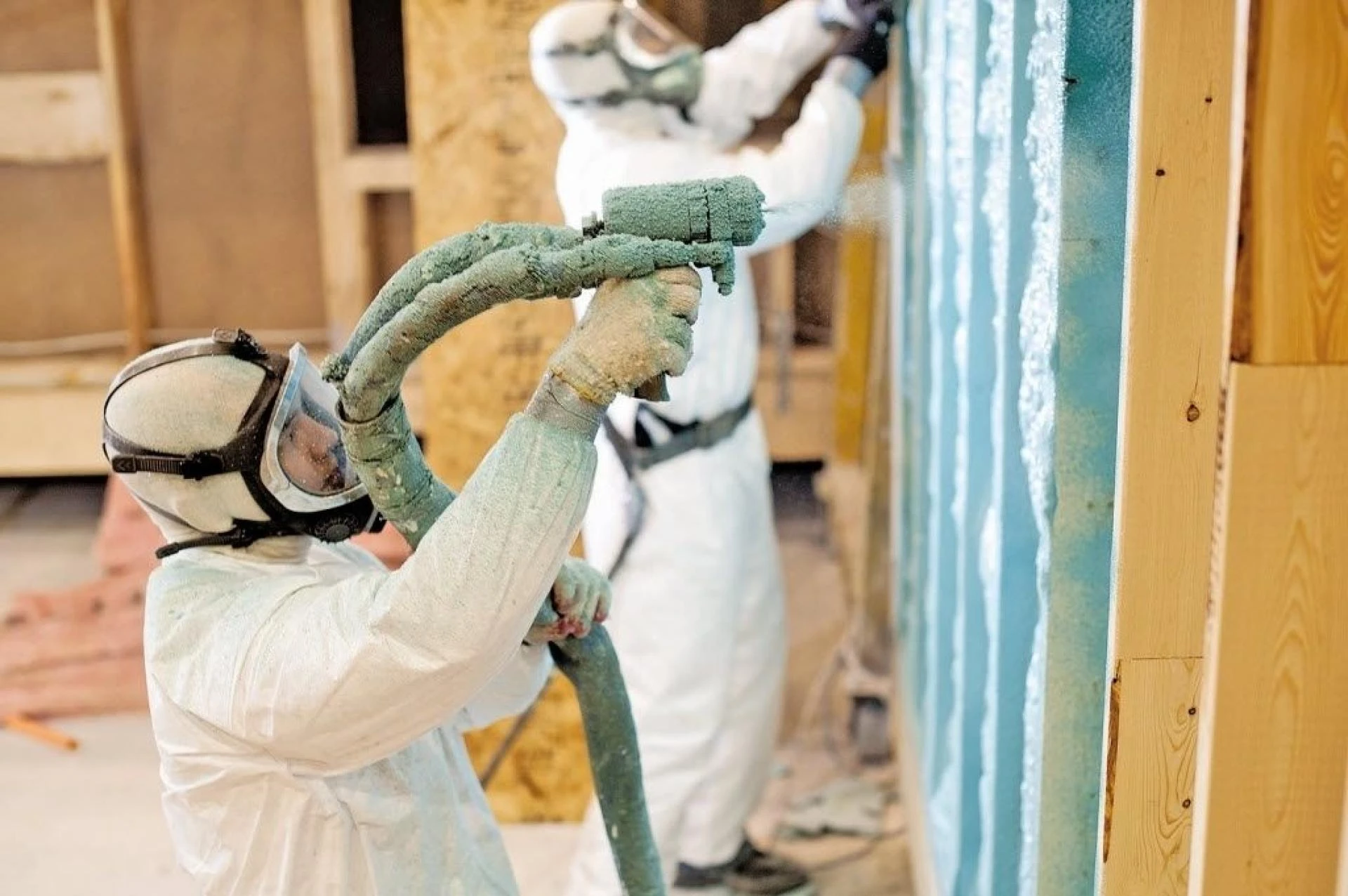
Modern insulation materials, particularly spray foam, offer high R-values per inch. This allows builders to achieve significant thermal resistance even in the shallow 2x4 walls found in older homes.
Residents benefit from a highly efficient wall without having to build out the framing, which would reduce the room's square footage. This efficient use of space preserves the interior dimensions while delivering the comfort of a modern, thick-walled home.
Comparing Wall Insulation Options
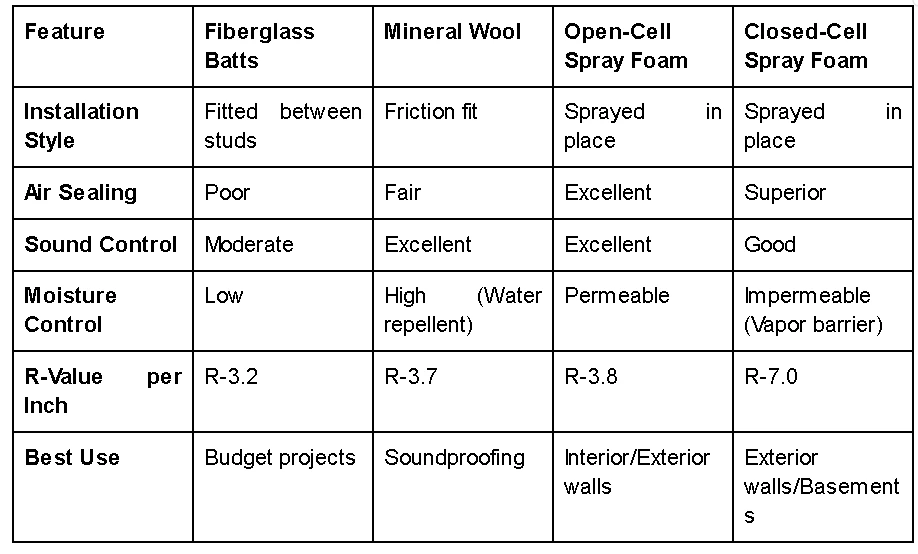
Choosing the right material depends on the specific goals of the renovation, such as sound control or maximum energy efficiency. The following table compares standard options available for open-wall applications.
Soundproofing and Privacy Benefits
Renovations often aim to create dedicated spaces like home offices, nurseries, or media rooms. Standard hollow walls act like drums, transmitting conversations and television noise clearly between rooms.
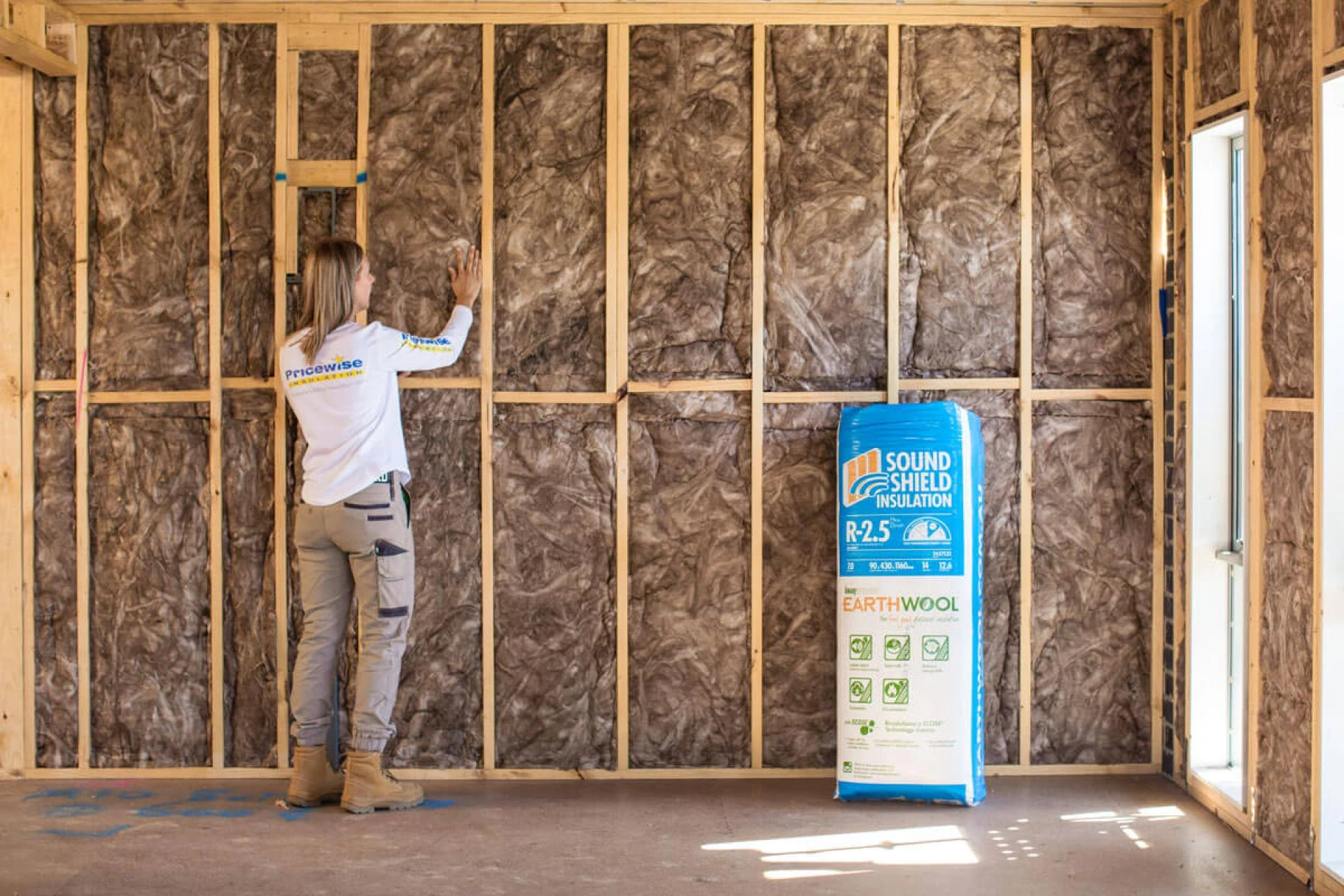
Insulation breaks this path of sound transmission. Materials like open-cell spray foam or mineral wool absorb sound waves, creating a quieter environment. Including insulation in interior partition walls, not just exterior ones, adds a layer of privacy that defines a high-quality living space.
Creating Quiet Zones
For bedrooms or bathrooms adjacent to noisy living areas, acoustic insulation is a necessity. It dampens the vibrations that travel through the drywall and studs.
This simple addition changes the feel of a home. It makes rooms feel solid and secluded, preventing the "paper-thin" wall effect that cheapens the experience of a newly renovated house.
Bonus Tip: Insulating Around Pipes
When renovating a bathroom or kitchen, always insulate the wall cavities that contain water pipes. This not only reduces the noise of rushing water but also protects exterior-wall pipes from freezing.
Reducing Street Noise
For homes located near busy streets, exterior wall insulation acts as a shield against traffic noise. Sealing the air gaps in the wall assembly stops airborne noise from entering, resulting in a peaceful interior atmosphere.
Things to Consider Before Making a Decision
Before any wall is sealed, mechanical systems need a thorough check to ensure they are safe and up to modern standards. This prevents hidden problems from being buried inside the structure.
- Old knob-and-tube wiring must be upgraded because it cannot be buried under insulation.
- Any signs of leaks, mold, or framing rot need to be fixed before insulation is installed.
- Inspect plumbing lines for corrosion, loose fittings, and past repairs that may fail later.
- Wall cavity depth determines which insulation types can meet code requirements.
- Older homes with genuine 2-by-4 studs have deeper cavities than modern lumber, which affects material choice.
Final Thoughts on Renovation Priorities
Including wall insulation in a renovation plan is a practical decision that pays dividends for the life of the home. It moves the project beyond cosmetic improvements to address the building's fundamental performance.
By securing the thermal envelope and reducing noise transfer while the walls are open, homeowners maximize their investment. The result is a modernized space that looks beautiful and functions efficiently.
Expert Insulation Services for Renovations
Homeowners planning a remodel can optimize their project with help from Raleigh Excel Spray Foam Insulation. They provide professional assessments to determine the best insulation strategy for open walls, ensuring that the new space is comfortable, quiet, and energy-efficient.
Their team coordinates with renovation schedules to apply high-performance insulation quickly and correctly. To discuss an upcoming project, interested parties can contact them at [email protected] or call (919) 301-9435.
Questions People Ask About Wall Renovations
Can I insulate just one room?
Yes, insulating a single room during a renovation helps that specific space retain temperature and block noise. However, for overall home efficiency, the best results come from addressing the entire building envelope over time.
Does wall insulation cause mold?
Properly installed insulation actually prevents mold by keeping the interior wall surfaces warm, which stops condensation from forming. Vapor barriers must be placed correctly based on the climate to ensure the wall can dry out if moisture gets in.
How long does spray foam take to install in open walls?
For a typical room renovation, the actual spraying process is speedy, often completed in a few hours. The crew needs time for prep work, masking off windows and floors, and cleanup, which usually makes it a one-day job.
Is it worth insulating interior walls?
For temperature control, interior insulation is less critical unless zoning the HVAC system. For sound control and privacy, insulating interior walls is highly recommended and adds noticeable value to the daily living experience.
Will insulation affect my Wi-Fi signal?
Most insulation materials, including fiberglass and standard spray foam, do not block Wi-Fi signals. However, foil-faced insulation boards or aluminum radiant barriers can interfere with wireless signals passing through walls.
Author: Edith has extensive experience in residential and commercial property management and is dedicated to helping clients improve energy efficiency, comfort, and indoor air quality through advanced insulation solutions.
Reviewer: With nearly a decade in the spray foam insulation field, William Harris reviewed this post and provided guidance that reflects both technical understanding and real-world marketing experience.




























Sign in to leave a comment.