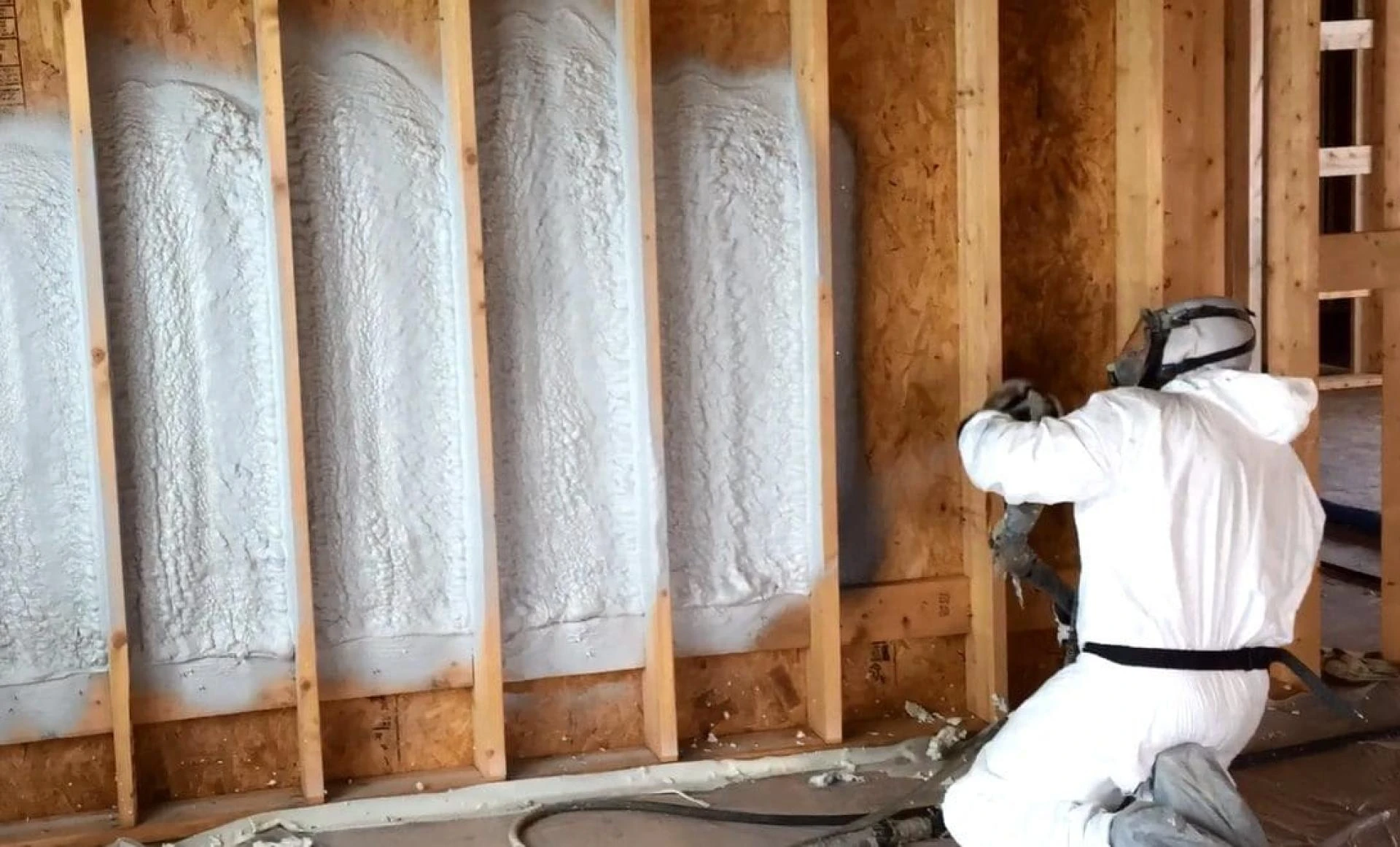

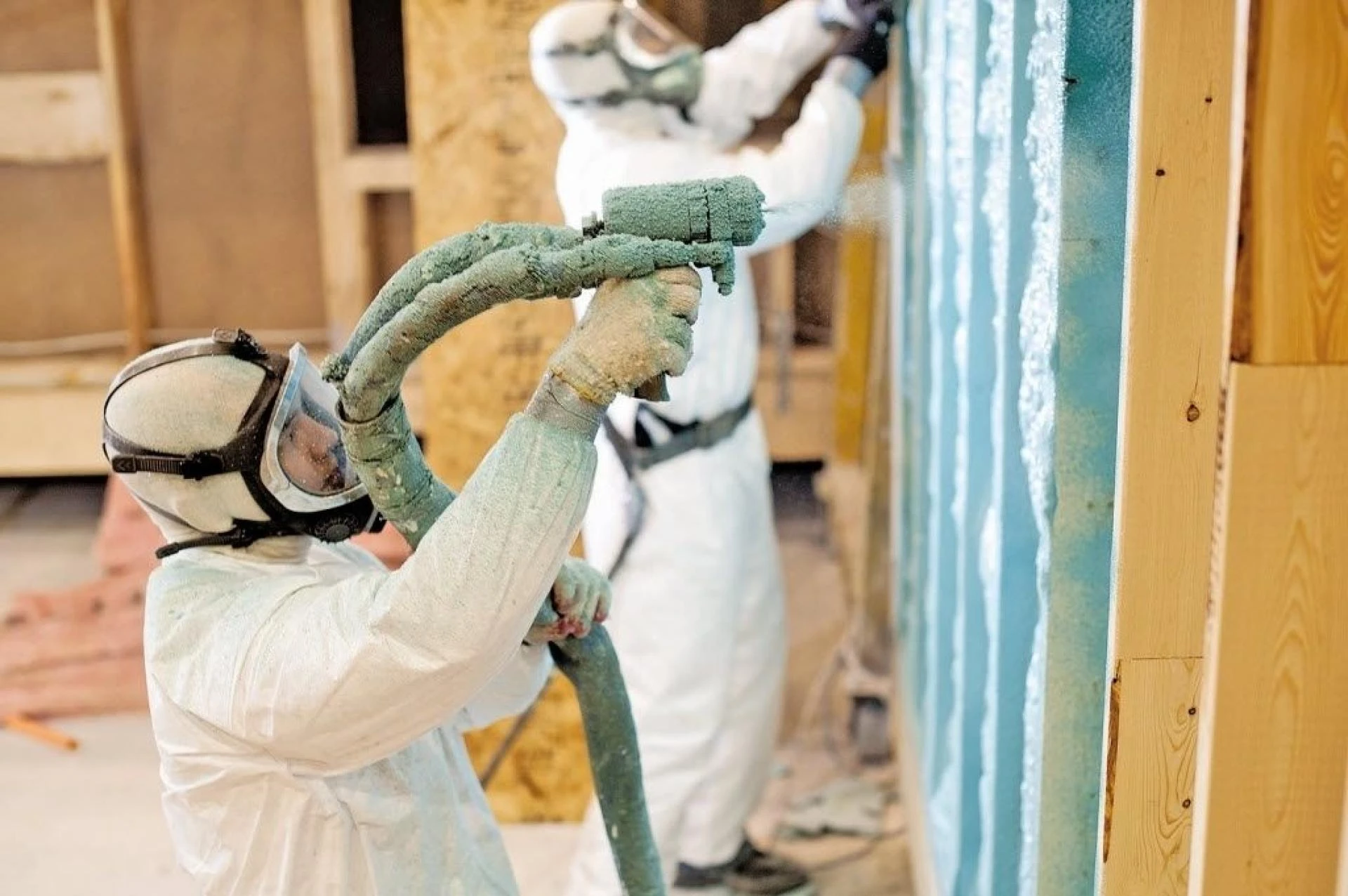
Spray foam insulation creates a high-performance building envelope that drastically reduces energy consumption by addressing both thermal conductivity and air leakage simultaneously. While traditional insulation materials primarily slow down the transfer of heat, spray foam expands to fill every crack and crevice, effectively stopping the uncontrolled movement of air that accounts for a significant portion of energy waste. This dual capability allows property owners to maintain consistent indoor temperatures with less mechanical intervention, resulting in immediate and long-term financial savings.
The efficiency of a home relies heavily on how well it retains conditioned air, and spray foam offers a solution that outperforms fibrous alternatives by sealing the structure as it insulates. Industry data indicates that air infiltration can be responsible for up to 40% of a home's heating and cooling loss, a statistic that highlights the importance of an airtight seal. By choosing a material that addresses the root causes of energy inefficiency, homeowners secure a comfortable living environment that requires significantly less power to operate.
The Mechanics of Thermal Efficiency
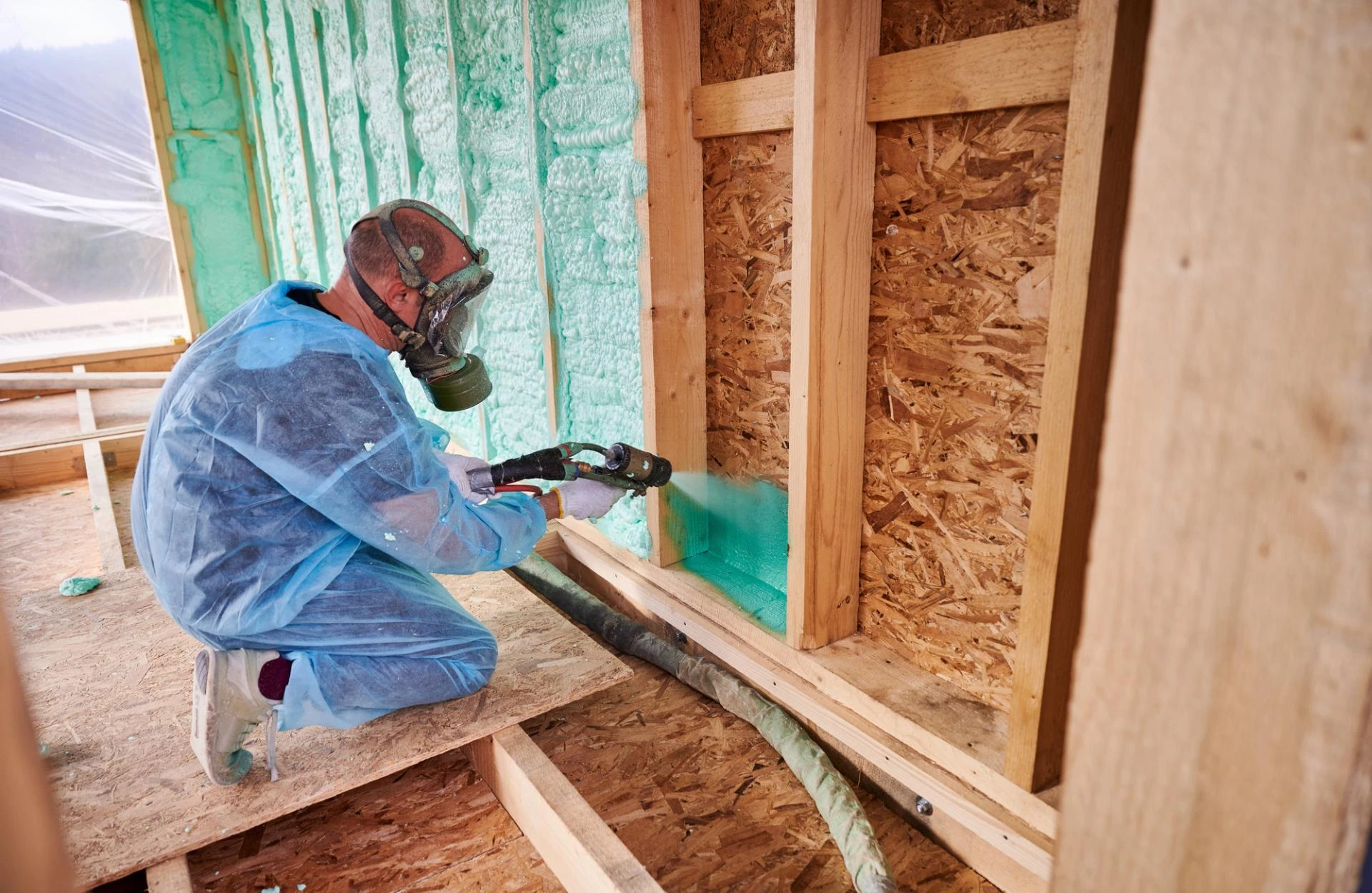
Understanding how heat moves through a building is necessary to appreciate the value of spray foam. Heat naturally flows from warm areas to cool areas, meaning it tries to escape outside during winter and invade the interior during summer.
Most insulation products act like a wool sweater, slowing this process down but allowing wind to cut right through. Spray foam functions closer to a windbreaker over a sweater, stopping the airflow entirely while also providing thermal resistance. This comprehensive approach ensures that the energy paid for stays inside the living space.
Eliminating the Stack Effect
The stack effect causes warm air to rise and draw in cold air from lower levels, increasing HVAC workload. Spray foam insulation effectively interrupts this cycle to stabilize indoor temperatures.
- Seals the attic roof deck or floor to stop vertical air movement.
- Maintains balanced air pressure throughout the home.
- Prevents cold drafts from entering at the foundation level.
- Keeps upper floors cooler in summer and warmer in winter.
- Reduces HVAC runtime, lowering energy consumption and improving comfort.
Why Air Barriers Matter More Than R-Value
R-value measures resistance to conductive heat flow, but it does not account for air leakage. A wall with high R-value insulation that is riddled with gaps will still lose massive amounts of energy.
Spray foam provides a continuous air barrier that enhances the effective R-value of the entire wall assembly. It prevents the "wind-washing" effect that degrades the performance of loose-fill or batt insulation, ensuring that the rated thermal resistance is actually achieved in real-world conditions.
Bonus Tip: Inspecting Penetrations
Key areas for energy loss are often small penetrations for wires, pipes, and ducts. When applying spray foam, ensure that these mechanical penetrations are completely encapsulated. This attention to detail prevents small leaks that can collectively equal the size of an open window.
The Role of Structural Integrity
Beyond insulation, closed-cell spray foam adds structural strength to walls and roofs. This rigidity prevents the building from shifting in high winds, which helps maintain the airtight seal over decades. A stable structure ensures that energy efficiency does not degrade as the building ages.
Comparing Insulation Performance Metrics
To make an informed choice, it helps to see how different materials stack up regarding energy conservation factors. The following table illustrates the functional differences between common insulation types found in residential structures.

Reducing HVAC Workload and Maintenance
One of the most practical benefits of spray foam is the reduced load it places on heating and cooling equipment. When the thermal envelope is tight, the HVAC system does not have to run as often or as hard to reach the thermostat setting.
This reduction in runtime directly translates to lower electricity or gas usage. Furthermore, because the equipment cycles less frequently, the wear and tear on motors and compressors is minimized, leading to longer equipment lifespans and fewer repair bills.
Downsizing Equipment Opportunities
Spray foam insulation can reduce a home’s heating and cooling load, sometimes allowing for smaller HVAC systems. Proper sizing ensures comfort and efficiency.
- Perform a manual J load calculation before replacing HVAC units.
- Smaller units cost less upfront and consume less energy.
- Avoids short-cycling, which prevents proper humidity removal.
- Enhances overall indoor comfort with consistent temperature and humidity.
- Maximizes the efficiency benefits of high-performance insulation.
Things to Consider Before Making a Decision
While the energy benefits are clear, investing in spray foam requires planning and professional assessment. The condition of the existing structure plays a role in which type of foam is best suited for the project.
For example, applying closed-cell foam to a roof deck can hide future leaks if not done correctly. Homeowners must ensure the substrate is sound and dry before application. Additionally, the permanence of the material means that any electrical or plumbing work inside the walls should be completed before insulation.
Final Thoughts on Efficiency
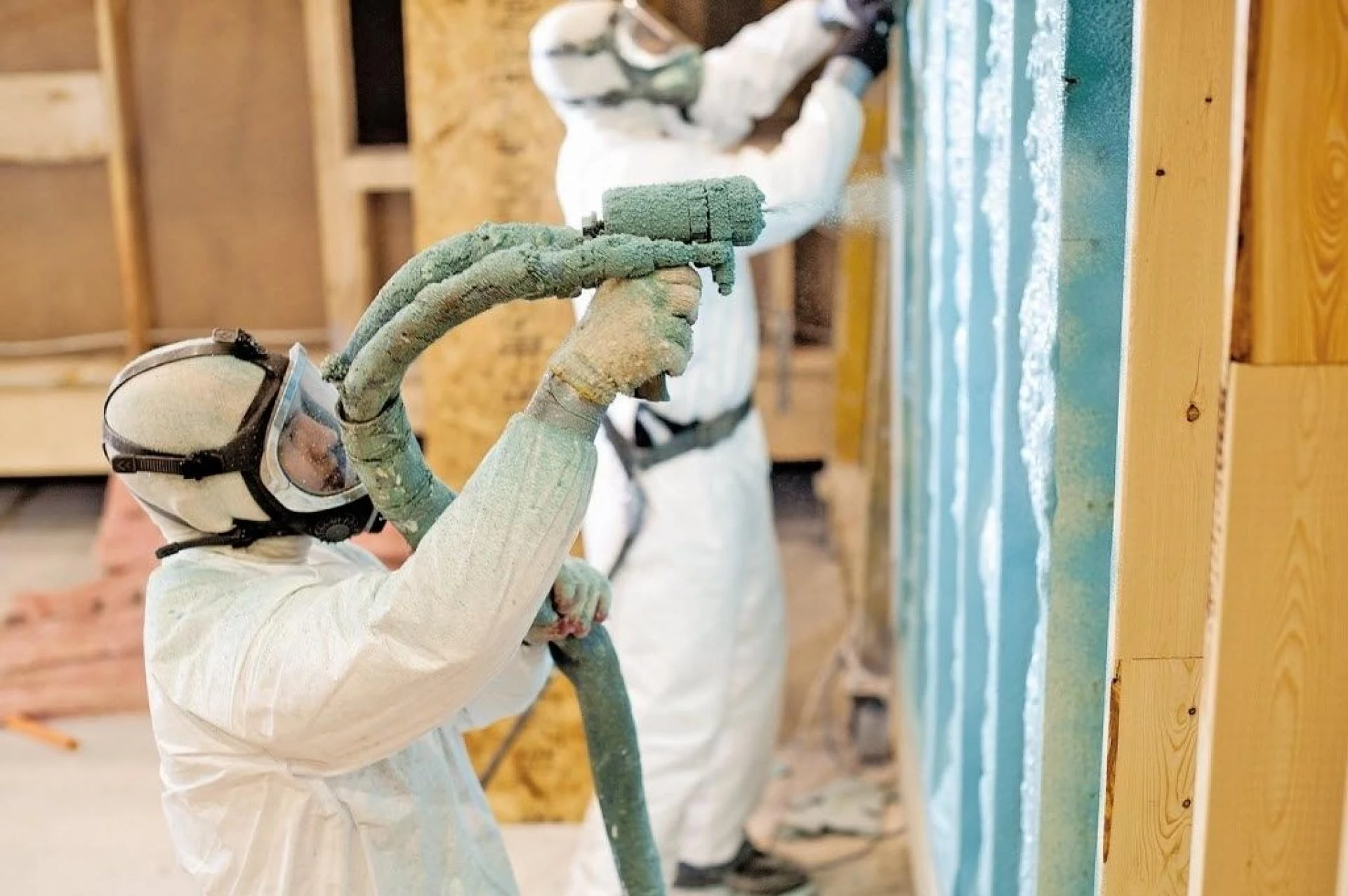
Implementing spray foam insulation offers a practical path toward significant energy reduction and improved home comfort. By sealing air leaks and providing high thermal resistance, property owners can stabilize their indoor environment against outdoor weather fluctuations.
The initial investment pays dividends through lower monthly bills and extended mechanical system life. It transforms a building from a passive energy consumer into an efficient structure that retains the comfort residents pay for.
Taking the Next Step for Energy Savings
Property owners interested in maximizing their building's potential can find expert guidance at Raleigh Excel Spray Foam Insulation. They provide comprehensive evaluations to identify the specific areas where energy loss is occurring and recommend tailored solutions.
Their team specializes in precision application techniques that ensure optimal performance and long-term durability. For more information on securing a more efficient future, readers can contact them at [email protected] or call (919) 301-9435.
Questions People Ask About Energy Savings
How much can I expect to save on utility bills?
While every home is different, the Department of Energy estimates that air sealing and insulating can save homeowners an average of 15% on heating and cooling costs. In homes with spray foam, savings often range from 20% to 50% depending on the severity of previous leaks.
Does spray foam lose its R-value over time?
No, unlike traditional materials that can settle, compress, or absorb moisture, properly applied spray foam maintains its R-value and air sealing properties for the life of the building. It does not degrade significantly as it ages.
Will I need a dehumidifier with spray foam?
Because spray foam creates such a tight seal, it traps internal moisture generated by cooking and showering. It is often recommended to install an energy recovery ventilator (ERV) or a whole-house dehumidifier to maintain healthy indoor air quality and humidity levels.
Is it worth insulating the floor if I insulate the attic?
Yes, insulating the floor or encapsulating the crawl space completes the thermal boundary. Leaving the floor untreated allows cold air and moisture to enter from below, which can negate some of the benefits achieved by insulating the attic.
Does spray foam help with soundproofing?
Yes, particularly open-cell foam. Its porous structure absorbs sound waves, reducing noise transfer from outside traffic or between rooms. This contributes to a quieter, more peaceful indoor environment.
Author: Edith has extensive experience in residential and commercial property management and is dedicated to helping clients improve energy efficiency, comfort, and indoor air quality through advanced insulation solutions.
Reviewer: With nearly a decade in the spray foam insulation field, William Harris reviewed this post and provided guidance that reflects both technical understanding and real-world marketing experience.


























Sign in to leave a comment.