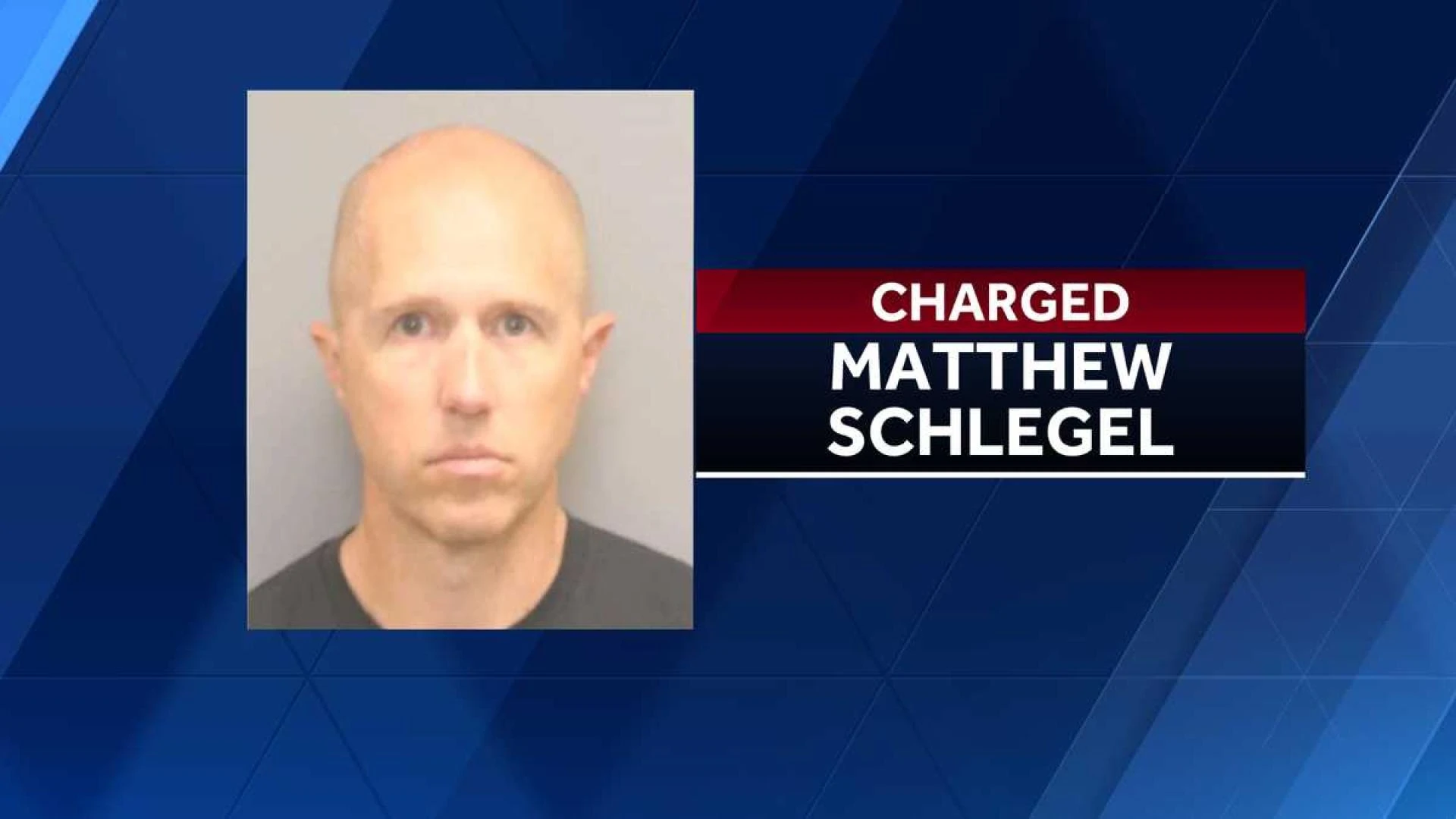

In the quiet suburb of Severna Park, Maryland, a storm has erupted around one man’s legacy. Matthew shlegel, a former third-grade math teacher at Severna Park Elementary School, rose to public prominence not for his teaching, but for facing one of the most shocking and contentious trials in recent local memory. The allegations, courtroom drama, and aftermath have shaken the community, raised difficult questions about trust in institutions, and highlighted the tensions between due process and public protection.
Background and Accusations
Schlegel was arrested in May 2024 amid a sweeping criminal investigation: he faced dozens of charges alleging sexual abuse and assault of eight of his young students between 2022 and 2024. WBAL+3Injury Lawyers+3WBFF+3 During the trial, five girls testified to similar patterns of inappropriate behavior, often involving alleged touching in hidden spots of the classroom during one-on-one instruction time. Injury Lawyers+2WBFF+2 The allegations sparked intense media coverage, community debate, and deep emotional consequences for families and school staff alike.
Schlegel denied all allegations. His defense attorneys pressed that the claims were uncorroborated and argued that suggestive questioning had influenced the testimony of the children. Injury Lawyers+2WBFF+2 The case hinged heavily on the credibility of young witnesses and forensic interviews.
Trial and Verdict
After a five-week trial, the jury deliberated for three days and returned a mixed verdict in June 2025. On 18 of 21 charges, Schlegel was found not guilty. Injury Lawyers+3cbsnews.com+3WBFF+3 The remaining three misdemeanor charges were dropped at the request of prosecutors due to the inability of the jurors to agree. cbsnews.com+2WBFF+2 The not-guilty verdict was greeted by both relief from supporters and outrage from victims’ advocates and families. cbsnews.com+4cbsnews.com+4WBFF+4
The mixed outcome left a bitter divide. One juror later spoke publicly, explaining the hesitation to convict in light of inconsistencies and high burden of proof. WBFF Meanwhile, the mother of an alleged victim broke her silence, expressing dismay at how the process played out and the emotional toll it took. YouTube
Aftermath, Employment, and Community Conflict
Following the verdict, Schlegel was released, with conditions restricting his contact with minors or alleged victims. cbsnews.com+1 Anne Arundel County Public Schools reinstated him to paid status, though without assignment to any classroom and at a location with no students. WBFF+3WBAL+3WBFF+3 The district had also been conducting an internal review of his employment status. WBFF+1
Yet many in the community continue to resist any possibility of his return to the classroom. Parents of alleged victims and advocacy groups launched a petition urging the district not to reinstate him to a teaching role. cbsnews.com+1 They argue that, irrespective of a criminal verdict, the nature and number of the allegations make it unsafe for him to be around students. cbsnews.com The tension underscores the gulf between legal acquittal and public trust.
Reflection: Trust, Justice, and Safeguards
The Matthew Schlegel case highlights how schools, courts, and communities wrestle with allegations against trusted figures. Even with a not-guilty verdict, questions linger: Can a decision by a jury dispel lingering fears? How should institutions respond when credibility is deeply contested? And how can the rights of the accused and the protection of children be balanced?
As this story evolves, it stands as a sobering reminder that legal outcomes don’t necessarily heal communities — and that vigilance, transparency, and support for survivors remain critical. If you like, I can also provide a timeline of the case or profiles of the people involved. Would you like me to do that?



























Sign in to leave a comment.