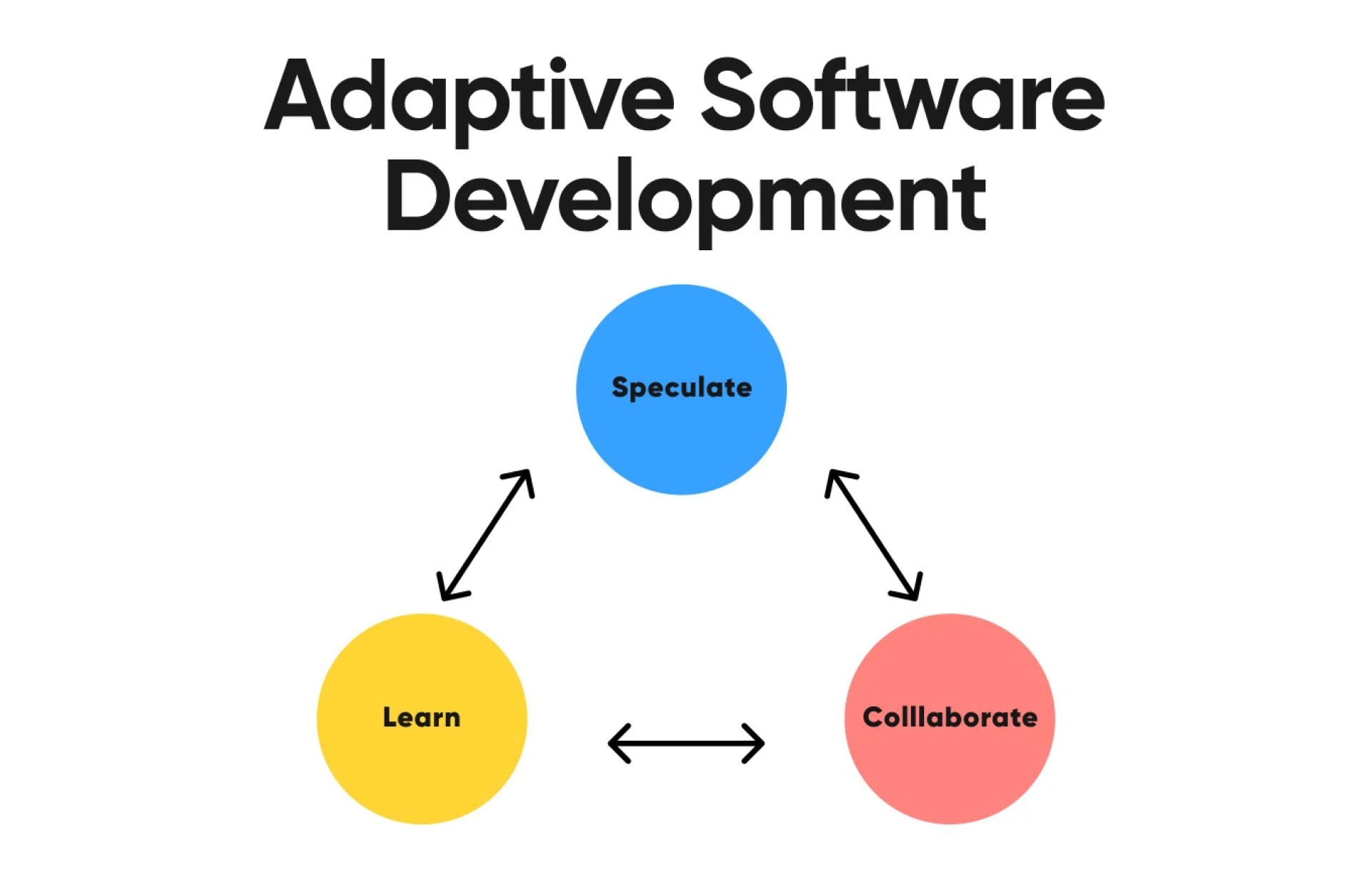

In the fast-changing world of software engineering, traditional development methods can have a hard time keeping up with shifting requirements.
Adaptive Software Development (ASD) provides a flexible and responsive approach that fits well with Agile principles.
Here, we'll look at the main benefits of ASD for Agile teams and why it's become a popular method in software development.
Top Benefits of Adaptive Software Development:
1. Enhanced Flexibility and Adaptability
One of the standout benefits of Adaptive Software Development is its inherent flexibility. Unlike traditional models that follow a rigid plan, ASD allows for continuous adjustments throughout the development process.
Agile teams can respond swiftly to changes in client requirements, market conditions, or technological advancements without disrupting the overall workflow. This adaptability ensures that the final product remains relevant and meets the users' needs effectively.
2. Improved Collaboration and Communication
ASD fosters a collaborative environment where all team members, including stakeholders, actively participate in the development process. Regular meetings, such as daily stand-ups and iterative reviews, ensure that everyone is on the same page.
This constant communication helps in identifying issues early, brainstorming solutions collectively, and making informed decisions promptly. For Agile teams, this level of collaboration is crucial in maintaining momentum and ensuring a unified vision.
3. Better Risk Management
In traditional development methodologies, risks are often identified and addressed late in the project lifecycle, leading to potential delays and cost overruns. ASD, on the other hand, incorporates risk management as an ongoing activity.
By breaking down the project into smaller, manageable iterations, Agile teams can identify and mitigate risks early and continuously. This proactive approach reduces the likelihood of significant setbacks and ensures a smoother development process.
4. Increased Customer Satisfaction
Customer feedback is a cornerstone of Adaptive Software Development. By involving clients throughout the development process and delivering working software in short cycles, Agile teams can gather valuable input and make necessary adjustments promptly.
This iterative feedback loop ensures that the final product aligns closely with customer expectations, leading to higher satisfaction and a better end-user experience.
5. Faster Time-to-Market
In today's fast-paced market, the ability to deliver software quickly is a competitive advantage. ASD's iterative development and continuous delivery model enable Agile teams to release functional software increments frequently.
This approach not only accelerates the time-to-market but also allows for early user testing and feedback. As a result, teams can refine and enhance the product iteratively, ensuring it meets market demands effectively.
6. Encourages Innovation and Continuous Improvement
Adaptive Software Development thrives on the principles of learning and continuous improvement. Agile teams are encouraged to experiment, explore new ideas, and learn from each iteration.
This culture of innovation fosters creative problem-solving and drives teams to constantly seek better ways to achieve their goals. Over time, this leads to the development of high-quality, cutting-edge software solutions.
7. Greater Transparency and Accountability
ASD promotes transparency and accountability within Agile teams. With regular updates, progress reports, and collaborative tools, all team members have a clear view of the project's status and their individual contributions.
This transparency builds trust among team members and stakeholders, ensuring that everyone is aligned and working towards the same objectives.
Conclusion
Adaptive software development offers a multitude of benefits for Agile teams, from enhanced flexibility and improved collaboration to better risk management and increased customer satisfaction.
By leveraging ASD, Agile teams can navigate the complexities of modern software development with greater ease and efficiency, delivering high-quality products that meet the ever-changing needs of their users. Consider to hire backend developer can further enhance the effectiveness of ASD by ensuring robust, scalable, and secure backend solutions that support dynamic and evolving software applications. As the software industry continues to evolve, the principles of ASD will undoubtedly remain a vital component of successful Agile practices.
Read Also:
How Mobile Apps Generate Profit in a Digital World?





























Sign in to leave a comment.