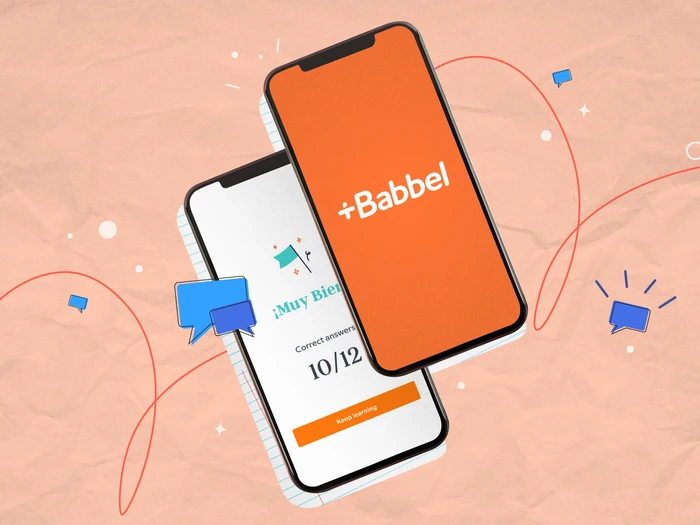

For those who are curious about how much it costs to develop a language-learning app like Babbel, the answer is not an easy one. The cost of developing a language-learning app varies greatly depending on the size and complexity of the project, as well as the technologies and features used. In this blog post, we'll precisely take a closer look at the investments required to create a Babbel-like app and the potential ROI associated with such an endeavor. So if you're considering launching a language-learning app, read on to get a better understanding of the costs and benefits involved.
Exploring the Language Learning Market
Learning a new language is a highly desirable skill in today’s global economy, and the language learning market is booming as a result. According to Statista, the language learning industry is precisely expected to reach a value of $54.8 billion by 2024, with a compound annual growth rate (CAGR) of 10.4%.
Language learning apps like Babbel are contributing significantly to this growth, as they provide an accessible and flexible way to learn a language on-the-go. Babbel, a German-based language learning platform, has over 10 million active users worldwide, offering courses in 14 languages.
Babbel's success has led to the emergence of numerous competitors, including Duolingo, Rosetta Stone, and Busuu, among others. Each of these platforms is offering their unique value propositions to attract new users.
Duolingo, for example, focuses on gamifying language learning with a range of interactive and entertaining activities. Rosetta Stone, on the other hand, is geared towards those who prefer a more structured and traditional approach to learning.
However, despite the competition, Babbel remains a prominent player in the market. The platform's extensive language courses, comprehensive learning resources, and interactive features have contributed significantly to its popularity among learners.
To succeed in this market, it is essential to create a language learning app that offers similar features and functionalities as Babbel. Doing so will require a deep understanding of the target audience, including their preferences, learning styles, and challenges.
Moreover, you must consider the latest trends in language learning, such as AI-powered chatbots, virtual and augmented reality features, and adaptive learning algorithms. Keeping abreast of these trends will help you stay competitive and relevant in the market.
Top Features of a Language Learning App like Babbel
When developing a language learning app like Babbel, it is important to ensure that it has the necessary features that users will precisely find engaging, interactive, and effective. Here are 15 features that a Babbel-like app must have:
Interactive Lessons: Interactive lessons are the backbone of a language learning app. These lessons should cover all aspects of a language, such as grammar, vocabulary, pronunciation, and culture. Speech Recognition: A feature that allows users to speak into the app and receive feedback on their pronunciation and grammar. Progress Tracking: The app should track the user's progress, giving them a sense of achievement and motivation. Gamification: The app should be fun to use, with features like leaderboards, badges, and challenges. Offline Mode: The app should allow users to download lessons and use them offline. Multiple Languages: The app should offer multiple language options, so users can learn different languages at the same time. Social Integration: The app should allow users to share their progress on social media platforms like Facebook, Twitter, and LinkedIn. Personalization: The app should provide personalized lessons, quizzes, and feedback based on the user's learning goals and progress. Adaptive Learning: The app should use machine learning and artificial intelligence to adapt to the user's learning style and pace. Translation and Dictionary: The app should have a built-in translation feature and dictionary for users to reference while learning. Audio Lessons: The app should offer audio lessons to help users improve their listening and comprehension skills. Cultural Context: The app should provide context to the language being learned by incorporating cultural elements. In-App Purchases: The app should allow users to purchase premium features like live tutors and personalized coaching. Offline Dictionary: The app should have an offline dictionary so users can reference words without using mobile data. Subscription Model: The app should have a subscription model for users who want access to premium features.By including these 15 features, a language learning app like Babbel can become a comprehensive and effective tool for language learners. However, these features also increase the development costs of the app, which must be considered when creating a budget for your project.
Factors that Affect the Cost of Developing a Language Learning App like Babbel
Developing a language learning app like Babbel requires significant investment. The cost of developing such an app can vary significantly, depending on several factors. In this section, we will explore some of the critical factors that affect the cost of developing a language learning app like Babbel.
The choice of platform has a considerable impact on the cost of developing a language learning app like Babbel. A language learning app can be developed for iOS, Android, or both platforms. Developing a native app for both iOS and Android platforms will increase the development cost. If you choose to develop a cross-platform app, the cost will be lower but may compromise on performance and user experience.The complexity of the app will determine the development time and cost. The number of languages, the number of lessons, and the inclusion of features like gamification and chatbots will significantly impact the app's development cost.The design of the app is critical in creating a visually appealing and intuitive user experience. A language learning app like Babbel requires a modern and sleek design to stand out from its competitors. The cost of hiring a designer will add to the overall cost of developing the app.The technology stack chosen for the development of the app also affects the cost. The app's backend, server infrastructure, and third-party tools can increase the overall cost of developing the app.Thorough testing and quality assurance are crucial in creating a robust and reliable language learning app like Babbel. This process will add to the development cost but ensures the app's functionality and user experience are up to the mark.The timeframe for developing a language learning app like Babbel can vary. The shorter the timeframe, the higher the cost. In contrast, a more extended timeframe can help reduce development costs, but may result in an inferior product.Understanding Complete Process of Developing a Language Learning App like Babbel
The process of developing a language learning app like Babbel can be complex, and understanding each stage of the process is important to ensure the success of the app.
The first step in developing a language learning app is to identify the target audience. Knowing who the app is for and what their language learning needs are will determine the type of features that should be included. In Babbel's case, the app is geared towards beginners who are interested in learning a new language at their own pace.
The next stage is to research the competition and identify the features that make their app successful. This will help to determine what unique features can be included in the app to make it stand out from the competition.
Once the research phase is complete, the development team will create a prototype of the app, outlining the main features and the user interface. This prototype will be reviewed and modified until it is ready for testing.
The testing phase is crucial, as it helps to identify any bugs or glitches in the app. User feedback is also collected during this phase to ensure that the app is meeting the needs of its target audience.
Once the testing phase is complete, the development team will finalize the app, including adding any additional features that have been identified during the testing phase. The final product will then be launched and marketed to the target audience.
The development of a language learning app like Babbel is a long and complex process, and there are many factors that can affect the cost of development. These factors include the complexity of the features, the development team's expertise, and the amount of time required to complete the project.
While the cost of developing a language learning app like Babbel may be significant, it is important to remember that the investment can result in a successful app that can generate revenue for years to come. By understanding the complete process of developing an app like Babbel, and working with an experienced development team, the cost of development can be minimized while still producing a quality product that meets the needs of language learners.
Calculating the Costs of Developing a Language Learning App like Babbel
Developing a language learning app like Babbel requires a significant investment of time, resources, and money. In this section, we will explore the costs involved in developing an app like Babbel.
The development cost of an app like Babbel can vary greatly depending on the app's complexity, features, and functionality. It can range anywhere from $50,000 to $500,000 or even more. To determine the cost of developing your app, it's important to take into account various factors.
The platform on which you want to develop the app can significantly impact the development cost. If you choose to develop the app for iOS, the development cost can be lower compared to Android due to the variations in software and hardware.Features and functionality are crucial in determining the development cost. A basic language learning app may cost less, but adding advanced features such as speech recognition, gamification, progress tracking, and certification will increase the cost.The design and user interface (UI/UX) of your app play an important role in determining the cost. A more complex UI/UX design will cost more, as it will require more time and resources to develop.The content of your app also plays an important role in determining the cost. To cater to a global audience, the app needs to be localized, which involves translating content into multiple languages. Localizing your app can increase the cost.The development team you choose can also impact the cost of developing the app. Hiring experienced developers may cost more, but they will ensure the app is developed to the highest standards.Hiring a Development Team for a Language Learning App like Babbel
Now that you have a better understanding of the factors that affect the cost of developing a language learning app like Babbel, it's time to talk about hiring a development team. Developing a high-quality language learning app requires expertise in different areas, including design, programming, and marketing.
Hiring the top iPhone app developers in India is crucial for the success of your language learning app. FThe team you hire should have experience in developing similar apps and have the necessary technical skills to deliver a polished and functional product.
Here are some tips for hiring the right development team for your language learning app like Babbel:
Look for a team that has experience in developing language learning appsIt's important to hire a team that has experience in developing language learning apps. They should understand the nuances of teaching a language and how to create an engaging user experience.
Hire a team with strong technical skillsThe development team should have strong technical skills in areas like programming, user interface design, and app optimization. They should also have experience with the programming languages and platforms that you plan to use.
Look for a team that is responsive and communicates wellYou want to work with a development team that is responsive to your needs and communicates well throughout the development process. This will ensure that the project stays on track and that any issues are addressed promptly.
Consider the cost of hiring a development teamThe cost of hiring a dedicated development team can vary greatly depending on their level of experience and the scope of the project. It's important to set a budget and find a team that can work within it without compromising the quality of the final product.
Hiring the right development team is an important investment in the success of your language learning app like Babbel. Take your time to research different options and find a team that has the skills and experience needed to bring your app to life. With the right team, you can create a language learning app that helps people all over the world communicate more effectively.
Tips to Cut Costs in Developing a Language Learning App like Babbel
Developing a language learning app like Babbel requires significant investment, but there are ways to cut down on costs without compromising on quality. Here are some tips to help you save money on the development of your language learning app:
Optimize Your Development Process: Creating an effective development process can help you save a lot of money and time in the long run. Use Agile methodology to ensure a streamlined development process that meets the expectations of your users. Keep it Simple: While adding new features and functions to your app can be tempting, it can also make it more expensive to develop. Focus on developing only the essential features first, and gradually add more as your app grows in popularity. Use an Open-Source Framework: Choosing an open-source framework can significantly reduce the cost of development. These frameworks have a large community of developers and offer extensive libraries of reusable code that can help you build your app quickly and cost-effectively. Outsource Development: If you don't have the technical expertise or resources to develop your app in-house, consider outsourcing it to a development company. This will help you save time and money while getting access to a team of experienced developers who can build a high-quality app for you. Use Ready-Made Components: Many companies offer pre-built components that you can integrate into your app. These components, such as authentication systems, push notifications, and payment gateways, can save you time and money by allowing you to focus on the core functionality of your app. Test Early and Often: Testing your app early and often can help you identify and fix bugs before they become costly issues. This can save you a lot of time and money in the long run by ensuring that your app is reliable and user-friendly.Conclusion
Developing a language learning app like Babbel is a complex and expensive process. From researching the market to hiring mobile app developers, the costs can quickly add up. However, with careful planning and cost-cutting measures, it is possible to create a successful app without breaking the bank.
When it comes to hiring Android app developers, India has become a hub for affordable and talented developers. By outsourcing the development to India, you can save on costs while still receiving high-quality work. However, it's important to do your research and find a reliable and experienced team.
Overall, investing in a language learning app can have significant benefits in today's globalized world. By understanding the costs involved, you can make informed decisions and take steps towards creating a successful language learning app. With a clear understanding of the market, features, and development process, you can ensure that your app stands out from the competition and helps users reach their language learning goals.
FAQs
How much does it cost to develop a language learning app like Babbel?The cost of developing a language learning app like Babbel can vary greatly depending on factors such as the app's complexity, features, platform, design, and development team. It can range from $50,000 to $500,000 or more. It's important to consider these factors and create a budget that aligns with your specific project requirements.
What are the essential features that a Babbel-like app should have?Some essential features that a Babbel-like app should have include interactive lessons, speech recognition, progress tracking, gamification, offline mode, multiple languages, social integration, personalization, adaptive learning, translation and dictionary, audio lessons, cultural context, in-app purchases, offline dictionary, and a subscription model. These features contribute to the app's effectiveness and engagement for language learners.
How can I cut costs in developing a language learning app like Babbel?To cut costs in developing a language learning app, you can optimize your development process, keep the app's features simple, use open-source frameworks, outsource development to a reliable company, use ready-made components, and conduct thorough testing early and often. These cost-cutting measures can help you save money without compromising the quality of your app.
What factors affect the cost of developing a language learning app like Babbel?Factors that affect the cost of developing a language learning app like Babbel include the platform (iOS, Android, or both), the complexity of the app's features, design and UI/UX, technology stack, testing and quality assurance, and the timeframe for development. Each of these factors contributes to the overall development cost.
Why is it important to hire a development team with experience in language learning apps?Hiring a development team with experience in language learning apps is crucial because they understand the nuances of teaching a language and creating an engaging user experience. They have the necessary expertise to develop an effective and successful app that meets the needs of language learners.
What is the role of content and localization in developing a language learning app?The content of a language learning app is important as it provides the learning material for users. To cater to a global audience, localization is necessary, which involves translating the content into multiple languages. Content and localization contribute to the effectiveness and user-friendliness of the app.



















Sign in to leave a comment.